Philippine Peso Weakens to Historic Levels
The US dollar has strengthened significantly against the Philippine peso, with the USD/PHP pair reaching levels near its all-time high. The exchange rate recently traded at approximately 60.65, approaching the record level of 60.75. This movement reflects sustained pressure on the Philippine currency as the nation's economy contends with significant external challenges.
Economic Headwinds Intensify for the Philippines
A primary factor behind the peso's depreciation is a severe fuel crisis stemming from geopolitical tensions affecting oil supplies. The Philippines, a major importer of oil and gas from the Middle East, has seen gasoline prices surge, with reports indicating prices reaching around 12 pesos per liter. This has prompted the government to declare a state of emergency, with numerous fuel stations reportedly closing.
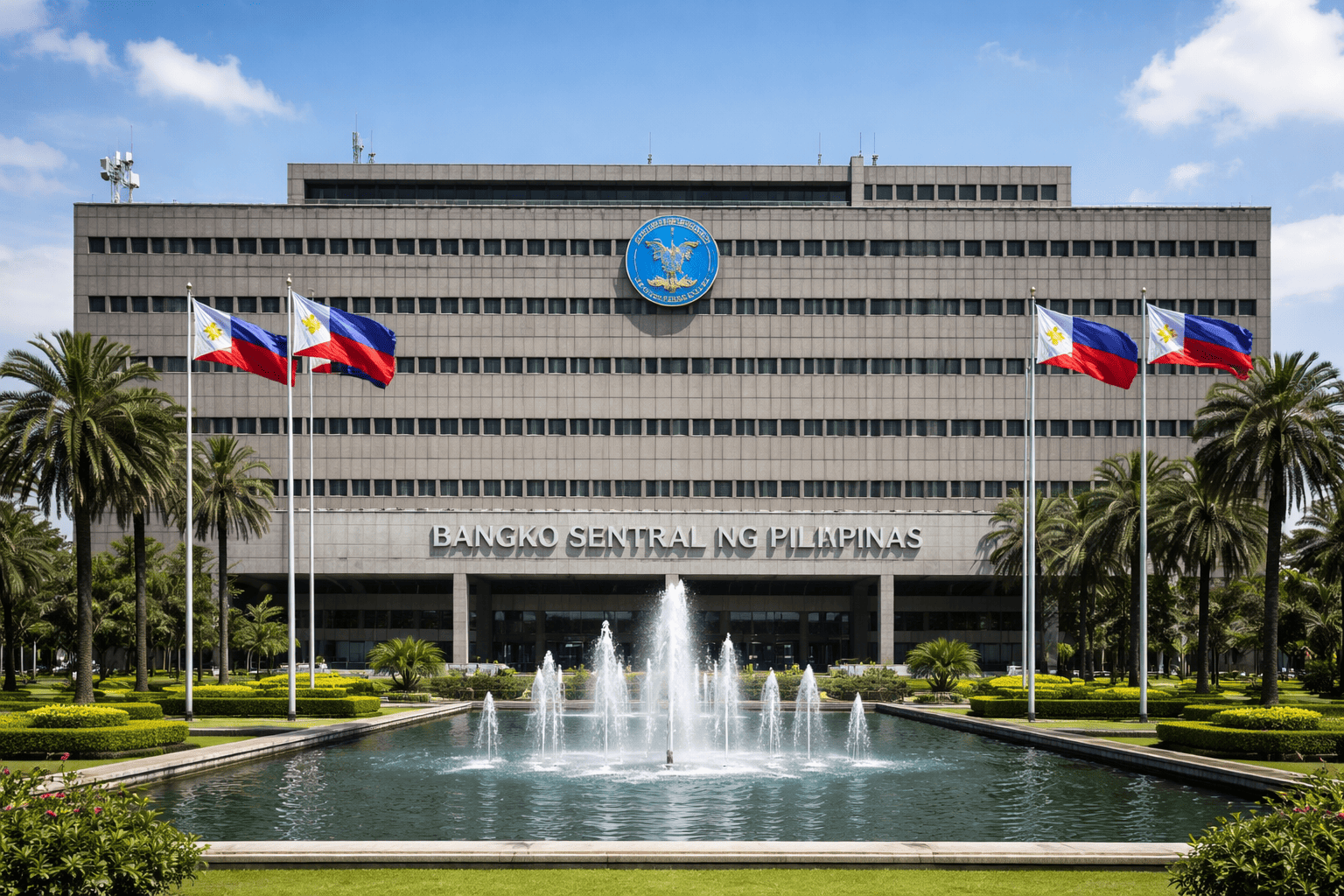
The resulting spike in energy costs is fueling inflationary pressures. The nation's central bank has revised its average inflation forecast for the year upward to 5.1%, significantly above its target range of 2% to 4%. The headline Consumer Price Index (CPI) is projected to rise to between 3.1% and 3.9% in the near term, which would mark the highest level in recent years. In response to these price pressures, analysts suggest the Bangko Sentral ng Pilipinas (BSP) may consider tightening monetary policy, potentially raising interest rates to stabilize the currency and curb inflation, though such a move could also impact economic growth.
Diverging Central Bank Policies: Fed Easing on the Horizon
While the Philippine central bank may lean toward a hawkish stance, signals from the United States Federal Reserve point in the opposite direction. Market participants are increasingly pricing in the possibility of a US interest rate cut later this year, driven by concerns over the labor market outweighing persistent inflation. Bond market movements reflect this sentiment, with the yield on the 10-year Treasury note falling to around 4.33% and the 2-year yield declining to approximately 3.81%.
According to some prediction markets, the probability of at least one Fed rate cut in 2024 has increased. However, US inflation remains elevated, with average gasoline prices reported near $4 per gallon and diesel prices higher. The Organisation for Economic Co-operation and Development (OECD) has warned that US inflation could exceed 4.2% this year if energy prices continue to climb, creating a complex policy environment for the Fed.
Technical Outlook for the USD/PHP Pair
From a technical analysis perspective, the USD/PHP pair shows a strong bullish trend on weekly charts. The exchange rate has moved decisively above key resistance levels, including the previous high near 59.15. It currently trades above all major moving averages, and momentum indicators like the Percentage Price Oscillator (PPO) are trending upward, suggesting continued buying pressure.
This technical setup indicates the potential for further appreciation toward the next significant resistance level near 63.00. However, a common market pattern following such a breakout is a retest of the former resistance level, now acting as support, around 59.15. A successful hold at that level could reinforce the bullish trend and pave the way for additional gains.
The peso's trajectory will be closely tied to developments in the domestic fuel situation, the central bank's policy response, and broader global risk sentiment. For context on how other emerging market currencies are navigating volatility, see our analysis on the Indian rupee's recent rebound. Furthermore, shifting global risk appetite, as seen in record highs for global equities, can influence capital flows into and out of emerging markets like the Philippines.
This article is for informational purposes only and does not constitute financial advice.