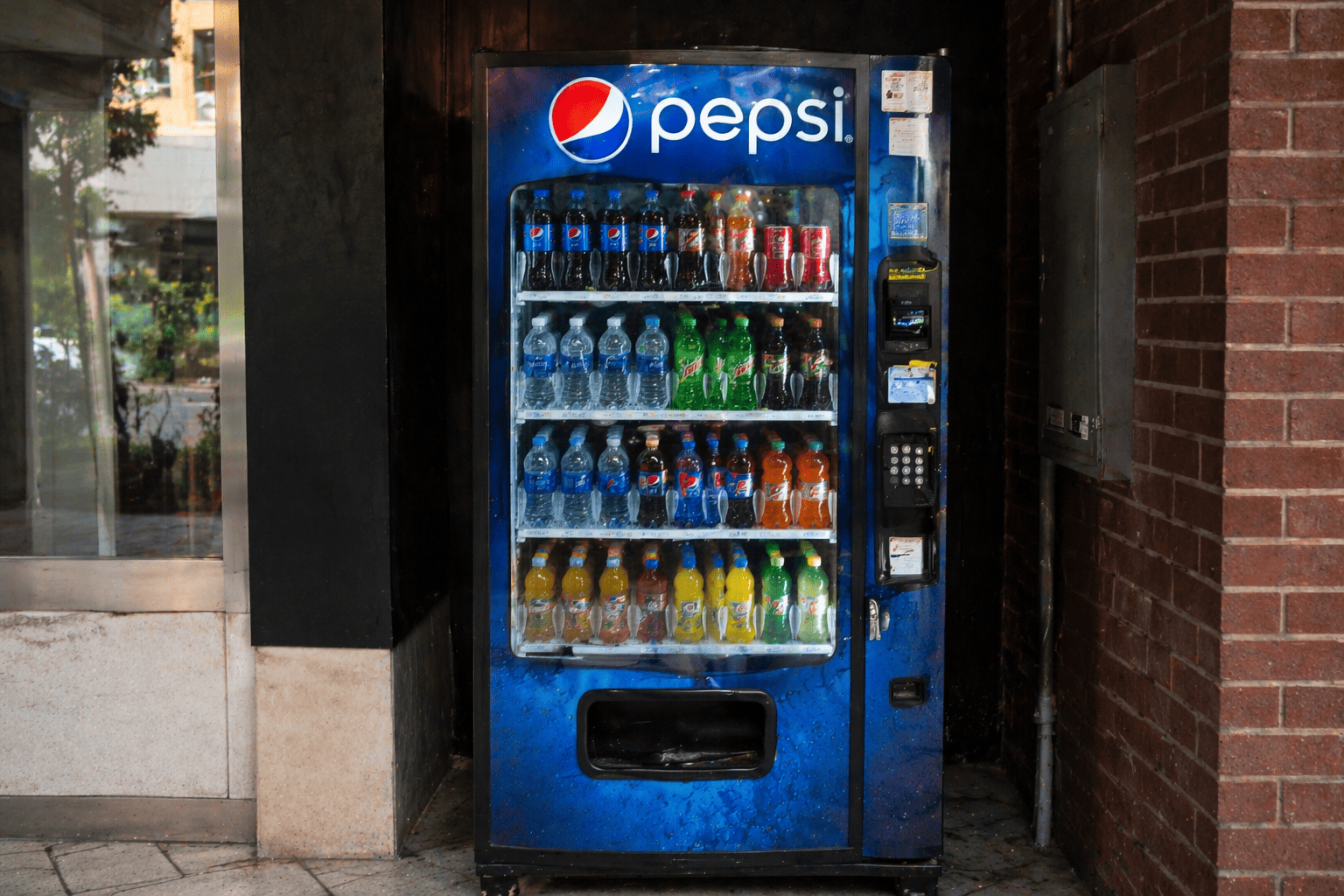
PepsiCo delivered stronger-than-expected first-quarter results, signaling early traction in its efforts to revive underperforming snack categories despite a volatile macroeconomic backdrop. The food and beverage giant reported net income of $2.33 billion, or $1.70 per share, compared with $1.83 billion, or $1.33 per share, in the same period last year.
Adjusted earnings came in at $1.61 per share, surpassing the FactSet consensus estimate of $1.54. Revenue climbed 8.5% year over year to $19.44 billion, also topping Wall Street forecasts of $18.95 billion. On an organic basis, revenue increased 2.6%.

Shares edged up about 1% in premarket trading following the release, reflecting cautious optimism among investors.
Snack Turnaround Gains Traction
PepsiCo has been working to reinvigorate demand in its convenient foods segment through a combination of pricing adjustments, product innovation, and brand refreshes. The company cut prices on select items and overhauled major brands such as Lay’s and Gatorade to better align with shifting consumer preferences.
CEO Ramon Laguarta said these measures are beginning to yield results. “We are pleased with our first-quarter results, which featured an acceleration in both net revenue and organic revenue growth with a notable improvement in convenient foods organic volume,” he noted. He added that performance improvements were visible across geographies, with international markets remaining resilient and North America showing steady progress.
Innovation and Brand Refresh Drive Growth
A key pillar of PepsiCo’s strategy is tapping into evolving consumer demand for products with higher protein and fiber content. New offerings include Doritos Protein, Good Warrior beef sticks, Smartfood Fiberpop, and SunChips fiber, as the company expands its presence in functional and health-focused categories.
Laguarta said PepsiCo expects to broaden distribution of these products and deepen consumer engagement over the course of the year. Initiatives such as Lay’s sponsorship of the 2026 FIFA World Cup are part of efforts to strengthen brand visibility. The company is also overhauling flagship brands like Tostitos and Quaker with updated visuals, simplified ingredients, and enhanced marketing.
In beverages, PepsiCo is focusing on Gatorade, planning to simplify packaging and better communicate hydration benefits while gradually removing artificial colors from the portfolio. Damian Browne, senior vice president of R&D for PepsiCo’s U.S. beverage arm, noted that misconceptions about hydration remain widespread, emphasizing that mild to moderate dehydration can build gradually throughout the day for most people.
Outlook Maintained Amid Uncertainty
Despite the improving performance, PepsiCo acknowledged that the macroeconomic environment has become more volatile. Laguarta said the company will “focus on controlling what we can,” including continued innovation and brand investment. The company maintained its full-year outlook, expecting organic revenue growth of 2% to 4% and constant-currency earnings per share growth of 4% to 6%.
While challenges such as shifting consumer demand and cost pressures remain, the first-quarter results suggest PepsiCo’s strategy to reinvigorate key segments is beginning to gain traction. For context on broader market dynamics, see our coverage of Dow Gains 140 Points as Chip Stocks Rebound Ahead of Big Tech Earnings and JPMorgan Q2 Net Income Hits Record $21.2B on Trading Surge, Investment Banking Revival.
This article is for informational purposes only and does not constitute financial advice.