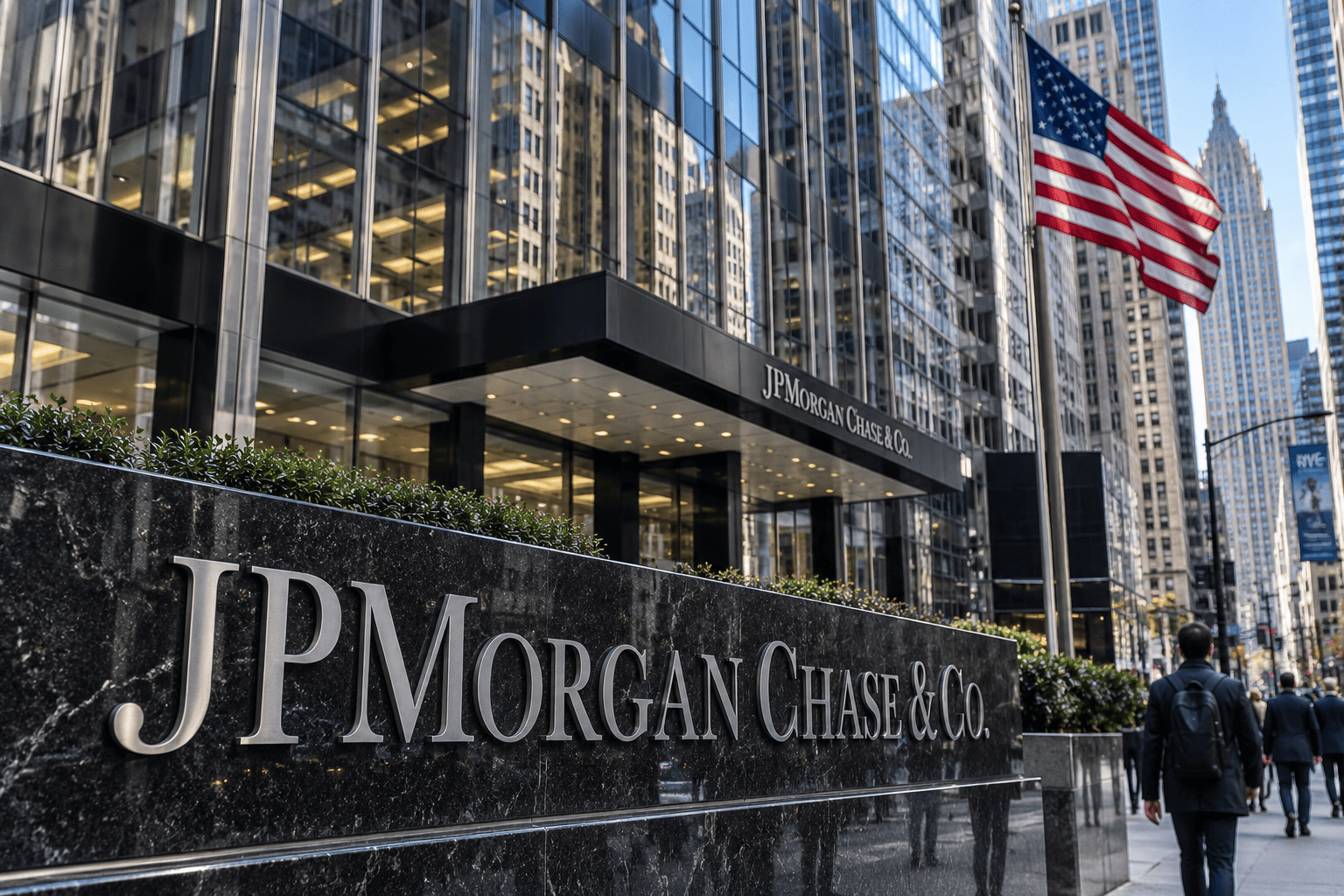
JPMorgan Chase reported a record second-quarter net income of $21.2 billion, or $7.70 per share, significantly exceeding analyst estimates as robust trading activity and a rebound in investment banking fueled revenue growth. The largest U.S. lender by assets saw total revenue climb to $58 billion, up 27% year-over-year, or 15% excluding significant items.
The earnings beat was driven by a standout performance in trading desks. Market revenue rose 35% to $12.1 billion, with equity markets nearly doubling to $6 billion—an 86% surge that far outpaced the $3.89 billion analysts had expected. Fixed-income markets generated $6.1 billion, up 6%, though commodities trading tempered gains. Heightened volatility from geopolitical tensions, including the Middle East conflict and disruptions to shipping through the Strait of Hormuz, spurred client activity across asset classes.
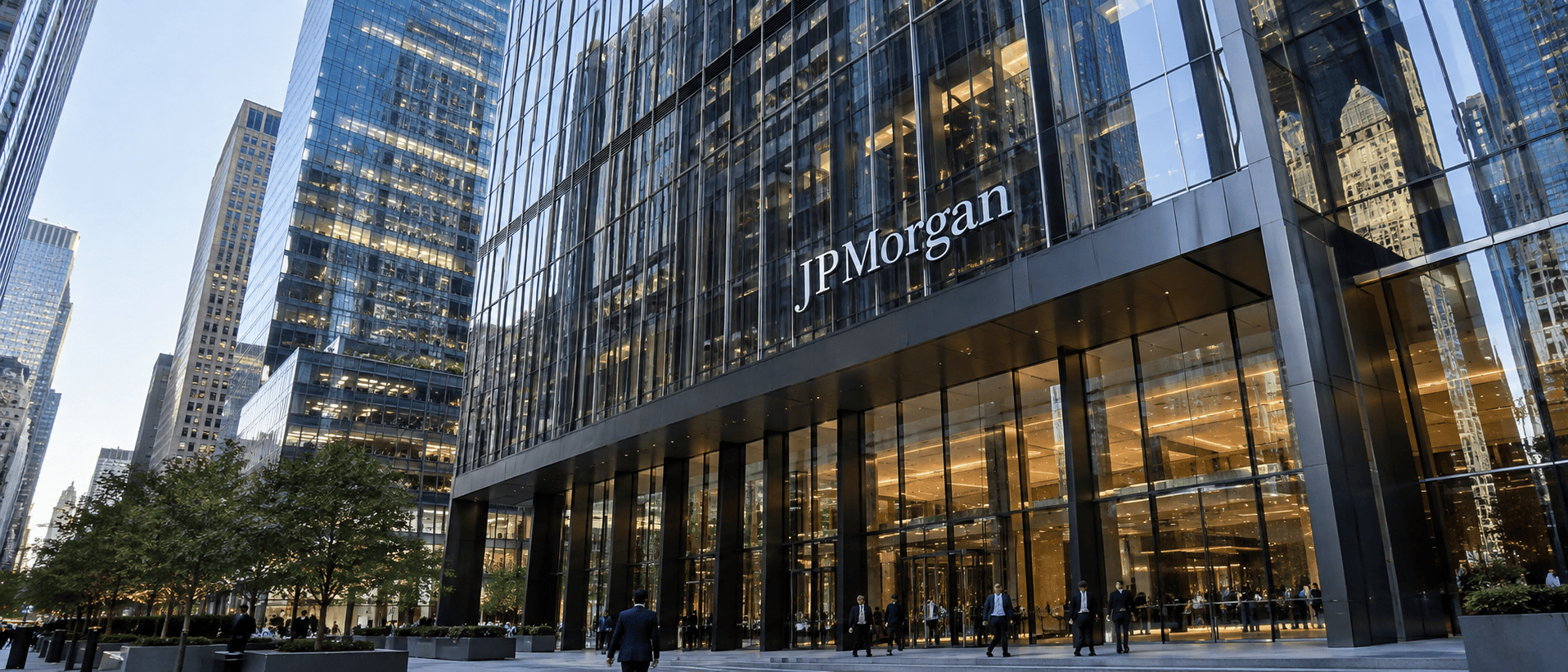
Investment banking fees also surpassed expectations, rising 30% to $3.3 billion versus the $2.82 billion consensus. The bank benefited from a global M&A revival, with announced deals exceeding $3 trillion this year, according to Dealogic. JPMorgan served as joint bookrunner on SpaceX's record-breaking public offering and advised on major transactions such as NextEra Energy's proposed $67 billion merger with Dominion Energy and Alphabet's $85 billion equity offering.
Excluding a $4.6 billion net gain from Visa shares and other items, earnings rose 13% from the prior year. The strong results contrast with some peers; for context, Bank of America's Q2 earnings showed a trading surge masking net interest income misses and lending weakness, while Citigroup's Q2 profit surged 45% on similar trading and investment banking strength.
Despite the earnings beat, JPMorgan shares fell more than 2.5% in premarket trading after the bank raised its 2026 expense forecast to $107.5 billion from $105 billion. Such moves are typical as investors digest results ahead of management commentary. CEO Jamie Dimon noted the U.S. economy's resilience, supported by AI-driven capital investment, fiscal stimulus, and regulatory efficiency, but warned of underlying risks.
"Several risks are shifting below the surface like tectonic plates, including geopolitical tensions and wars, sticky inflation, large global fiscal deficits and elevated asset prices," Dimon said. "We carefully monitor these risks and prepare the Firm for a wide range of scenarios."
The improvement in capital markets has also provided private equity and venture capital firms with more exit opportunities through public listings and strategic sales, a trend that could benefit broader market dynamics. As the earnings season unfolds, investors will watch for similar patterns across Wall Street, including BlackRock's upcoming Q2 report, which is expected to show EPS growth amid ETF inflows.
This article is for informational purposes only and does not constitute financial advice.