Micron Technology (NASDAQ: MU) shares climbed 4.2% on Monday to $914.4, building on Friday's 2.5% advance, as investors weighed the memory-chip maker's technology roadmap and its response to competitive pressures from China's ChangXin Memory Technologies (CXMT). The move suggests a possible pause in the recent pullback from levels above $1,000.
The stock had been under pressure amid broader concerns about the sustainability of artificial intelligence-related capital expenditures. However, Micron's pushback against CXMT's proposed 4F2 memory design and its progress in securing long-term supply agreements have drawn analyst attention.
Micron Dismisses China's 4F2 Memory Design
CXMT is developing a memory architecture known as 4F square (4F2), which some believe could help the Chinese firm gain market share. Micron has told analysts it rejected the format due to limitations in scaling and density compared with its preferred three-dimensional DRAM approach.
Wedbush analyst Matt Bryson said the disagreement may indicate CXMT is seeking an alternative path to overcome its manufacturing-process disadvantage. "If Micron is correct in its view, it very much suggests that China is trying to find an alternative path to bridge its process disadvantage," Bryson wrote. He added that concerns over 4F2 appear "severely overblown." Bryson maintains an Outperform rating with a $1,400 price target, based on a price-to-earnings multiple of six times his fiscal 2028 earnings estimate.
Long-Term Supply Agreements Provide Visibility
Bank of America assigned a Buy rating after meetings with Micron's senior management in New York and Boston. The discussions offered insight into memory supply through 2027 and 2028, as well as progress in high-bandwidth memory (HBM), DRAM, and NAND technologies.
Micron management said supply and capacity agreements now extend roughly five years beyond 2030, with negotiations already underway for 2031. These agreements include commitments on memory bit quantities and cash payments. Micron expects them to account for around 35% of total revenue, with a target of increasing that share to 50% by 2030. Such arrangements provide greater visibility into future demand, though they do not eliminate the broader risks facing the memory industry.
Technology Roadmap and HBM Advances
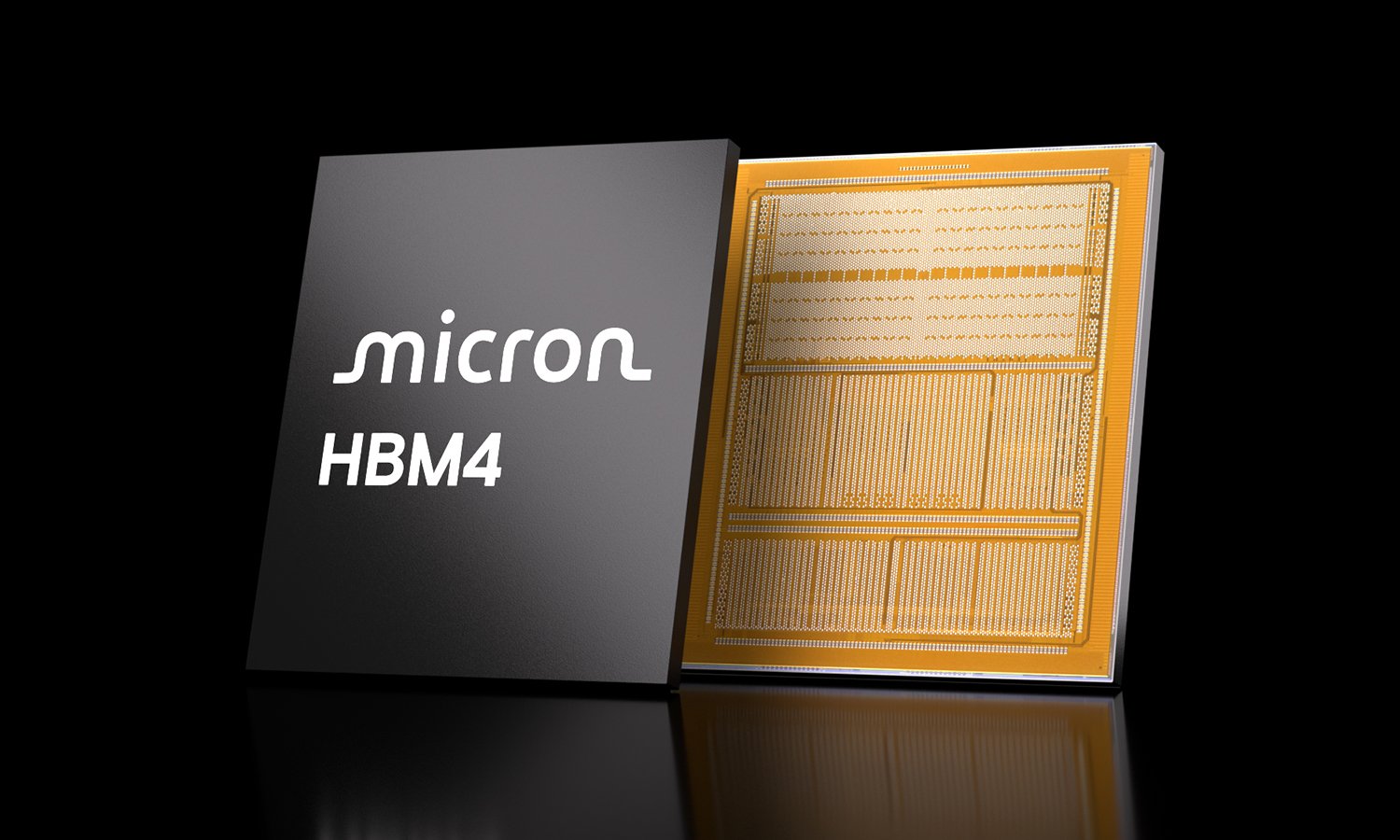
Micron outlined a technical roadmap covering HBM, DRAM, and NAND. The company said it can produce HBM stacks ranging from four-high to 16-high configurations. Its next DRAM node, known as 1-delta, is scheduled for volume production in the second half of 2027. Micron also expects its G11 NAND generation to approach 400 layers and deliver twice the bit capacity of its G9 generation by the end of 2027.
The combination of a clear technology roadmap and long-term supply agreements provides key points for investors assessing Micron's growth prospects. However, the stock remains exposed to uncertainty surrounding AI spending and competition in the memory market.
This article is for informational purposes only and does not constitute financial advice.