Geopolitical Tensions Fuel Commodity Market Volatility
Major commodity markets experienced significant movement on Thursday, driven primarily by developments in Middle Eastern geopolitics and their implications for global supply chains. The focal point remained the ongoing conflict involving the United States and Iran, which has created substantial uncertainty for energy and industrial metal flows.
Oil Markets Reverse Course on Negotiation Doubts
Crude oil prices erased early session losses to finish sharply higher. The rally was triggered by growing market skepticism regarding the potential success of diplomatic talks between the US and Iran aimed at resolving regional hostilities. The Brent crude benchmark advanced by approximately 3.5%, while West Texas Intermediate (WTI) gained over 2%. Analysts noted that the market structure, known as backwardation, indicates persistent near-term supply concerns, though the pricing curve has become less extreme than in prior weeks, suggesting some recalibration of risk.

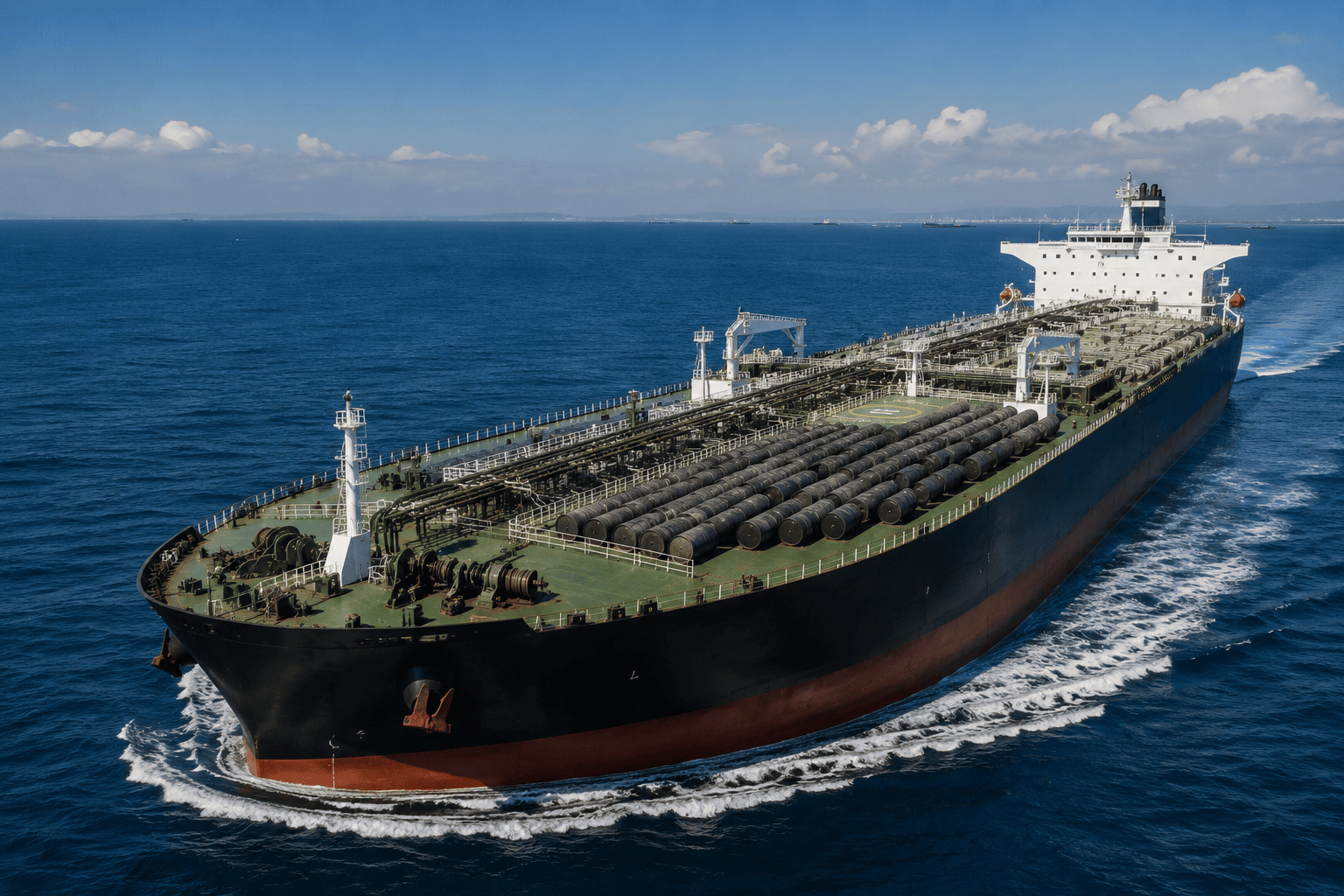
The conflict's primary impact on oil stems from disruptions around the Strait of Hormuz, a critical maritime chokepoint for global energy shipments. Estimates suggest the ongoing situation has disrupted roughly 13 million barrels per day of supply, a figure that could increase depending on naval blockades. Reports indicated Iran might permit ship passage via Omani waters if a deal is reached, building on a current ceasefire. Meanwhile, diplomatic efforts continue, with officials potentially returning to Pakistan for further discussions.
Precious Metals Hold Steady Amid Shifting Focus
Gold prices exhibited relative stability as traders balanced competing factors. The precious metal initially gained ground alongside a morning dip in energy prices but relinquished those gains when oil surged later in the day. This dynamic reflects a broader shift in market attention between inflation worries driven by energy costs and growth concerns. While higher real interest rates and a firm US dollar present headwinds, underlying demand for gold has shown resilience following recent pullbacks. Market-implied probabilities currently suggest a modest chance of a US interest rate cut before year-end.
Industrial Metals Rally on Supply Disruption Risks
The London Metal Exchange saw notable activity in base metals, with aluminum prices climbing to their highest level in over four years. The increase is directly linked to supply anxieties stemming from the Strait of Hormuz situation, which threatens the transport of key raw materials. The three-month aluminum contract rose 0.7% to trade above $3,640 per ton.
Copper prices experienced a more volatile session, briefly touching a one-month high before paring gains to trade flat. The initial strength was supported by hopes for renewed US-Iran negotiations, which would ease cost pressures from energy and support economic growth expectations. Analysts describe the copper market as highly sensitive to geopolitical headlines, with performance likely to strengthen on any de-escalation due to anticipated monetary policy shifts and improved risk appetite.
The commodity market movements underscore the interconnected nature of geopolitical risk and global trade. For further analysis on energy market impacts, see our report on WTI crude's recent surge. Broader market reactions to ceasefire developments are detailed in our coverage of the Dow's significant rally. Additionally, the effect of rising commodity costs on trade is explored in this analysis of export strain.
This article is for informational purposes only and does not constitute financial advice.