Reliance Jio Platforms made a strong market debut on Wednesday, with shares climbing 21% in Mumbai trading. The listing valued India's largest telecom and digital services provider at approximately $131.5 billion, positioning it as the country's second-largest company by market capitalization.
The initial public offering, which raised ₹302 billion ($3.2 billion), was India's largest-ever. The company offered 270 million shares at ₹1,119 apiece, and the issue saw substantial demand, with subscriptions exceeding 22 times the shares available. Qualified institutional buyers subscribed 70.55 times, while retail investors subscribed 2.72 times.

According to Akash Ambani, managing director of Jio Platforms, the IPO was fully subscribed within 95 minutes of opening on October 21. Including anchor investors, the offering attracted demand worth $78 billion and nearly 1.39 crore applications. Global funds such as BlackRock, Capital Group, and Singapore's GIC participated in the anchor book.
Brokerages Initiate Coverage with Buy Ratings
Following the debut, several brokerages initiated coverage with positive outlooks. Nomura set a Buy rating with a price target of ₹1,340, implying nearly 20% upside from the IPO price. The brokerage expects steady tariff hikes and growth in home broadband to strengthen revenue prospects, identifying home broadband as Jio's second growth engine. Nomura also anticipates a sharp improvement in free cash flow as capital expenditure intensity declines, with most 5G-related investments already completed.
Motilal Oswal Financial Services also initiated coverage with a Buy rating and a target price of ₹1,350 per share, suggesting about 21% upside. The domestic brokerage forecasts tariff hikes, subscriber additions, home broadband expansion, and growth in digital services to drive earnings over the next three years.
However, Jio's shares were last trading at ₹1,357, above both brokerages' target prices, indicating that investors are pricing in significant optimism. Mahesh M Ojha, vice president of research and business development at Kantilal Chhaganlal Securities, commented: "The firm's robust compounding potential justifies a definitive buy-and-hold strategy for long-term wealth creation."
Competition and Valuation Risks Remain
Despite the positive sentiment, analysts cautioned that listing gains do not guarantee sustained performance. "The IPO price offered a valuation entry point; the listing price reflects a much greater degree of optimism," said Aishvarya Dadheech, founder of Fident Asset Management.
Motilal Oswal flagged intense competition, the capital-intensive nature of telecom operations, technological disruption, and regulatory uncertainty as potential risks. Jio's dependence on Reliance Industries group entities and material related-party transactions are also factors investors are monitoring. Delays in tariff increases, stronger competitive pressure, higher-than-expected capital expenditure, or slower growth in digital platforms could weigh on earnings and valuations.
Seema Srivastava, senior research analyst at SMC Global Securities, also cautioned about valuation risks, competition from Bharti Airtel, substantial capital expenditure requirements, and uncertainty over how quickly newer businesses can be monetised. "Strong IPO demand and expectations of listing gains do not guarantee a sustained post-listing rally," she noted.
Focus Shifts to Earnings and Cash Generation
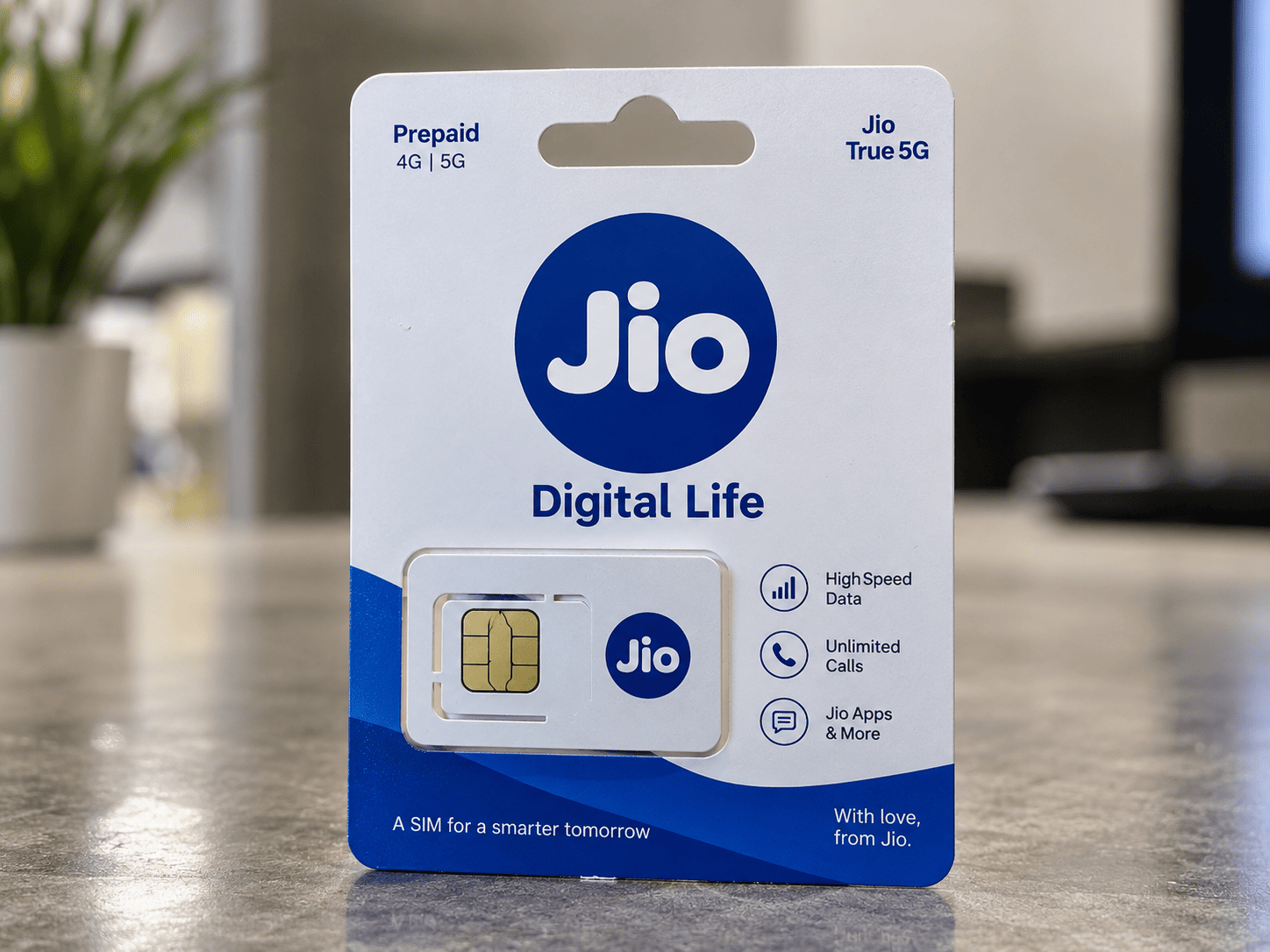
Jio's telecom business serves more than 530 million customers, making it the world's second-largest mobile operator by subscriber numbers within a single country, behind China Mobile. The company is backed by Meta Platforms and Alphabet's Google, reflecting its significance in India's digital economy.
The listing marks a milestone in Mukesh Ambani's efforts to expand Reliance beyond its traditional energy businesses and strengthen its presence in technology and consumer-facing services. Investors will now assess whether the company's earnings growth and cash generation can justify the premium established during its debut.
This article is for informational purposes only and does not constitute financial advice.