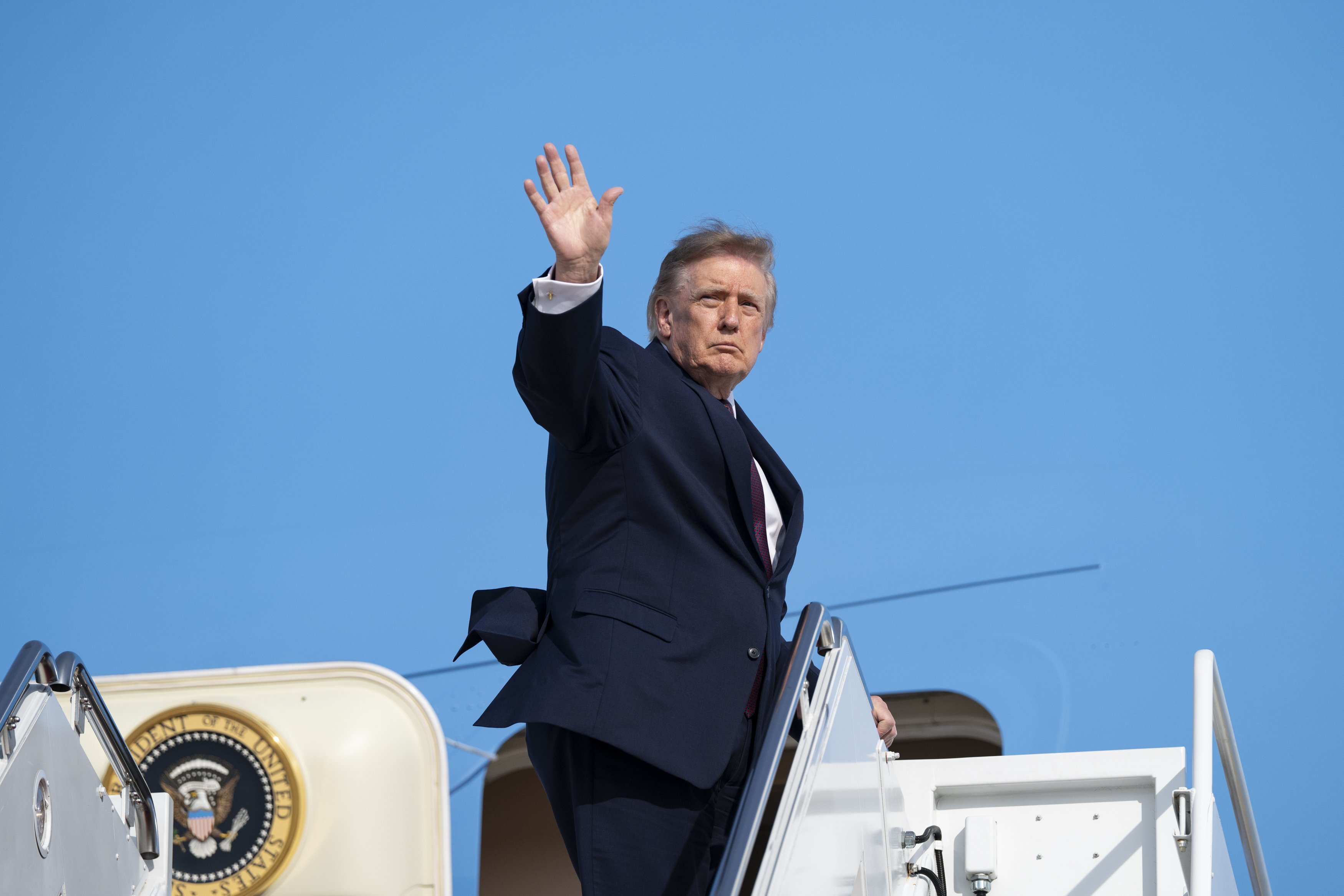
Crude oil prices pulled back from their intraday peaks on Thursday after President Donald Trump stated that the United States would not launch an attack on Iran ahead of the November 3 midterm elections. The remarks tempered some of the geopolitical premium that had driven Brent crude to approach $106 a barrel earlier in the session.
Brent crude, the international benchmark, slipped to around $103.50 after Trump's comments, while West Texas Intermediate (WTI) crude eased from roughly $93 to near $91. Despite the retreat, both benchmarks remained significantly higher on the day, with WTI up about 3% and Brent trading more than 3% above Wednesday's close.

Trump's Statement and Market Reaction
In a post on his Truth Social platform, Trump said his administration was engaged in productive discussions with Iran and ruled out any offensive action before the midterm elections. He also reiterated that the US blockade in the Strait of Hormuz was effective and would continue, even as he clarified there were no plans to attack Iran.
The comments came after earlier reports suggested the administration was preparing to resume combat operations in Iran, which had pushed crude prices higher. The clarification eased immediate fears of further escalation, prompting a modest sell-off in oil futures.
Geopolitical Risks and Supply Concerns
Despite the pullback, geopolitical risk remains a dominant driver in the oil market. Attacks on tankers transiting the Strait of Hormuz have reached their highest weekly level since the conflict began, raising concerns about the security of critical shipping lanes in the region. Commodity-vessel traffic through Hormuz has also fallen to its lowest in more than two months.
Beyond the Middle East, supply disruptions closer to home have added to upward pressure. Shell and Chevron curtailed offshore operations as Hurricane Isaias approached the US Gulf Coast, with producers shutting in about 25% of Gulf oil output and more than 16% of natural-gas production by Wednesday.
Inflation and Economic Impact
The elevated energy prices have contributed to inflationary pressures, with diesel prices crossing $6 per gallon for the first time. The inflation impact of higher oil costs has become a key issue ahead of the November elections, as consumers and businesses feel the pinch at the pump and in heating bills.
While oil supplies have stabilized somewhat, analysts question the durability of that stability given the ongoing tensions and storm-related outages. The Houthi-Saudi Arabia conflict also continues to pose a supply risk, keeping a floor under prices.
As the session progressed, the market digested Trump's comments alongside the broader supply picture. The retreat from the day's highs suggests that traders are weighing the reduced likelihood of an immediate strike against the persistent threats to global oil infrastructure.
This article is for informational purposes only and does not constitute financial advice.

