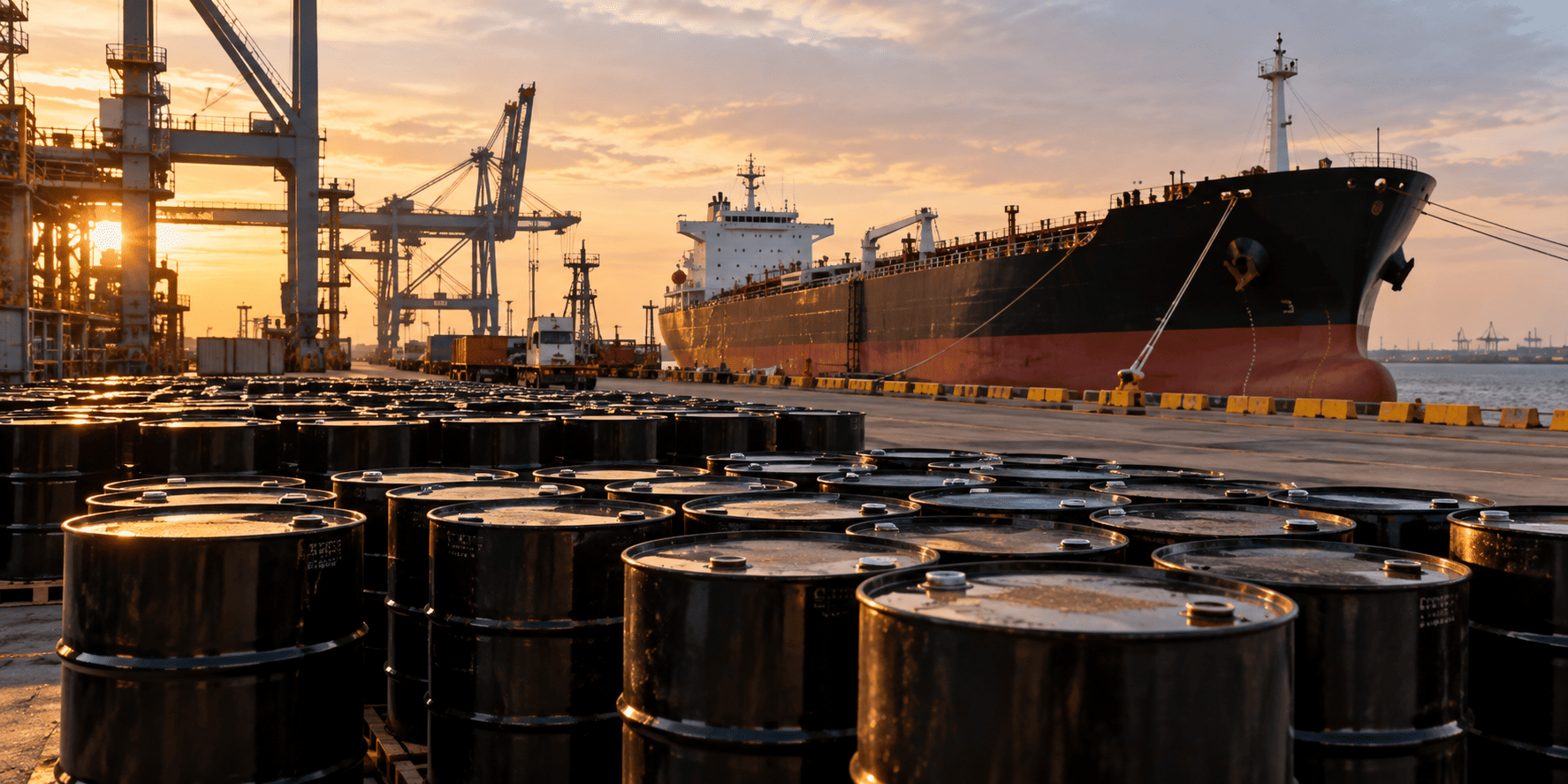
Oil prices broke above $90 a barrel on Thursday as renewed military exchanges between the United States and Iran stoked fresh concerns about supply disruptions in the Middle East. Brent crude rose 1.2% to $91.80, while West Texas Intermediate advanced to $84.85 after US strikes on Iranian targets and retaliatory missile fire.
Yet the most significant threat to global oil markets may not be the Strait of Hormuz, which remains open for now, but the Bab el-Mandeb strait at the southern end of the Red Sea. That chokepoint has become a growing danger zone as Yemen's Houthi rebels intensify attacks on Saudi tankers and energy infrastructure, declare blockades, and even consider charging commercial vessels for passage.
The market's escape route becomes another danger zone
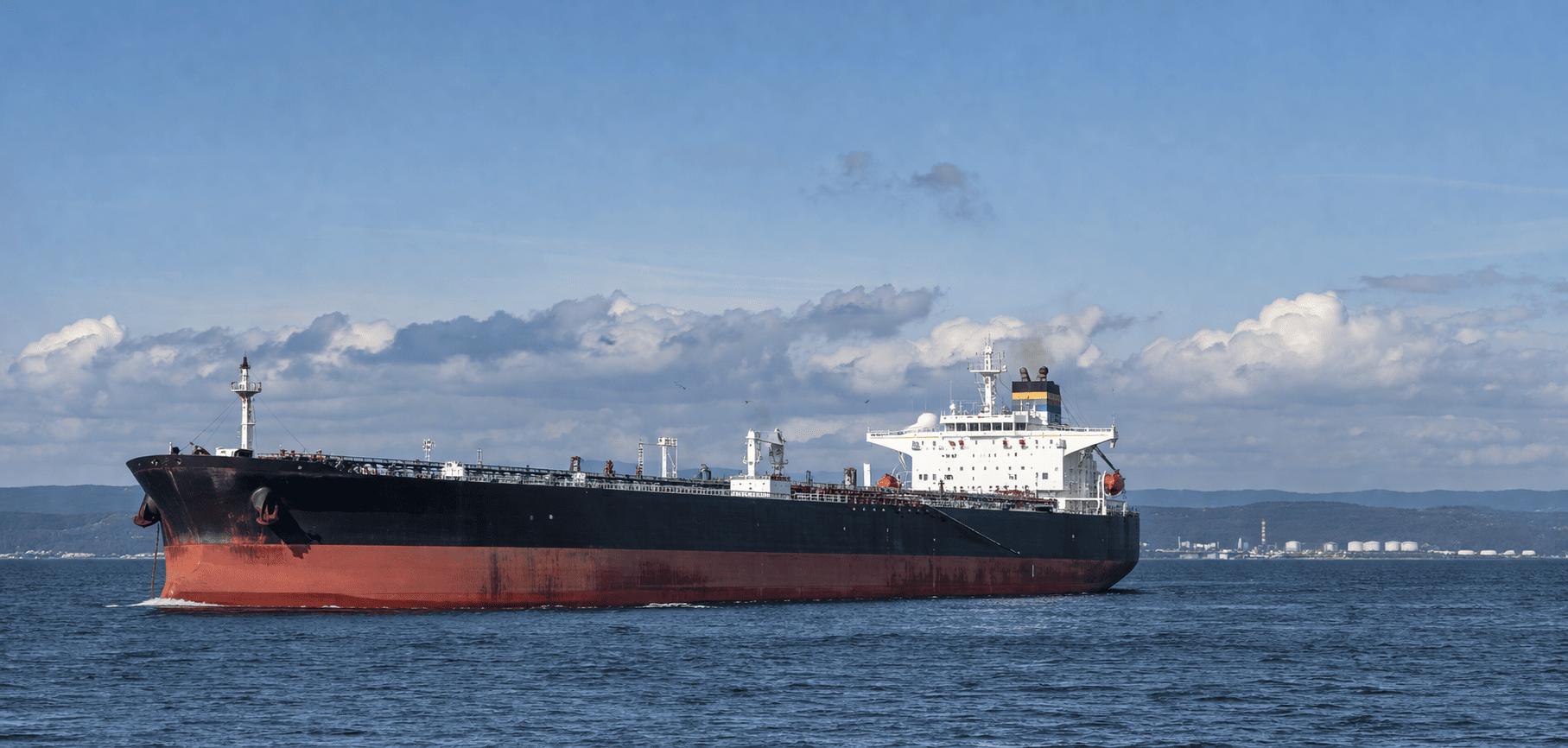
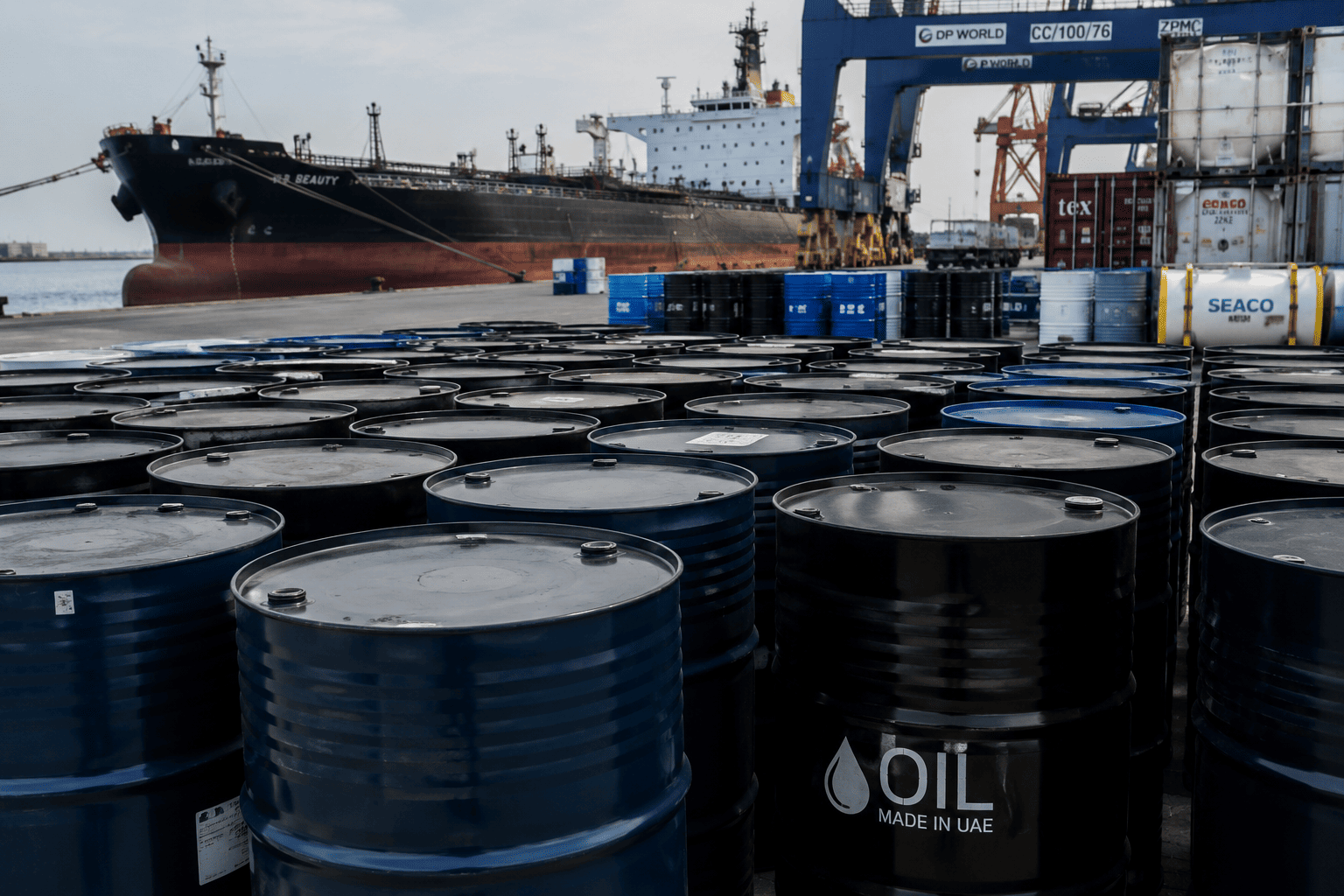
Saudi Arabia has increasingly diverted crude via pipelines to the Red Sea coast to reduce reliance on Hormuz. But those barrels must then transit Bab el-Mandeb, pass through the Suez Canal, or take the longer route around Africa. Each option is under pressure. Traffic has already declined as operators reassess security and insurance costs.
"It just gets harder and harder," Qamar Energy chief executive Robin Mills told Vox. He noted that Saudi Arabia could likely move required volumes through Suez, but capacity is tight and an expanded Houthi campaign would create a larger problem. Washington Institute maritime specialist Noam Raydan offered a starker warning: "We know that they can sink ships."
The hidden threat is that Bab el-Mandeb does not need to close completely to reduce effective export capacity. Higher insurance costs, hesitant crews, and longer voyages can remove the flexibility that has restrained oil prices. This dynamic is already playing out, as operators remember earlier drone, missile, boarding, and hijacking attacks.
Falling inventories leave little room for error
US commercial crude inventories fell by 7.2 million barrels to 404.5 million in the week ended July 24, their lowest level since 2018 and about 7% below the five-year seasonal average. Refineries operated at 97.2% of capacity, leaving limited scope to raise processing if another disruption creates shortages. Gasoline stocks were around 6% below normal, while the Strategic Petroleum Reserve declined further.
Commodity Context founder Rory Johnston told the Financial Times that crude and petrol inventories were at "precariously low" levels. Falling stocks remove the cushion available when shipments arrive late or refineries struggle to secure suitable barrels. The next shock could therefore appear through petrol, diesel, or aviation fuel rather than crude alone.
Duration may matter more than the next strike
The next move will depend heavily on how long disruption persists. JPMorgan analysts estimated that each additional month of lost supply could add about $7 to $8 a barrel to Brent, potentially lifting its monthly average to roughly $114 after three months. A brief interruption may keep Brent around the low-to-mid $90s. Prolonged restrictions, damage to Gulf infrastructure, or a wider Houthi campaign could push prices materially higher.
Conversely, successful diplomacy and improving tanker flows could strip away the renewed risk premium. The US Energy Information Administration expects Middle East production and trade to recover gradually, inventories to begin rebuilding in the fourth quarter, and Brent to average $70 then.
For context, the recent Fed rate decision and Trump's Iran threats have already contributed to a 8% jump in oil prices. Meanwhile, broader market jitters have been amplified by oil's surge above $100 in earlier sessions. Investors should also monitor gold's reaction to hawkish Fed risks, as safe-haven assets often move inversely to risk appetite.
This article is for informational purposes only and does not constitute financial advice.