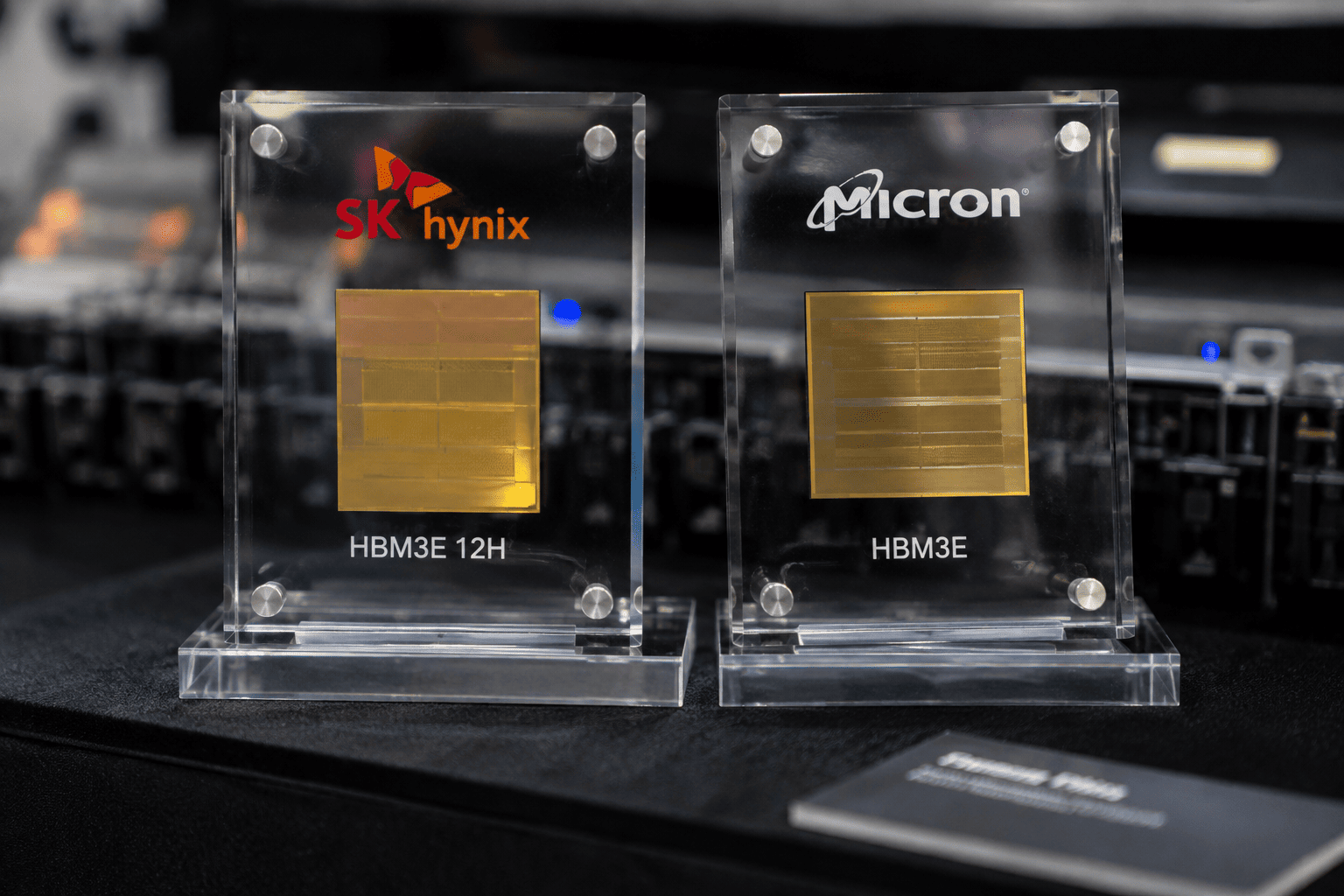
Nvidia's decision to test versions of its upcoming Rubin Ultra chip with reduced memory capacity could paradoxically increase demand for high-bandwidth memory (HBM), providing a tailwind for leading suppliers such as Micron Technology and SK Hynix.
UBS analyst Timothy Arcuri said Monday that Nvidia appears to have moved to “de-spec” its Rubin Ultra offering, a term used when certain specifications or capabilities of a chip are reduced, as reported by MarketWatch. The Information reported that Nvidia is testing different versions of the chip with lower memory capacity due to concerns over HBM availability.

At first glance, using less HBM per chip might seem negative for memory suppliers. However, Arcuri believes the change could allow Nvidia to produce more chips, potentially leading to greater overall HBM consumption in 2027 than previously expected. This comes as HBM supply remains tight and pricing for newer generations strengthens.
HBM pricing outlook strengthens
Arcuri noted that “memory suppliers are rewidening” the premium charged for HBM, prompting him to sharply raise his pricing expectations. He now expects HBM average selling prices to rise about 79% year-over-year, up from his prior estimate of 67%. The pricing strength reflects the growing memory requirements of AI accelerators and the difficulty manufacturers face in rapidly adding HBM capacity.
For Micron, stronger HBM pricing could translate into significant earnings and cash flow improvements. The company has invested heavily in expanding HBM manufacturing capacity as AI data center demand accelerates. Arcuri expects Micron's earnings per share to remain above $160 in 2029 and forecasts more than $450 billion in cumulative free cash flow through 2028. “To us, this increasingly looks like a structural reset in earnings power,” he wrote, suggesting investors may value Micron more like other high-performing chip companies rather than assigning the lower valuation typical of the cyclical memory industry.
Micron stock remains up more than 172% but is down 30% from its all-time high. The bullish outlook extends beyond HBM: contract pricing for NAND flash memory is also moving higher, according to Arcuri, driven by stronger-than-expected demand for server and storage solid-state drives, which has offset weakness in the PC market. He raised his NAND bit demand growth expectations to 23% this year and 26% in 2027.
Micron sees supply tight beyond 2027
Micron executives have also offered a bullish assessment of the supply-demand balance. Chief business officer Sumit Sadana said at the KeyBanc Technology Leadership Forum on Monday that the company expects tight memory supply to persist beyond 2027 as customer demand continues to rise. “With all of the efforts that we are doing, we still don’t have line of sight as to when the supply is going to be able to meet demand,” Sadana said, according to a FactSet transcript.
Sadana noted that memory demand during the AI era is “very different” from previous cycles because AI technology is still developing rapidly, increasing the amount of memory required while making it difficult for manufacturers to predict future demand. The HBM boom is also creating challenges elsewhere: rising HBM demand has put pressure on wafer supply for other memory products, and expanding wafer capacity is not a quick process, requiring significant investment and lengthy timelines.
That dynamic could help sustain pricing across the broader memory market if manufacturers remain unable to add capacity quickly enough. Micron's customers have so far shown little sign of retreating despite higher prices, with Sadana saying customers in the data-center business and other segments continue to seek additional memory supplies even as prices rise.
For SK Hynix, the largest HBM supplier globally and a key Nvidia partner, the implications could be particularly significant. As Nvidia's de-spec potentially leads to higher overall HBM consumption, SK Hynix stands to benefit from increased volumes and stronger pricing. Similarly, Micron's stock outlook remains a point of debate on Wall Street, but the latest developments could tilt the balance. The broader AI memory cycle continues to show resilience, with AI spending sprees from major tech players signaling sustained demand for memory suppliers.
This article is for informational purposes only and does not constitute financial advice.