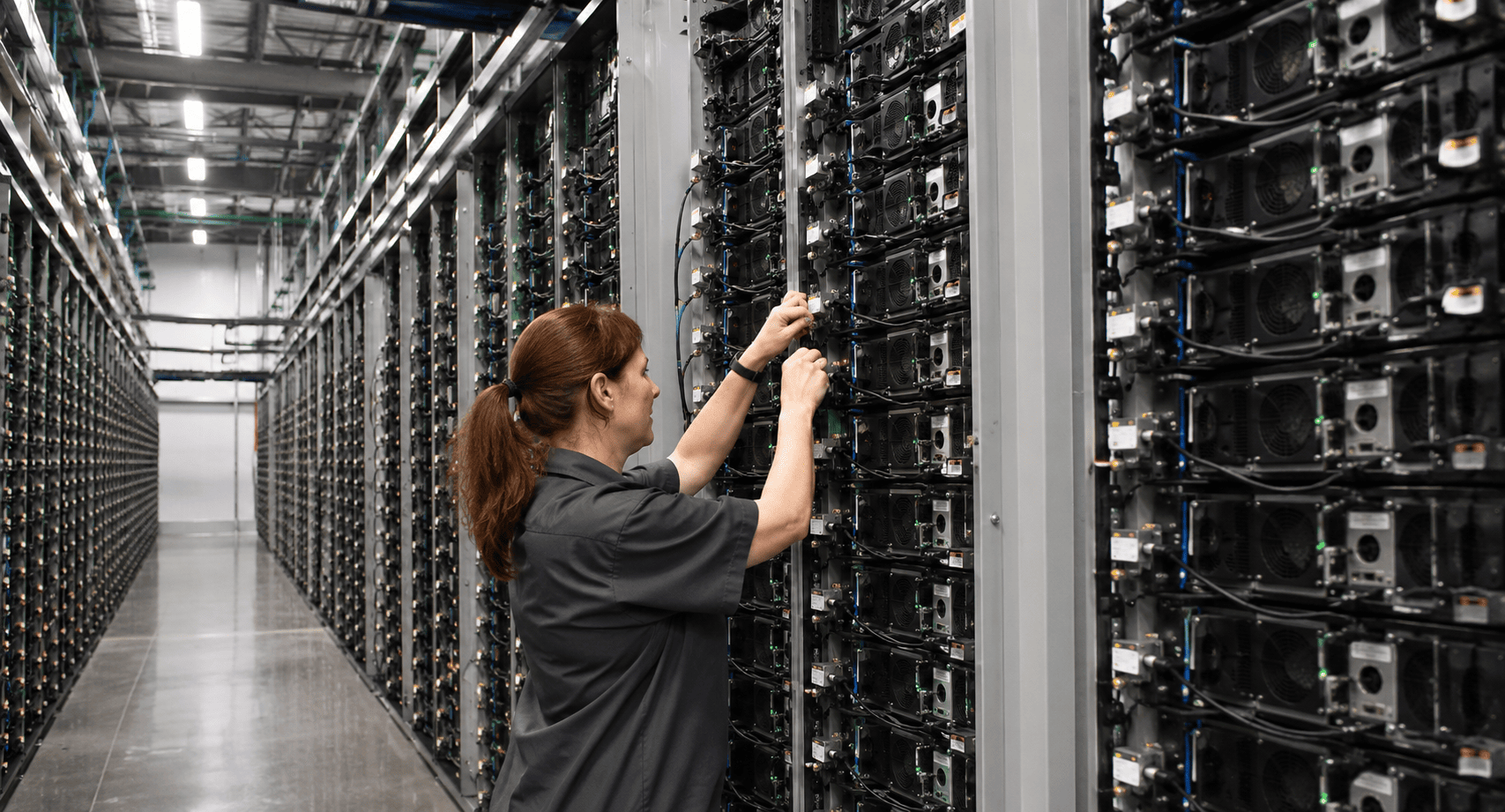
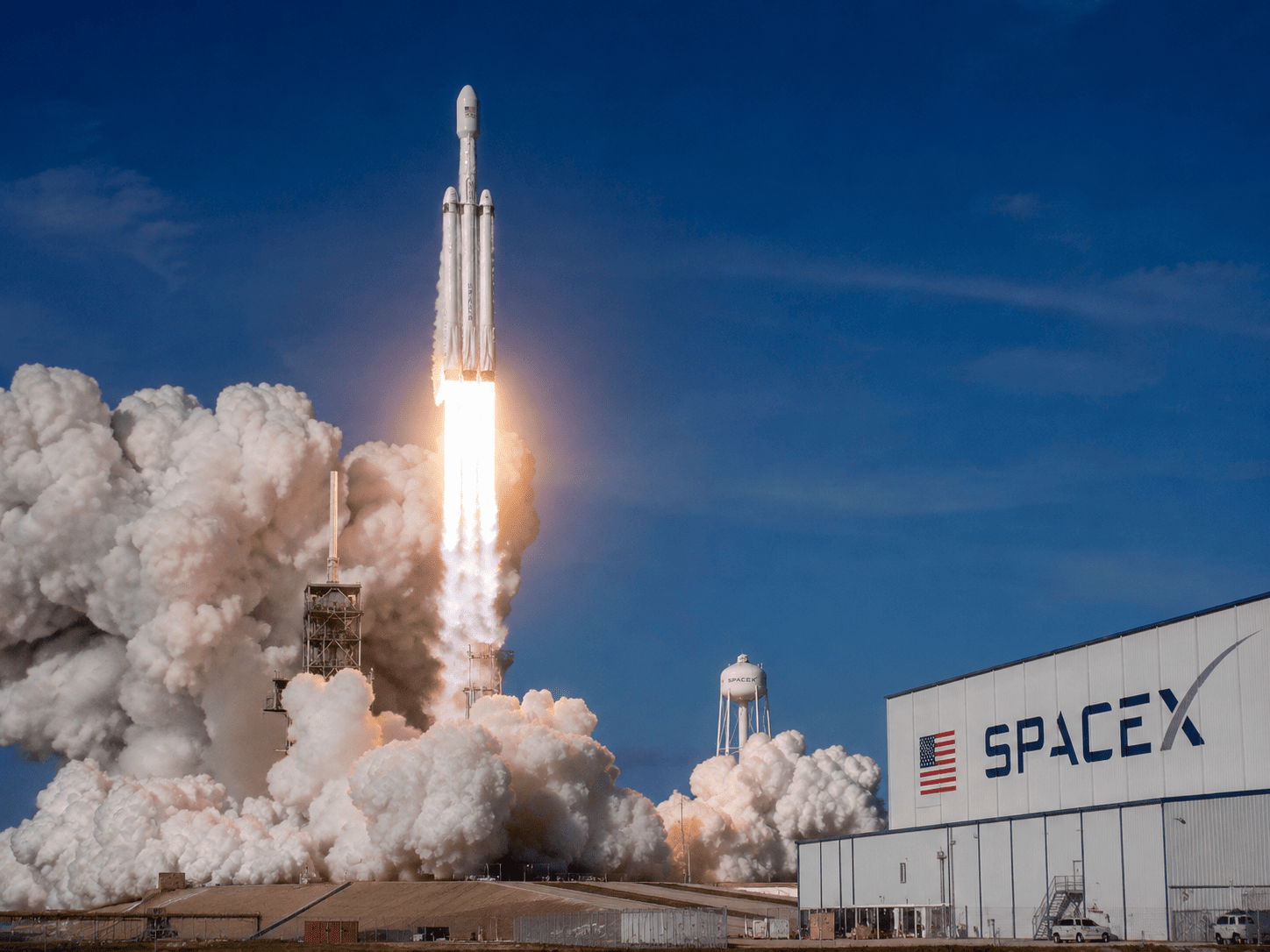
SpaceX's first earnings call as a public company sent ripples through Wall Street, with CEO Elon Musk outlining an aggressive artificial intelligence strategy that includes a $15.8 billion capital expenditure outlay and plans for orbital data centers. The call, which followed the company's Nasdaq debut, provided a clear signal that the AI infrastructure buildout is extending beyond terrestrial data centers into space.
Musk's comments on the physical and architectural constraints of high-performance computing—both on Earth and in low Earth orbit—underscored the critical role of three technology companies. Here's why Nvidia, Micron, and SK Hynix are positioned as must-own equities in the wake of SpaceX's market update.
Nvidia: The Compute Backbone
SpaceX announced a partnership with Nvidia to build its flagship “Starmind” AI satellite compute payload. This collaboration cements Nvidia's dominance in non-terrestrial hardware, as SpaceX committed to using Nvidia's architecture for all future compute needs. The system is modeled on Nvidia's Vera Rubin NVL72 architecture, and the exclusive commitment from Musk ensures a steady revenue stream from space-based edge computing.
SpaceX's internal Q2 AI infrastructure spending reached $15.8 billion, signaling that orbital data center deployment will become a major hyperscale vector. With prototype orbital delivery targeted for early next year and a massive production run planned, Nvidia's lock on space-based compute adds a lucrative long-term growth catalyst to its already robust enterprise business.
SK Hynix: The Memory Bottleneck Solution
During the call, Musk pinpointed memory output constraints as the definitive bottleneck limiting global AI deployment. He noted that while DRAM production grows at 20% annually, demand is surging at over 200%. This structural imbalance directly benefits SK Hynix, which holds over half of the global High-Bandwidth Memory (HBM) market.
The South Korean semiconductor leader recently solidified its position by executing a historic, multiyear $500 billion strategic infrastructure and supply agreement with Nvidia, centered around the Vera Rubin platform. As HBM packaging remains critical to reducing compute latency in next-gen satellite nodes and ground clusters, SK Hynix is exceptionally well-positioned to capitalize on its structural earnings tailwinds.
Micron: The Standard Memory Play
While top-tier memory rivals focus on high-margin HBM contracts, Micron is reaping rewards from the resulting supply void in standard DRAM and NAND flash. As conventional memory prices escalate even faster than specialized HBM stacks due to acute capacity allocation shifts, Micron's operational blend offers maximum margin exposure.
Micron has steadily closed the gap in global DRAM revenue share, proving that a dual focus on high-performance enterprise storage and conventional DRAM yields strong pricing power during a supply supercycle. Musk's assessment that basic economic forces will drive memory unit pricing upward over a multiyear horizon ensures Micron remains an indispensable core holding for tech portfolios.
Investors looking for broader context on AI-driven market moves can check our coverage of SpaceX's post-earnings surge and the volatility in Korean AI chip stocks. Additionally, the broader market reaction to tech earnings and cooling AI trade provide important context for these developments.
This article is for informational purposes only and does not constitute financial advice.