Asian semiconductor stocks rebounded on Friday, with Samsung Electronics and SK Hynix leading gains, even as Nvidia shares tumbled following the sudden resignation of founder and CEO Jensen Huang. The market reaction suggests investors are betting that the demand for AI infrastructure will outlast the leadership transition.
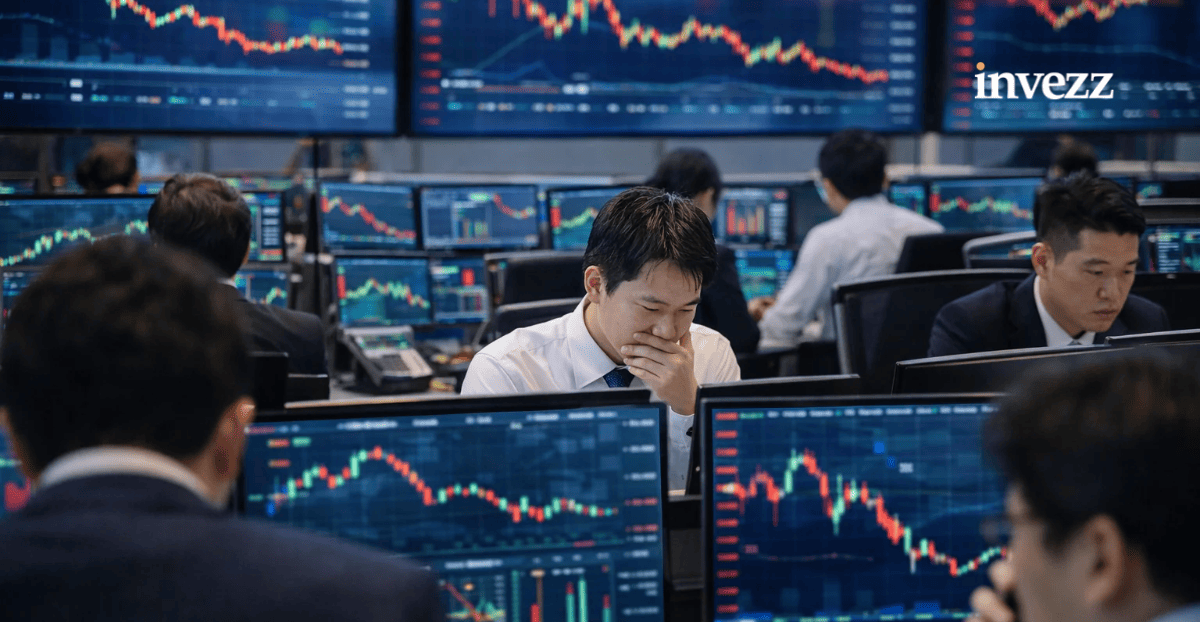
Samsung Electronics rose as much as 3.25% in early trading, while SK Hynix climbed 4.55%. By late morning in Seoul, gains had narrowed to 1.92% and 1.66%, respectively. The KOSPI index briefly crossed the 5,500 mark before settling up 1.48% at 5,421.99. The initial surge reflected bargain hunting after a volatile session on Thursday, when Nvidia fell more than 14% at one point before closing down 4.34% at $166.19.
Analysts noted that much of the negative news had already been priced in. Han Ji-young, an analyst at Kiwoom Securities, told The Korea Herald that “some of the negative developments have already been priced in,” pointing to bargain hunting despite headwinds like higher oil prices and interest rates. The buying was not limited to chipmakers; shipbuilding and pharmaceutical stocks also advanced, indicating a broader risk-on sentiment.
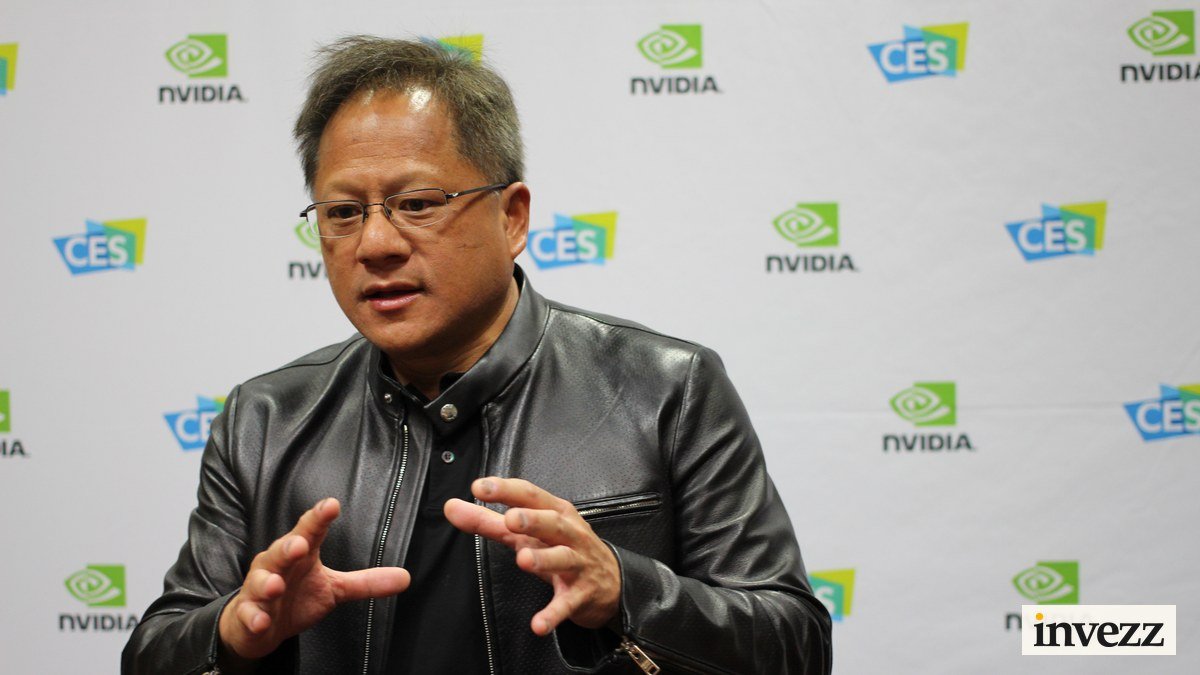
Nvidia named CFO Colette Kress as interim CEO after confirming Huang's resignation. The board emphasized that customer commitments and the product roadmap would continue without interruption. However, the leadership change marks the first in 33 years, and investors are closely watching for any strategic shifts.
AI memory demand could survive Huang's exit
Samsung and SK Hynix are key suppliers of high-bandwidth memory (HBM), a critical component in AI processors. Their fortunes are tied to the growing computing requirements of cloud companies, not solely to Nvidia's leadership. Advanced memory products take years to design and qualify, so existing orders and development programs are unlikely to be canceled overnight.
“Demand is not getting any smaller,” said Robert Schiffman, an analyst at Bloomberg Intelligence, on Bloomberg Television. He added that the need for computing power would persist, though financing conditions and project timelines could shift. Taiwan's Foxconn also signaled robust AI server demand, with Chairman Young Liu projecting high double-digit growth in rack shipments by 2027, despite tight component supplies.
Still, resilience in overall AI spending does not guarantee that every manufacturer will retain the same customers, volumes, or margins. Nvidia's successors may rethink product priorities, and cloud operators could diversify their suppliers.
Could Huang's exit reshape Asian supply chains?
Huang spent three decades building relationships with chipmakers, system assemblers, and customers. A new management team could bring different negotiating priorities, potentially affecting memory contracts, manufacturing schedules, and investment decisions.
Jon Zauderer, head of specialist sales at Citi, told Reuters that “investors are going to look for alternatives,” naming AMD, Broadcom, and Arista as potential beneficiaries of Nvidia's uncertainty. That shift could help Asian suppliers serving multiple chip platforms, while squeezing those most tied to Nvidia's designs.
Renée Friedman, a market analyst at Exante, warned MarketWatch that supply-chain businesses “may see negative reactions” as the consequences become clearer, especially when companies update their forecasts. Nvidia's upcoming earnings on November 17 will be a key test, as investors scrutinize demand, capital spending, and any guidance from interim CEO Kress on partnerships and technology plans.
This article is for informational purposes only and does not constitute financial advice.