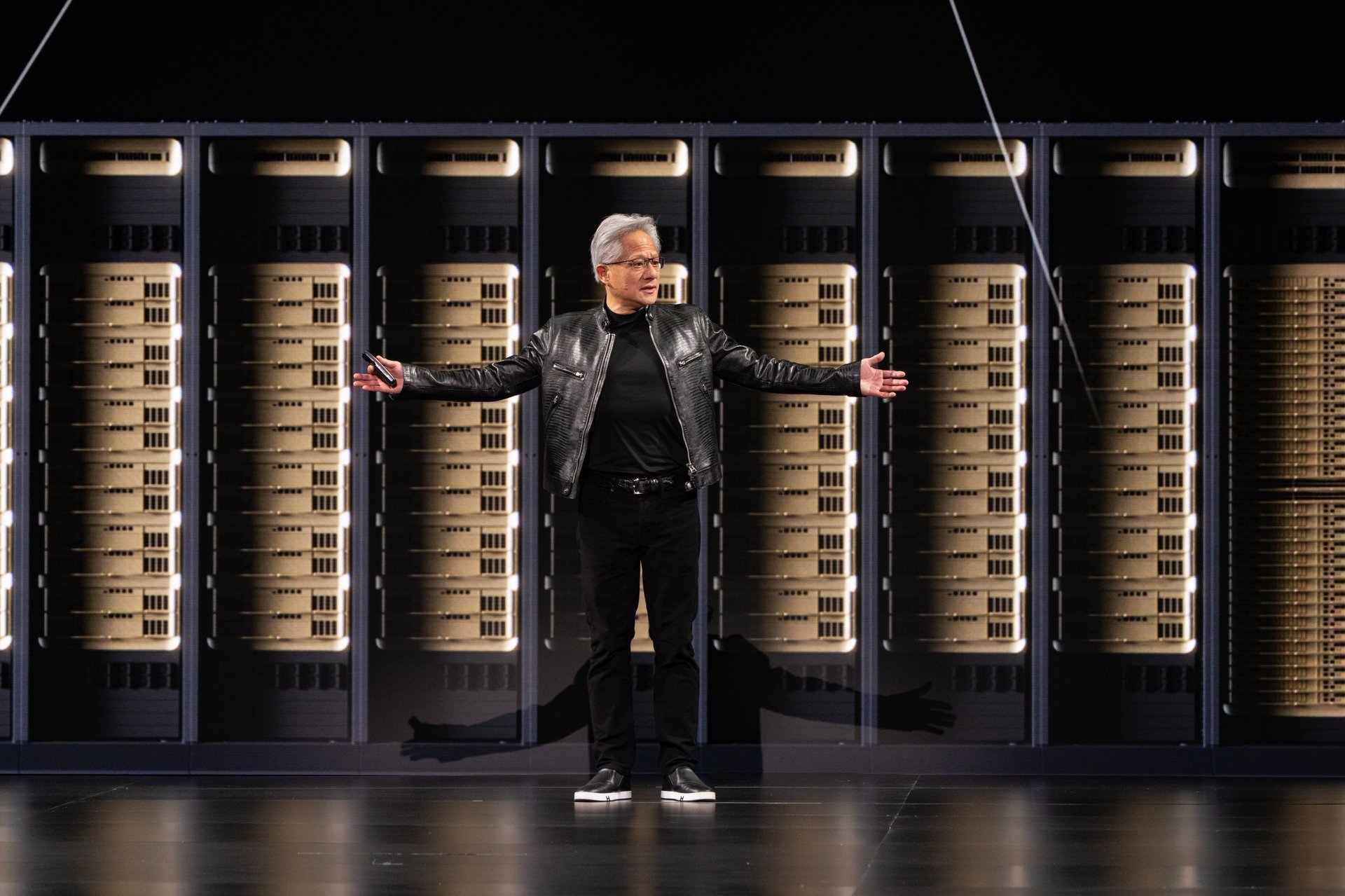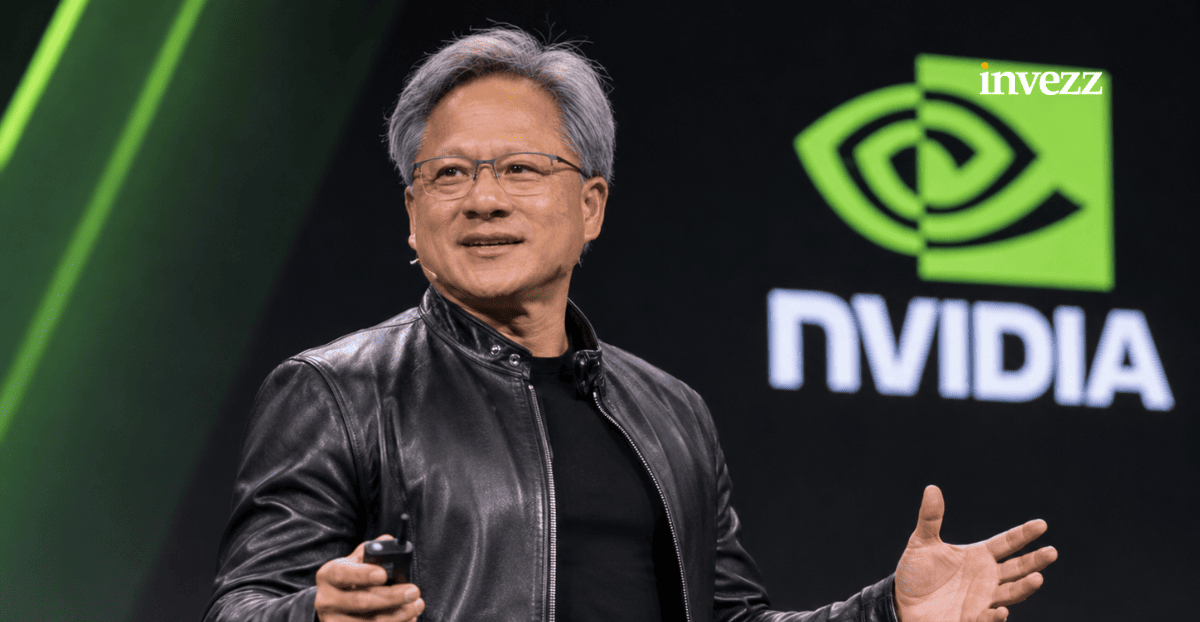
Nvidia's position as the central financier of the artificial intelligence boom could be jeopardized if CEO Jensen Huang is removed, according to analysts. The company has invested billions in AI startups and provided financing guarantees for infrastructure projects, but uncertainty over Huang's future may prompt a more cautious approach.
Reports that Nvidia's board is considering ousting Huang amid revelations about a second relationship, this time involving a company executive, have cast a shadow over the company's role in financing AI expansion. During premarket trading on Thursday, Nvidia shares fell sharply, reflecting investor concern.
Nvidia's 'central bank of AI' role
Under Huang's leadership, Nvidia has become the epicenter of the global AI technology boom, not just by selling chips but by financing the ecosystem. Last year, Nvidia purchased $5 billion worth of Intel shares. The company plans to invest about $10 billion in Anthropic immediately after its IPO, according to its investor prospectus. It has also invested $30 billion in OpenAI and agreed to guarantee up to $105 billion in leases for OpenAI's data center projects in Ohio.
Nvidia has invested $2 billion each in neocloud operators CoreWeave and Nebius, as well as in photonics companies Lumentum and Coherent. In August, it partnered with six major financial institutions, including Apollo, BlackRock, Blackstone, Brookfield, and Goldman Sachs, to launch compute financing platforms aimed at raising more than $500 billion in third-party capital for AI infrastructure. Huang said on X that the company had the option to backstop up to $125 billion, or 25% of potential deals.
Circular financing concerns
These investments have drawn criticism for resembling circular financing, where a company funds customers who then use that money to buy its products. For example, Nvidia holds a stake of more than 12% in CoreWeave, which spends heavily on Nvidia GPUs. Huang has defended the strategy, arguing that AI infrastructure is capital-intensive and many startups lack the financial track record to secure low-cost capital.
“They’re not investment grade. They don’t have the track record, the capital track record, the financial track record, to be able to capture or secure capital at a low cost. And this is where Nvidia could be helpful,” Huang said in an interview with Jim Cramer earlier this year.
Market reaction and potential impact
The leadership uncertainty is already weighing on AI-related stocks. CoreWeave shares fell around 7% in premarket trading on Thursday, following a 25% surge the previous day. Analysts suggest that Nvidia has acted as a kind of 'central bank of artificial intelligence', with financial support for customers reaching approximately $300 billion over the past three years.
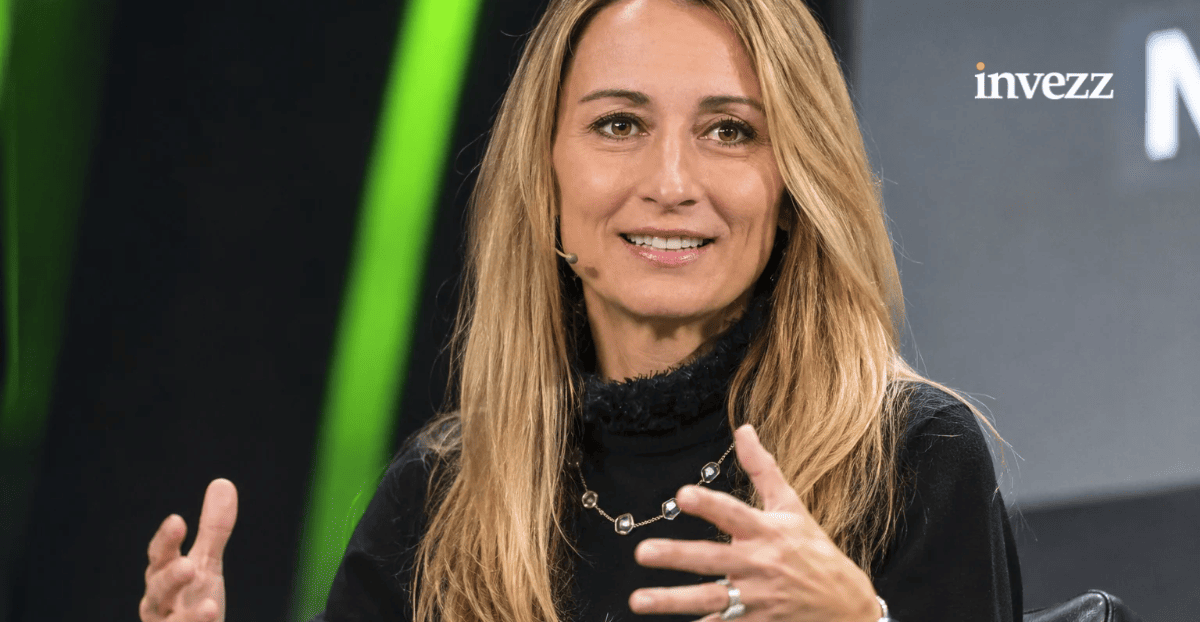
Manuel Pinto, head of analysis at XTB Spain, told Invezz that this has encouraged an 'Nvidia put'—the expectation that the company will support strategic projects when financing becomes scarce. However, if Huang leaves, that support could become less predictable.
Bruno Schneller, managing partner at Erlen Capital Management, said existing contractual obligations would not disappear, but a new CEO might have a different appetite for equity investments and financing guarantees. “Counterparties may also demand greater transparency, tighter terms and more formal assurances under different leadership,” he said.
Pinto warned that if Nvidia's backing becomes less predictable, investors and creditors could demand greater compensation for risk, leading to more expensive financing and slower projects. Large technology companies with strong balance sheets would be better positioned to absorb such adjustments.
This article is for informational purposes only and does not constitute financial advice.