Naira Appreciation Driven by Policy and Structural Factors
The Nigerian naira has demonstrated notable strength in recent months, appreciating approximately 20% from its lowest valuation point earlier in 2024. The USD/NGN pair declined to around 1,358 by mid-April, a significant recovery from its peak near 1,691 in late 2023. This currency rebound occurs against a backdrop of volatility in emerging market currencies, with Nigeria appearing somewhat insulated from recent geopolitical tensions affecting global energy flows.
Central Bank Actions Provide Critical Support
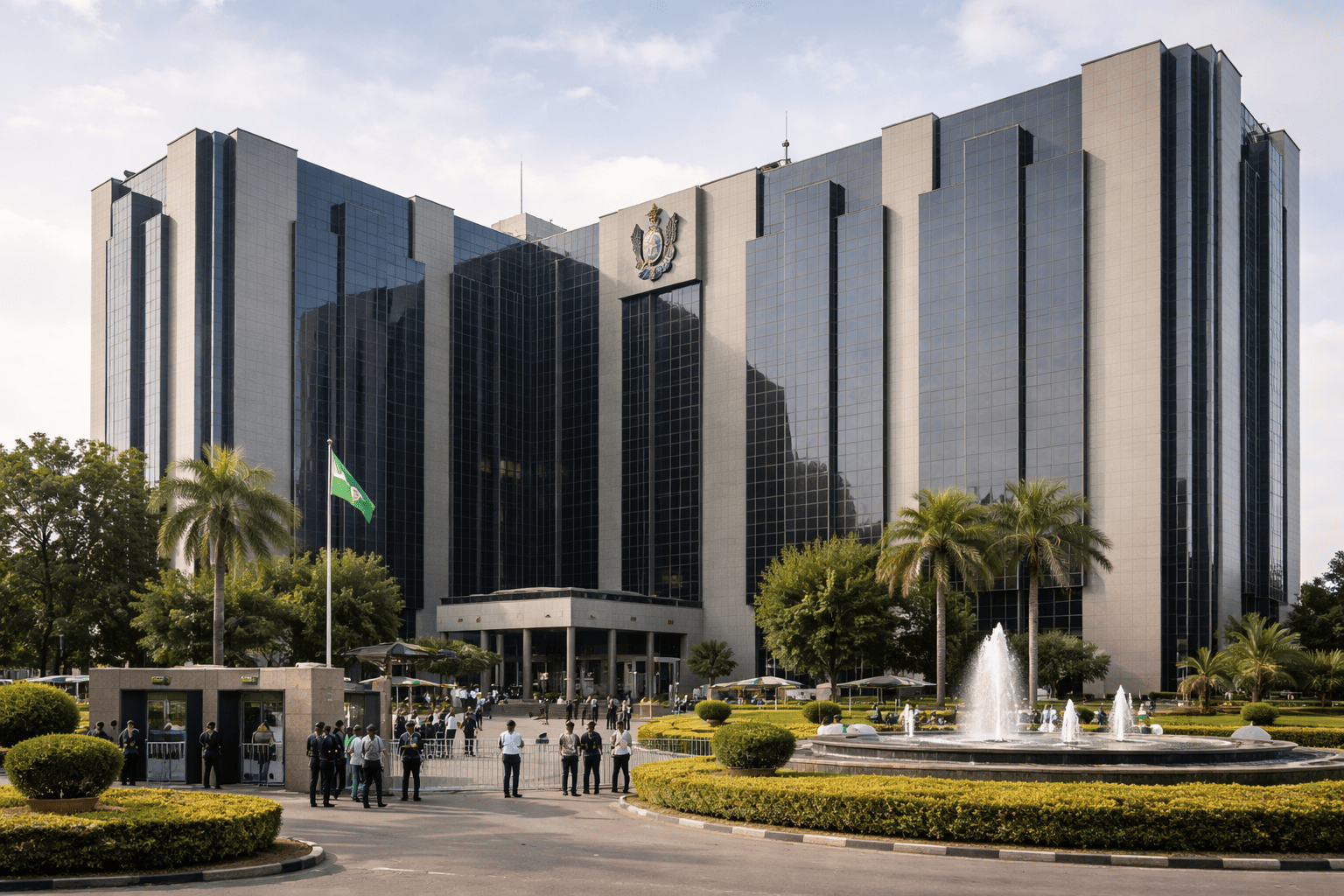
The Central Bank of Nigeria (CBN) has implemented a multi-pronged strategy to stabilize and boost the national currency. A primary tool has been the active deployment of foreign exchange reserves to support the naira. Official data indicates Nigeria's dollar reserves have declined for 17 consecutive days, falling to approximately $48.94 billion, their lowest level since February. This drawdown reflects direct intervention in the currency markets.

Simultaneously, the CBN has maintained a high-interest-rate environment to attract foreign capital. Although it recently trimmed the benchmark rate by 50 basis points to 26.50%, the rate differential with major economies like the United States remains substantial. With the US Federal Reserve holding its target rate between 3.50% and 3.75%, this creates a significant carry trade incentive, encouraging investors to seek higher yields in naira-denominated assets. The bank has also increased sales of high-yield short-term debt instruments specifically designed to attract US dollar inflows.
Domestic Refinery Capacity Alters Economic Dynamics
A major structural shift supporting the currency is the operational scaling of the Dangote refinery. The facility's capacity to refine substantial volumes of crude oil domestically has reduced Nigeria's dependence on imported refined petroleum products, conserving foreign exchange. Furthermore, the refinery has begun sourcing more crude oil domestically, with purchases from the Nigerian National Petroleum Corporation reportedly rising to ten cargoes in March. At full capacity, the refinery is expected to meet national demand and generate exportable surplus, positively impacting the trade balance.
This enhanced refining capability has also positioned Nigeria as a regional fuel supplier, particularly as geopolitical events have disrupted traditional shipping routes like the Strait of Hormuz. Several African nations have turned to Nigeria for petroleum supplies, creating a new stream of dollar earnings.
Improving Macroeconomic Fundamentals
Underlying economic indicators show signs of stabilization, which bolsters currency sentiment. Recent data indicates annual inflation has retreated sharply, falling to about 15% in February from over 26% in the previous year. Economic growth has also shown resilience, with Gross Domestic Product expanding at an annual rate of 4.07% in the fourth quarter, up from 3.98% in the prior quarter. These improving fundamentals provide a more supportive backdrop for the naira's valuation.
Technical Outlook and Market Sentiment
From a technical analysis perspective, the USD/NGN pair's decline has been pronounced. The exchange rate has moved below key technical indicators, including the 50-day and 200-day Exponential Moving Averages, and remains beneath the Supertrend indicator and the Ichimoku cloud. This technical posture suggests the bearish trend for the dollar against the naira could persist, with market watchers eyeing a potential test of the psychological support level at 1,300.
The confluence of aggressive monetary policy, strategic use of reserves, a transformative shift in oil refining, and moderating inflation creates a supportive environment for the Nigerian currency. Investors are monitoring whether these factors can sustain the naira's momentum amid global financial market fluctuations. For broader context on dollar movements, see our analysis on the Dollar Index's recent decline. Additionally, shifts in risk appetite influenced by geopolitical events, as discussed in our coverage of gold price dynamics, can indirectly affect capital flows to emerging markets like Nigeria.
This article is for informational purposes only and does not constitute financial advice.