
The recent US-Iran agreement to reopen the Strait of Hormuz may ease geopolitical tensions, but auto repair shops and dealerships should not expect immediate relief from ongoing shortages of motor oil, paint thinner, and other petroleum-derived products. Industry executives warn that supply chains remain severely disrupted, with smaller garages bearing the brunt of the crisis, according to a Reuters report.
Shortages Hit Repair Shops Hard
Tokyo auto shops have been grappling with shortages of motor oil, paint thinner, and diesel exhaust fluid for months, following the Middle East conflict that disrupted global supply chains. Hiroyuki Nakamura, director at Shin Etsu Denso, noted that oil supplies were “almost completely wiped out” after the war began in March, with no shipments arriving since April. He described the situation as unprecedented in his 35-year career.
The impact has been particularly acute for popular car colors. Fuchu Car, a suburban Tokyo repair shop, has faced tight supplies of “pearl white” paint, a lustrous finish requiring a special gloss. Masato Yagai, the shop’s president, reported securing only one 300-ml bottle of the finish in two weeks—barely enough for a single job. If supplies run out, repainting vehicles in that color may have to be suspended.
Smaller garages are losing out as larger buyers and automakers stockpile limited supplies. Priority is being given to big manufacturers, leaving independent shops scrambling for essential products.
US-Iran Deal Unlikely to Bring Quick Relief
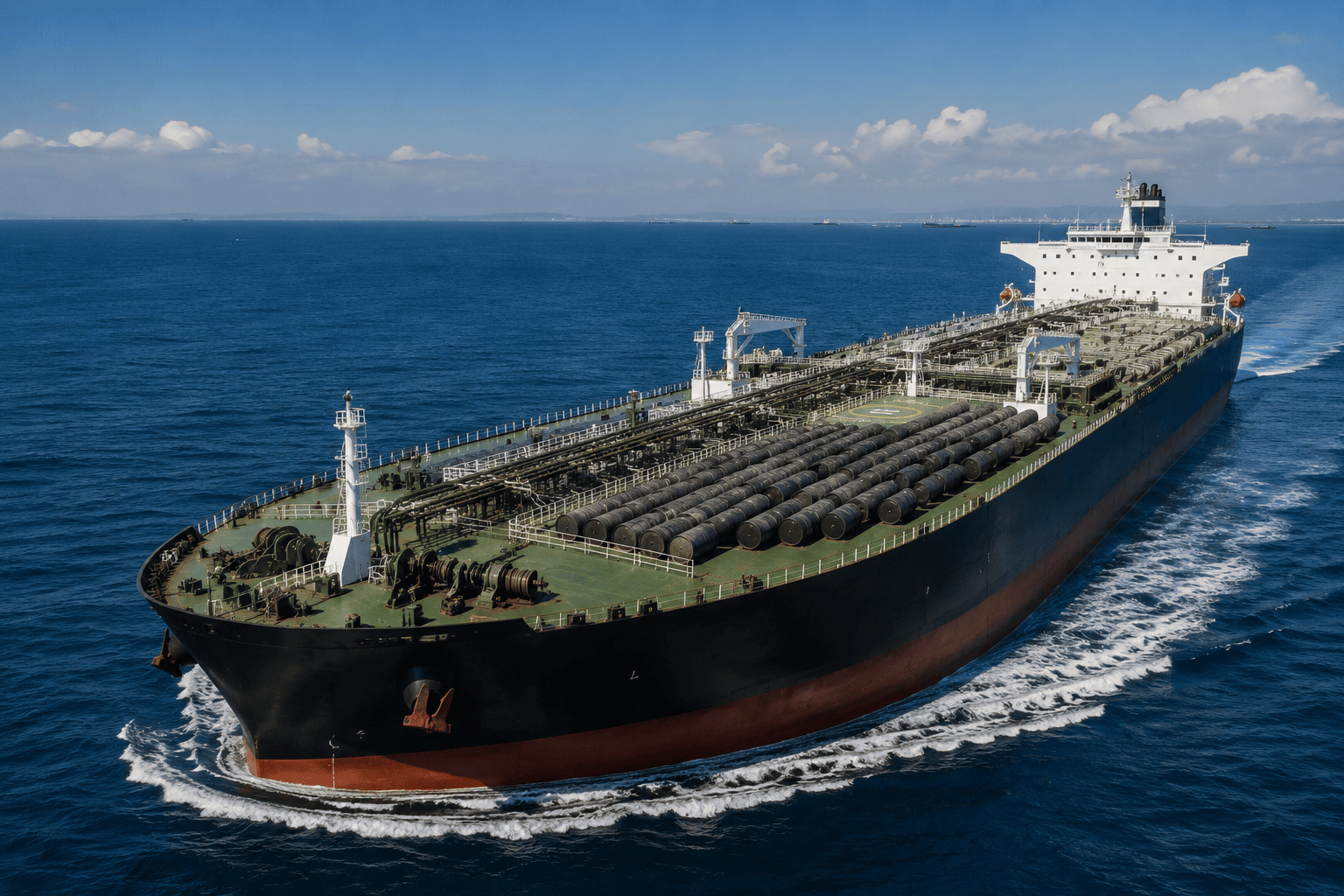
US President Donald Trump announced a preliminary agreement to end the war, though details remain unclear. Analysts at Rystad Energy and ING Economics previously indicated that even if shipments through the Strait of Hormuz resume, it will take time for supply chains to normalize. The strait handles nearly a fifth of global oil flows, and its closure has created bottlenecks for both crude and refined products critical to industries like auto repair.
A US trade group projects that prices for petroleum-derived products are unlikely to ease until mid-2027, reflecting the time needed to rebuild inventories and restore confidence in shipping routes. This timeline underscores the persistent nature of the shortage, despite the diplomatic breakthrough.
Global Ripple Effects
The shortages extend beyond Tokyo. Detroit car dealerships have also been hit by motor oil and paint product shortages, leading to delays in routine maintenance and repairs. Some shops have resorted to rationing supplies, prioritizing essential repairs over cosmetic work. The disruptions highlight how deeply the conflict has affected global supply chains, with ripple effects felt in auto shops, manufacturing plants, and consumer goods sectors.
Analysts point to broader vulnerabilities in global trade. Even with a peace deal, restoring flows through Hormuz requires rebuilding trust among shipowners and insurers. Many buyers have already secured alternative supply routes, and it may take months before confidence in Hormuz shipments is fully restored.
For investors, the situation underscores the fragility of supply chains in key sectors. The prolonged shortage could impact companies reliant on petroleum-derived products, from automakers to paint manufacturers. Meanwhile, the broader market continues to navigate uncertainties, as seen in recent moves like Intuitive Surgical's 12% tumble and Nvidia's 2.5% dip amid sector slumps.
Outlook
While the US-Iran deal is a step toward stability, auto shops and dealerships should not expect quick relief. Supply chains remain fragile, inventories are depleted, and smaller players are struggling to compete with larger buyers. Industry experts warn that without a sustained recovery in shipments, shortages of motor oil, paint thinner, and other products could persist well into next year and beyond.
This article is for informational purposes only and does not constitute financial advice.