Middle Eastern crude benchmarks declined on Tuesday as growing optimism over a potential reopening of the Strait of Hormuz eroded the war premium that had supported prices for months. Traders are increasingly pricing in a faster return of blocked Persian Gulf supplies, easing fears of prolonged global shortages.
Brent crude futures and key regional benchmarks, including Dubai and Murban, came under pressure as the prospect of normalized tanker traffic reduced supply concerns, according to Bloomberg. The forward price curve for several Middle Eastern grades flipped into contango for the first time since the conflict began, signaling reduced immediate supply worries and expectations of ample crude availability in the coming months.
Physical Markets Ease
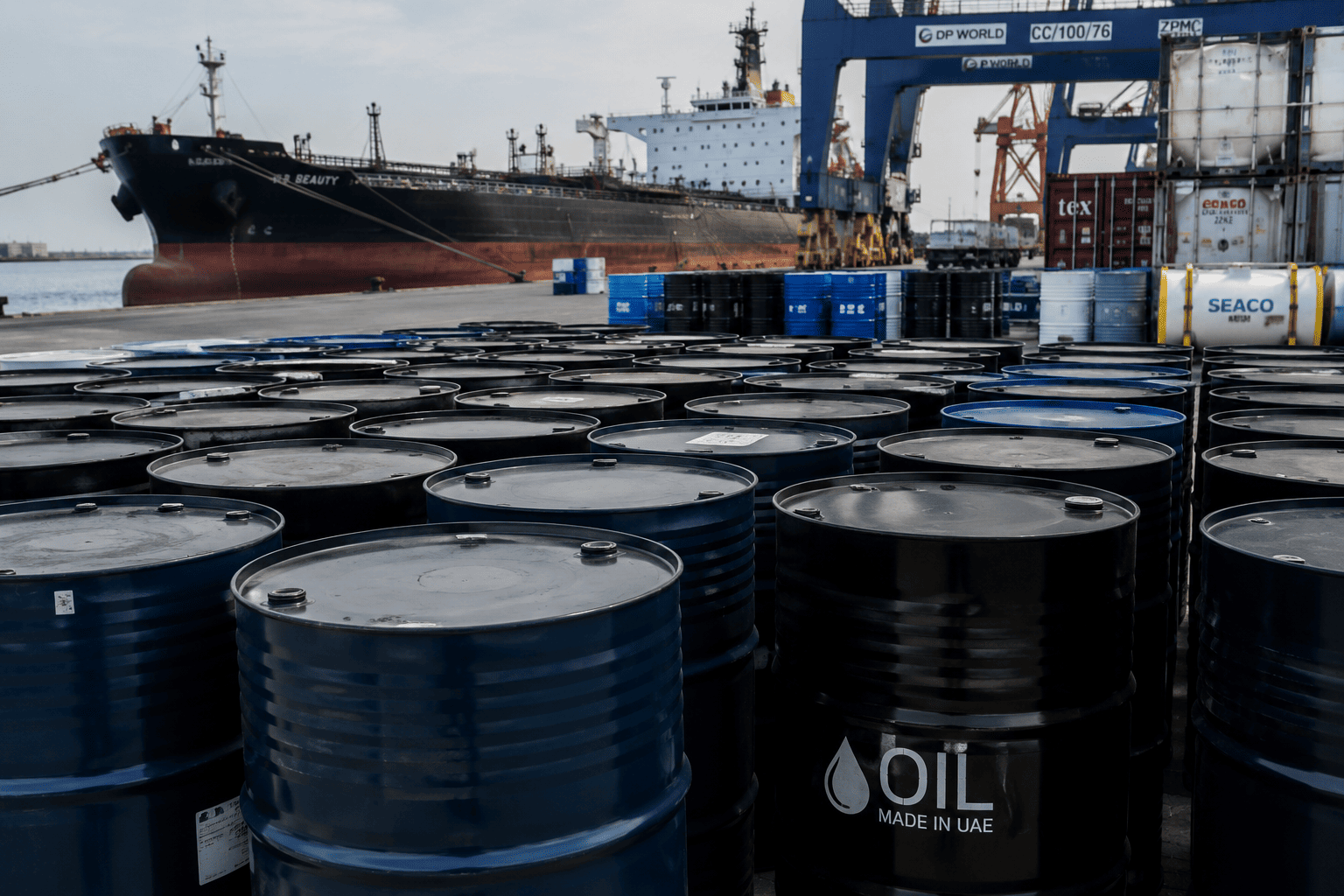
Spot cargo differentials for key grades have narrowed significantly, and buyers have become more selective as acute shortage fears recede. Sellers who previously commanded strong premiums now face stiffer competition. Improved sentiment is supported by expectations that major Gulf producers, including Saudi Arabia, the UAE, and Iraq, will steadily increase output once shipping routes normalize. However, full restoration of pre-war export levels is expected to take several weeks due to logistical challenges, vessel repositioning, and infrastructure assessments.
Broader Market Context
The weakening in Middle East oil markets comes amid broader signs that global inventories have held up better than many analysts initially feared. Clandestine shipments, rerouting of cargoes, lower Chinese imports during the peak disruption period, and some demand destruction helped cushion the impact of the Hormuz blockade. This supply optimism has shifted the entire complex from a tight, backwardated structure toward one that anticipates normalization. If the deal holds and flows resume smoothly, analysts expect further downward pressure on prices in the short term, particularly as seasonal summer demand peaks and inventories begin to rebuild.
Related coverage: US Crude Stocks Plunge 8M Barrels, ING Warns of Q3 Price Spikes and Global Markets Turn Cautious as Middle East Tensions Escalate; Oil Surges 5%.
Lingering Risks
Despite the positive momentum, risks remain. Full implementation of the US-Iran agreement is not yet guaranteed, and any setbacks, Israeli objections, or delays in demining operations could quickly reverse recent sentiment. Geopolitical developments in the region continue to warrant close monitoring. Over time, a recovery in Middle Eastern supply could ease energy-driven inflation pressures and support global growth. However, it may also challenge the pricing power of OPEC+ and shift dynamics in favor of buyers in Asia and Europe.
For now, the market is transitioning from a war-driven risk premium environment to one focused on the pace and scale of supply recovery. Traders will watch closely for confirmation of increased loadings at key terminals and fresh inventory data from the EIA and other sources in the coming weeks. The current easing in Middle East oil markets highlights how quickly sentiment can shift on diplomatic progress, even after months of heightened tensions. While near-term supply optimism dominates, the road to full normalization remains subject to both technical and political hurdles.
This article is for informational purposes only and does not constitute financial advice.