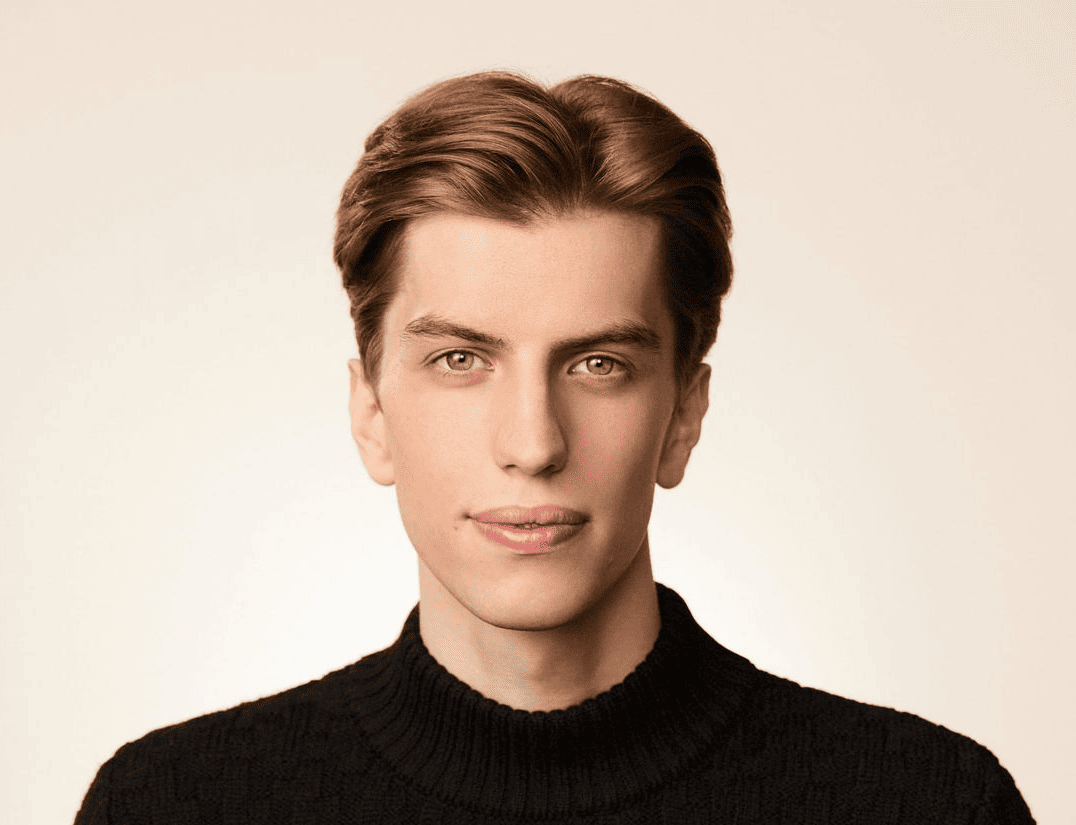
Leopold Aschenbrenner, a 24-year-old former OpenAI researcher, has become a cautionary tale for the AI investment boom. His hedge fund, Situational Awareness, which at its peak managed roughly $24 billion, has sold the bulk of its public equities portfolio to Ken Griffin's Citadel after suffering heavy losses on leveraged technology bets, according to Reuters and other reports.
Aschenbrenner's trajectory was meteoric. After graduating from Columbia at 19, he worked briefly at the FTX Future Fund before joining OpenAI's Superalignment team. He left under disputed circumstances, with OpenAI citing improper disclosure of internal information, while Aschenbrenner claimed his departure followed disagreements over security concerns. Two years ago, he had no trading experience, yet he launched Situational Awareness based on his conviction that artificial intelligence would reshape the global economy.
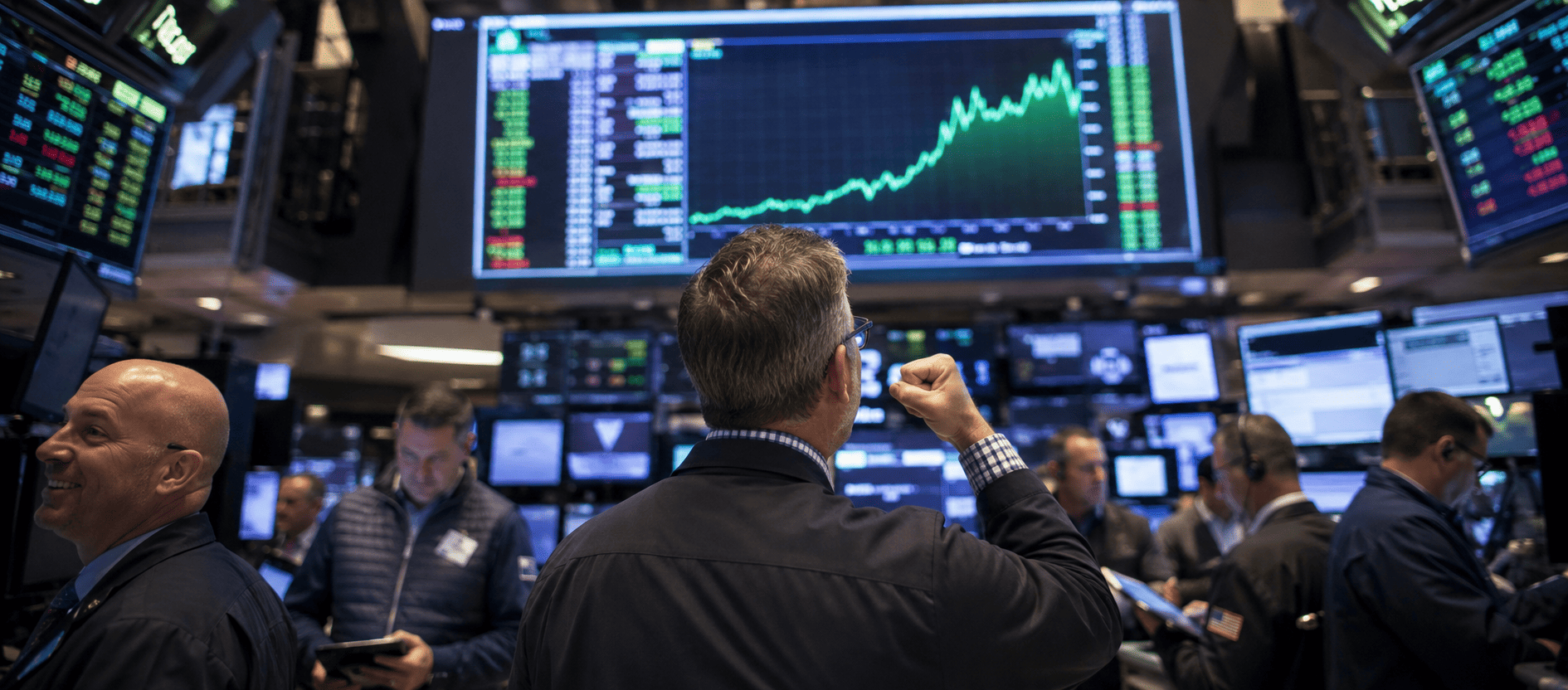
His 2024 essay, also titled "Situational Awareness," argued that artificial general intelligence would arrive sooner than expected, attracting backing from prominent tech investors like Nat Friedman and the Collison brothers. The fund's performance was extraordinary: returns exceeded 400% in the first half of the year, and assets swelled past $20 billion, eventually reaching $24 billion. Aschenbrenner was dubbed the "Nostradamus of AI."
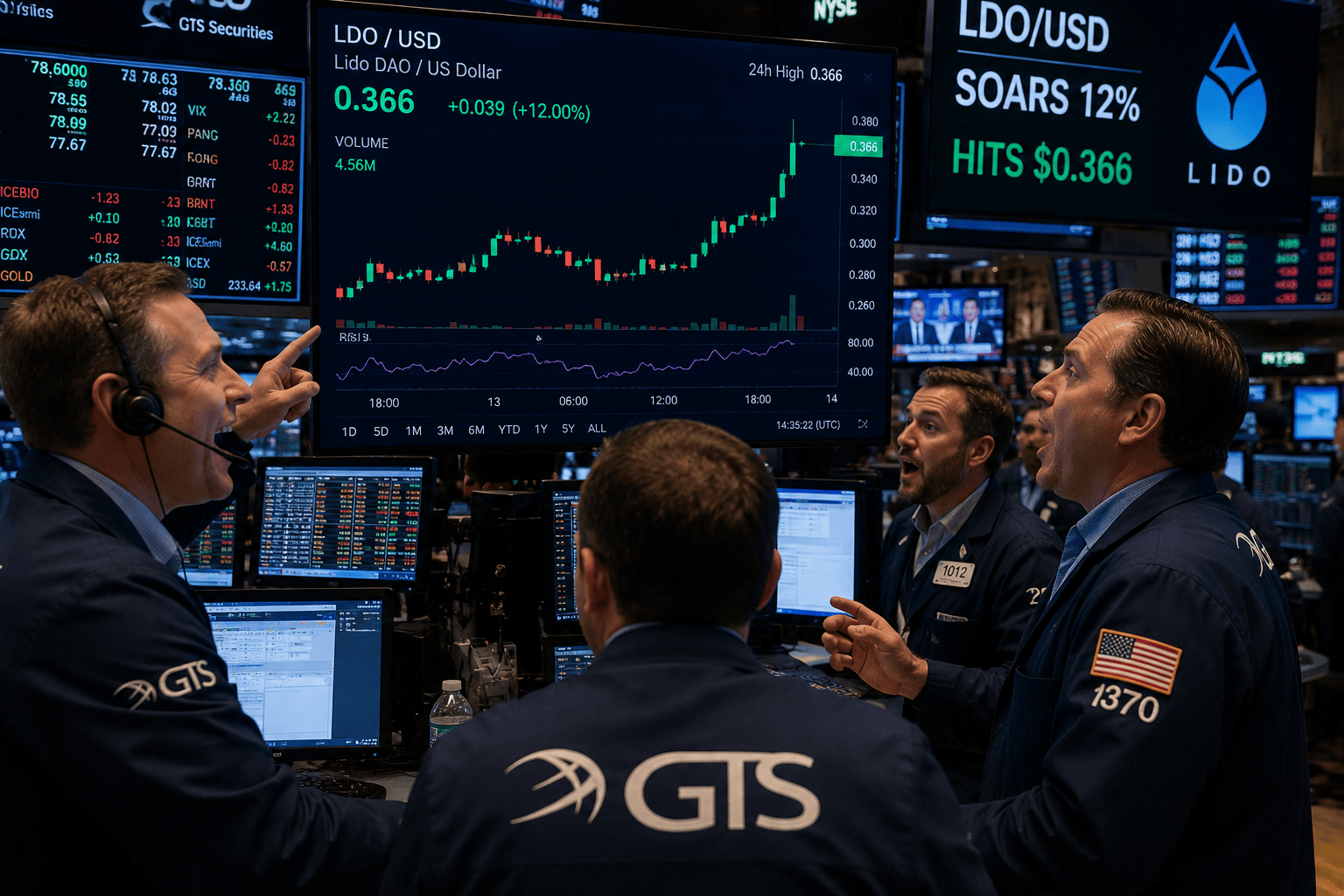
However, the same concentrated conviction that fueled the rise accelerated the fall. The fund held large positions in AI infrastructure beneficiaries like Broadcom, Intel, and CoreWeave, as well as hundreds of millions in Bloom Energy and SanDisk. When AI stocks corrected sharply in recent weeks, the leveraged, concentrated portfolio was exposed. Bloom Energy and SanDisk fell about 40% from end of June to early this week, and the fund lost roughly 67% in July alone, according to the Wall Street Journal.
Aschenbrenner blamed aggressive short sellers for exacerbating the decline. But behind the scenes, pressure mounted. Sources told Reuters that Situational Awareness was forced to either raise fresh capital or sell its portfolio. Ultimately, it chose to sell most of its public equity holdings.
Citadel, the $71 billion hedge fund, agreed to acquire the leveraged portion of the portfolio, with major prime brokers including Goldman Sachs, JPMorgan Chase, Bank of America, and Citigroup facilitating the deal. Citadel beat rivals Millennium Management and Jane Street. After the sale, Situational Awareness retains roughly $10 billion in remaining public holdings and private investments, including its stake in AI startup Anthropic.
Warning signs emerged even during the fund's ascent. When Intel reported strong earnings on July 23, its shares fell, fueling speculation of a large seller. The Financial Times reported that Aschenbrenner was offloading stock to recover losses elsewhere. "He had the illusion of still being in control," one person told the FT. Yet publicly, Aschenbrenner remained optimistic, highlighting the fund's 439% return by end of June and 1,551% since founding.
The unraveling of Situational Awareness underscores the risks of leveraged, concentrated AI bets. As China's top hedge funds warn that the AI rally is a "super bubble," this episode serves as a stark reminder. The broader market has also felt the tremors, with Dow futures dropping as the AI rally unravels. While some hedge funds have thrived in the AI trade, Asia hedge funds surged 136% as the trade expanded, but the volatility remains high.
For investors, the story of Situational Awareness is a lesson in the perils of leverage and concentration in high-growth sectors. The fund's rapid rise and fall highlight how quickly sentiment can shift in the AI market. As Aschenbrenner's fund transitions to a smaller, private-focused portfolio, the broader implications for AI investing remain to be seen.
This article is for informational purposes only and does not constitute financial advice.