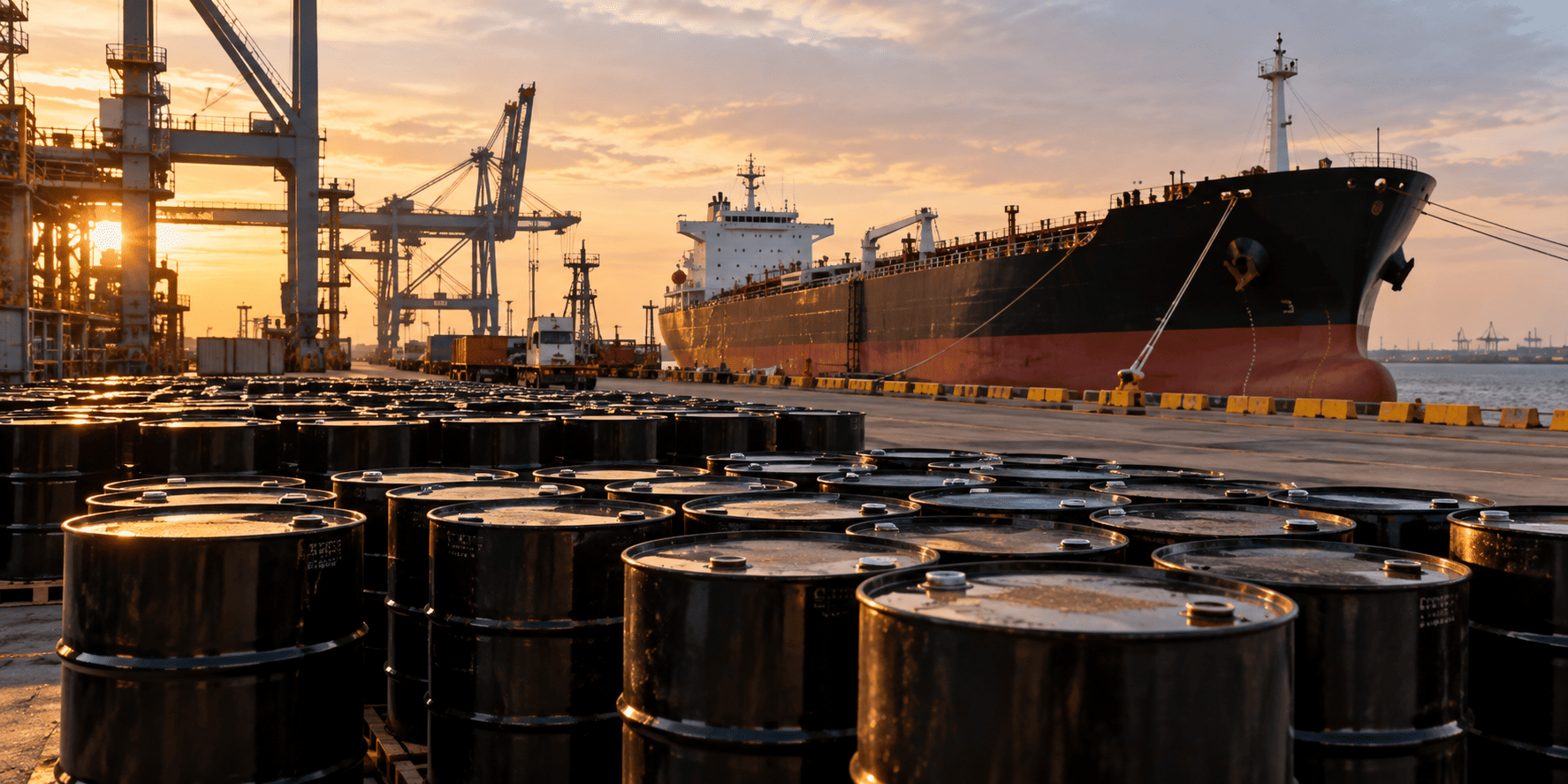
Crude futures pulled back on Friday as signs of improving tanker traffic through key Middle East waterways prompted traders to lock in profits after a turbulent week. Brent crude dropped 1.2% to $88 a barrel, while West Texas Intermediate fell 1.8% to $82.09. Despite the retreat, both benchmarks are heading for monthly gains of roughly 20%, reflecting the geopolitical risk premium that has built into prices since regional tensions escalated.
Hormuz flows ease immediate fears
The decline was driven less by diplomatic breakthroughs than by evidence that some cargoes are moving again. A QatarEnergy-controlled liquefied natural gas tanker departed the Strait of Hormuz on Wednesday, marking the first such exit since July 11. Twelve commodity ships crossed the waterway that day, though activity remains below normal levels.
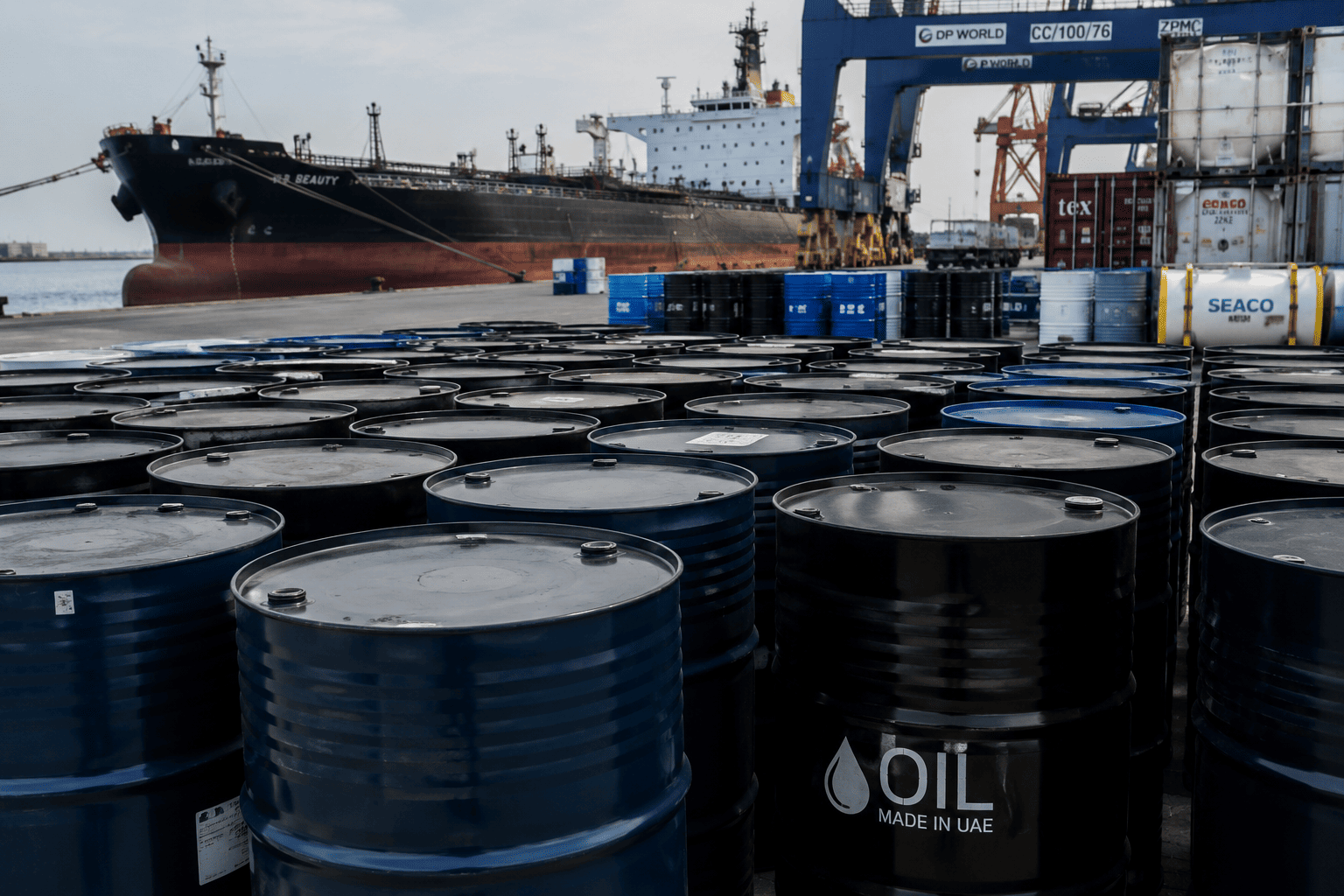
Analysts note that traders are weighing heightened regional tensions against the gradual recovery in Hormuz flows, which explains why prices have eased without fully shedding the risk premium. The improvement is uneven: vessel traffic through Bab el-Mandeb increased on Thursday, but threats from Iran-aligned Houthi forces have forced some Saudi exports to use longer or less transparent routes. A drone strike that damaged gas vessels at Egypt's Damietta port added a security concern near the Suez Canal.
Phillip Nova analyst Priyanka Sachdeva highlighted that rising freight and insurance costs indicate physical trade remains far from normal, even as transit numbers improve.
US inventories tighten the floor
Friday's sell-off came despite a stronger-than-expected draw in US crude stocks. Commercial inventories fell by 7.2 million barrels in the week ended July 24 to 404.5 million barrels, roughly 7% below the five-year seasonal average, according to the Energy Information Administration. Refineries operated at 97.2% of capacity, processing 17.3 million barrels per day, while crude imports declined.
That combination points to a tight prompt market after months of disrupted international supply. The data limits the bearish case from higher tanker traffic—more barrels may be moving through chokepoints, but US refiners are running hard and domestic stockpiles offer a thinner cushion against another outage. EIA data also show that second-quarter global inventories fell rapidly as Hormuz disruptions pushed buyers toward alternative sources.
OPEC+ faces a harder supply decision
Attention now turns to the August 2 meeting of seven OPEC+ producers. The group is expected to approve a September output increase of about 188,000 barrels per day, completing the phased reversal of 1.65 million barrels per day of voluntary cuts introduced in 2023. The increase may be followed by a three-month pause from October.
Roughly 2 million barrels per day of broader OPEC+ curbs would still remain, while actual exports from some Middle East members have been constrained by the conflict. UBS analyst Giovanni Staunovo said the alliance's next steps will depend heavily on how the war evolves and on its review of members' sustainable production capacity. That makes the scheduled increase less bearish than it appears because additional quotas do not guarantee that every barrel can reach buyers.
Oil is ending July in an unstable middle ground. Better shipping flows have reduced the immediate fear of a severe shortage, but depleted inventories, high transport costs, and multiple regional flashpoints are preventing a full unwinding of the geopolitical premium. For investors, the gold market's reaction to Fed policy and the broader equity rally offer contrasting signals on risk sentiment, while tech earnings and Asian market moves continue to shape the macro backdrop.
This article is for informational purposes only and does not constitute financial advice.