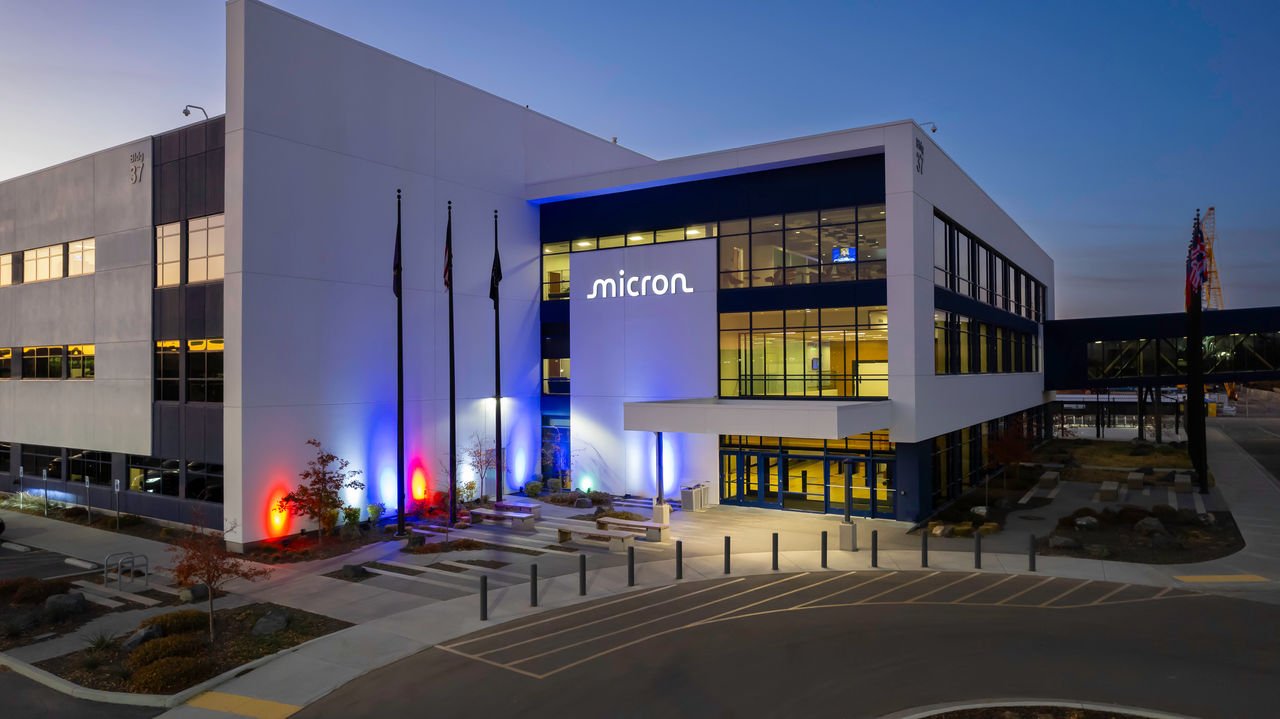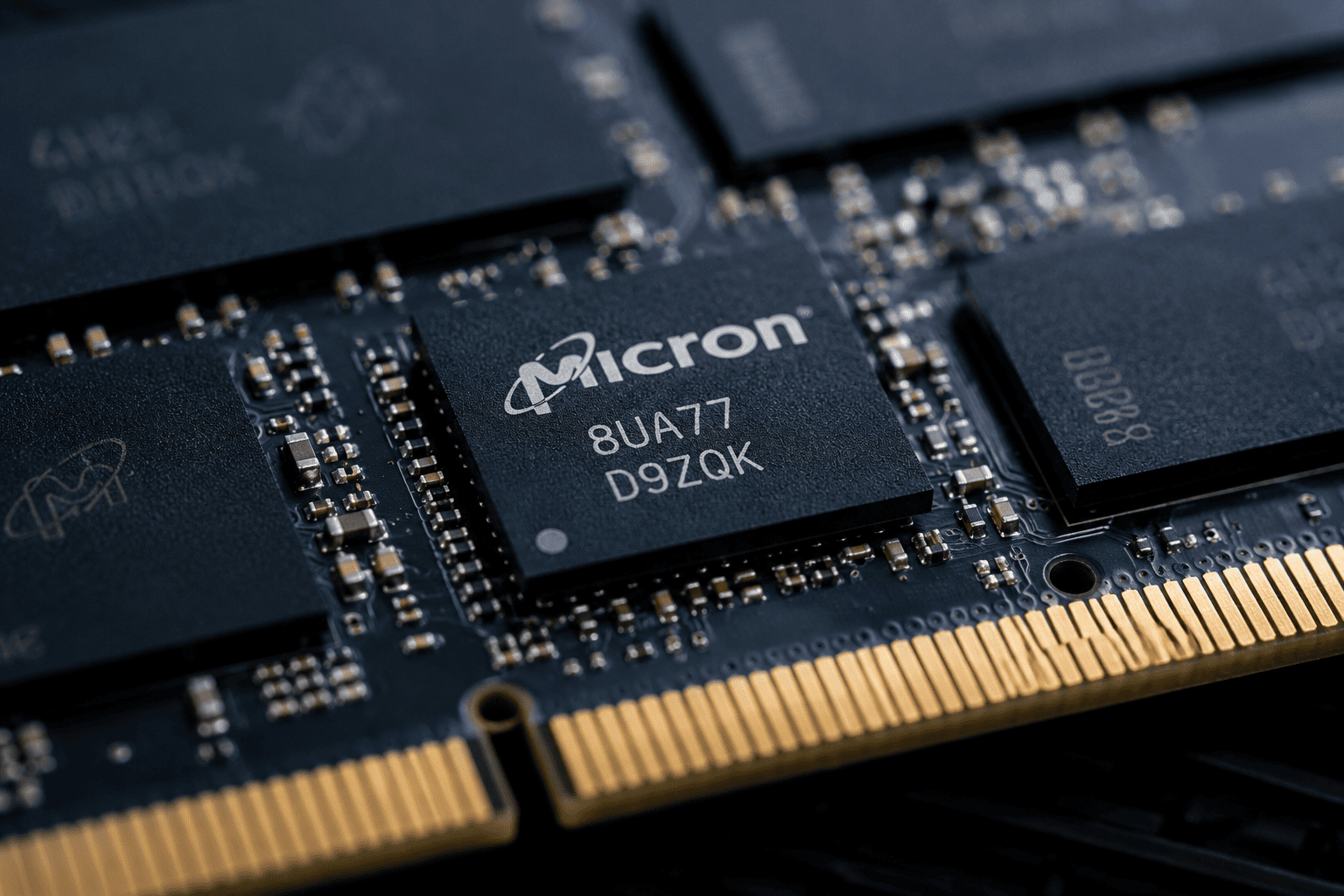
Micron Technology (NASDAQ:MU) has been a standout performer in the AI memory boom, with shares more than tripling this year as shortages drive DRAM and HBM prices higher. However, a recent filing from Nvidia (NASDAQ:NVDA) may have just set a timeline on the easy money phase for memory suppliers.
Nvidia disclosed $279 billion in supply and capacity commitments as of July 26, up from $119 billion a quarter earlier, primarily for memory and manufacturing capacity. The schedule shows $267 billion committed through fiscal 2029, with commitments dropping to just $6 billion in fiscal 2030. This suggests that while AI demand remains robust, the current pricing power for memory makers like Micron could face a structural shift in the coming years.

Nvidia's commitments underscore Micron's leverage
Nvidia said it has secured supply and critical components for "the next several years," highlighting how aggressively AI companies are locking in scarce capacity. The commitments include $92 billion for the remainder of fiscal 2027, $87 billion in fiscal 2028, and $88 billion in fiscal 2029. These are not direct purchase orders to Micron, as Nvidia also sources memory from SK Hynix and Samsung, and the figure includes manufacturing capacity.
According to D.A. Davidson analyst Gil Luria, Nvidia is "absorbing part of the increase" in memory costs because passing the full increase to customers would make pricing prohibitive. This is a striking measure of supplier leverage—even Nvidia is accepting some margin pressure because memory has become expensive and difficult to secure. For Micron, that scarcity has translated into rising prices, exceptional margins, and longer-term customer commitments, as noted in recent analysis of Micron's risk profile.
The first cracks could appear before 2029
The filing does not mean Nvidia stops buying memory after fiscal 2029. Commitments can be extended or adjusted, and the schedule reflects contracts currently in place rather than a forecast of future HBM demand. However, the more immediate question is whether today's rate of memory-price inflation can last.
UBS analyst Timothy Arcuri wrote after Nvidia's results that "at some point it should get relief on memory prices," implying some easing of the current pricing environment. Citi analyst Atif Malik is already modeling that shift, expecting "both DRAM and NAND prices decelerating Q/Q in the next four quarters," with prices potentially peaking in the second quarter of 2027. Citi cut its Micron target to $1,150 from $1,400 but retained a Buy rating, with Malik expecting Micron's gross margin to retreat from the mid-80% range towards the mid-70% range as pricing normalizes.
AI could stretch the cycle, but customers will adapt
There is a strong argument that this memory cycle will last longer than previous booms. New Street Research upgraded Micron to Buy with a $1,250 target in August, arguing that what is happening "breaks from the industry cycles we have witnessed in recent decades." The firm expects AI eventually to represent roughly two-thirds of memory demand and views HBM as structurally less cyclical than commodity DRAM.
Micron has said supply should improve gradually in 2028, but it lacks visibility on when industry supply can fully catch up with demand. Customers are also adapting. Mizuho analyst Vijay Rakesh cited concerns about "de-specing on future GPU/ASICs" while keeping an Outperform rating on Micron. This suggests that if memory prices remain elevated, some customers may opt for less advanced components, potentially dampening demand growth.
For investors, the key takeaway is that while Micron's near-term prospects remain strong, the financing and supply commitments from Nvidia provide a clearer picture of the cycle's duration. As noted in recent market reactions, memory stocks have shown sensitivity to these dynamics. The easy money may not last forever, but the AI-driven demand could still stretch the cycle further than historical patterns suggest.
This article is for informational purposes only and does not constitute financial advice.