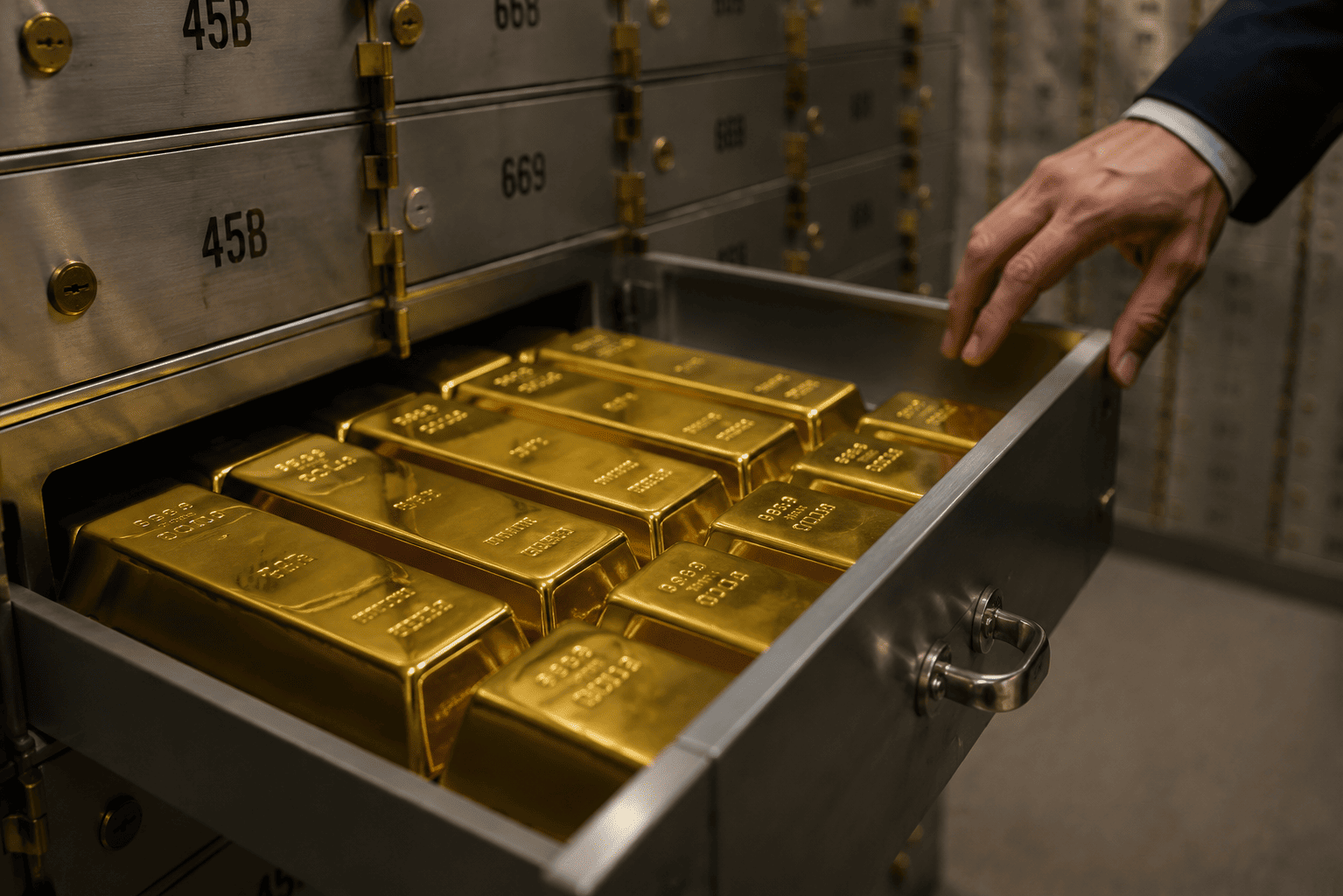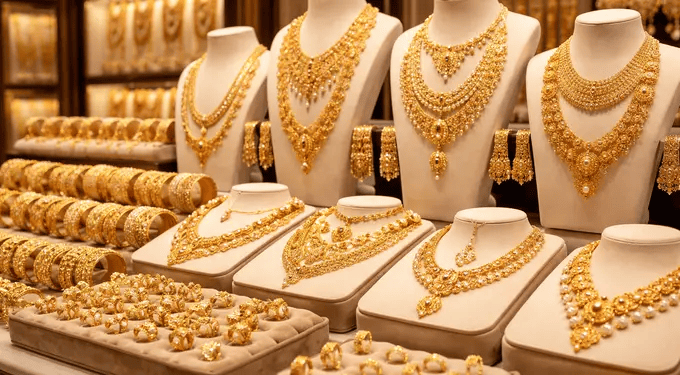
India's gold market is experiencing a pronounced slowdown as elevated prices and a steep import duty deter buyers, mirroring broader regional weakness in physical bullion consumption. Domestic gold prices hovered around INR 158,400 per 10 grams on Friday, keeping many potential purchasers on the sidelines.
Subdued Demand in India
Indian gold demand has weakened significantly, with buyers hesitant amid volatile prices and the government's decision to raise the import duty to 15% in May—the highest on record. Traders report that consumers are reluctant to commit to purchases, waiting for price stability before entering the market. One Mumbai-based dealer told Reuters, "Demand is very weak. People are waiting for prices to stabilize."
The World Gold Council (WGC) noted in its May update that jewellery and bar-and-coin demand could decline by 50–60 tonnes (10% year-on-year) in 2026 due to the duty hike. Domestic prices are trading at a deep discount to landed prices, widening from about $14 per ounce before the hike to nearly $150 per ounce afterward, as ample supply and profit-taking weighed on premiums.
Regulatory Tightening and Market Impact
The duty hike is part of broader measures aimed at conserving foreign exchange reserves amid geopolitical uncertainty and a weakening rupee. Banks paused bullion imports for over a month earlier this year due to delays in government notifications, further disrupting supply. Large chain jewellers reported panic buying immediately after the duty announcement but now expect slower sales ahead. Smaller retailers, already pressured by high prices, are struggling with reduced volumes and margins.
This regulatory tightening comes at a time when global markets are also facing headwinds. For context, the US Dollar Holds Near 100.80 as Middle East Tensions Fuel Safe-Haven Demand, which adds another layer of complexity for gold investors.
China Premiums Narrow
Premiums in China, the world's top gold consumer, have narrowed, reflecting cautious sentiment. Buyers are hesitant as global prices remain volatile, and local demand has softened. This trend mirrors India's slowdown, suggesting broader regional weakness in physical gold consumption.
The WGC's May commentary noted that gold fell 1% in May, finishing at $4,546 per ounce, as positive risk sentiment and ETF outflows weighed on prices. Analysts warned that the Federal Reserve may need to hike rates later this year as inflation pressures mount, which could prolong headwinds for gold. "Gold is vulnerable, perched on its 200-day moving average, in what looks like a declining channel," the WGC said.
Smuggling Concerns and Outlook
Past trends suggest that higher import duties increase unofficial inflows. After the 2013 duty hike, smuggled gold rose sevenfold within a year. A similar pattern was seen after the 2022 hike to 15%, when unofficial imports surged from 17 tonnes to nearly 50 tonnes. Analysts caution that the latest increase could again encourage smuggling, widening the domestic–international price gap.
India's gold demand is expected to remain muted in the near term, with jewellery purchases subdued outside of weddings and festivals. Investment demand is more sensitive to duty changes and could decline further if inflation persists. Globally, ETF flows remain lacklustre, and the possibility of Fed rate hikes poses additional risks. For now, the market is caught between regulatory tightening, volatile prices, and cautious consumers.
Unless prices stabilize and policy pressures ease, India's gold demand is likely to stay weak through the rest of 2026, with broader implications for global bullion trade. Investors should also keep an eye on other commodity-linked stories, such as AMD Drops 6% Amid Chip Selloff, Yet Analysts Raise Targets on AI Demand, which highlights the interconnected nature of global markets.
This article is for informational purposes only and does not constitute financial advice.