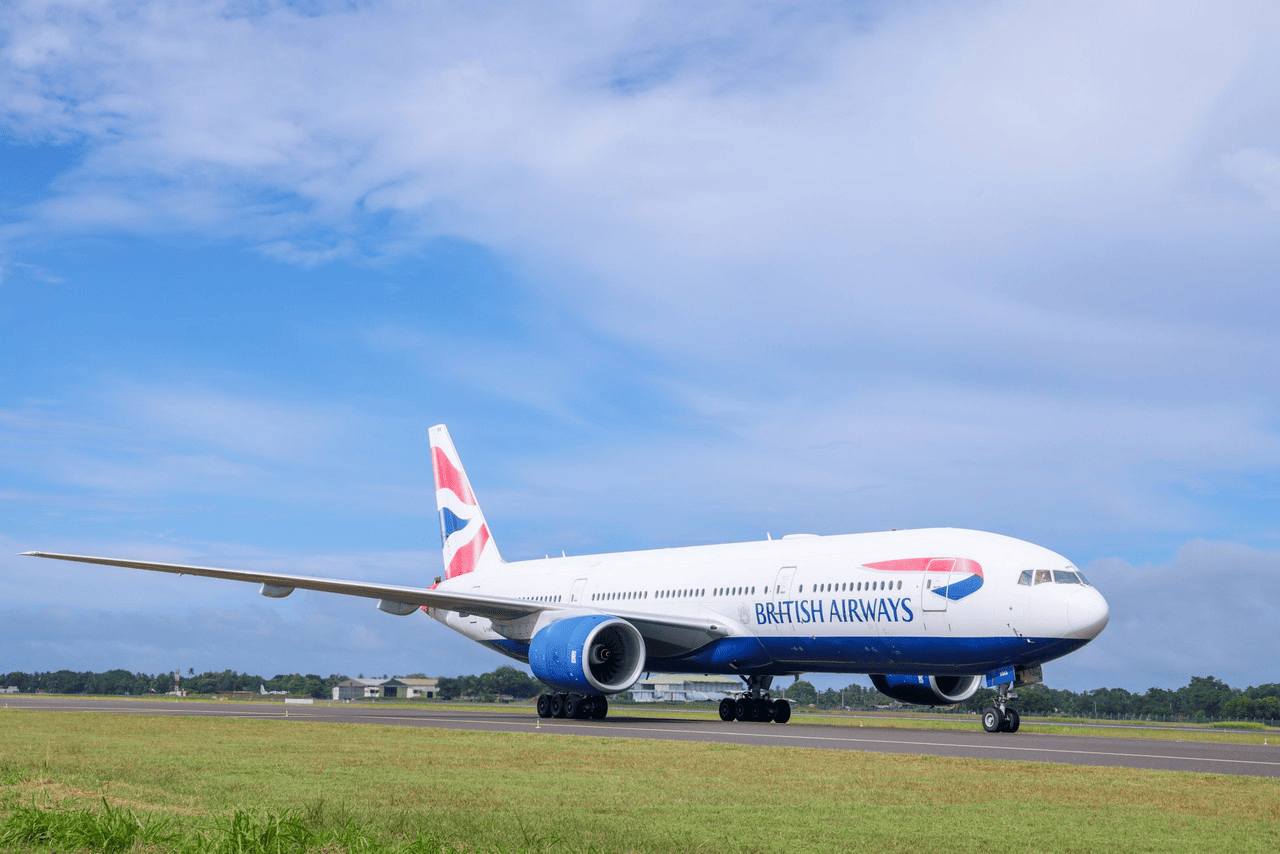
International Airlines Group (IAG), the parent of British Airways, saw its share price fluctuate on Friday, touching a high of 437p—its strongest level since August 24—before settling. The move came after the company released third-quarter financial results that highlighted resilience in demand but also the mounting pressure from elevated jet fuel prices.
For the September quarter, IAG reported revenue of €9.3 billion, a 4.5% increase year-over-year, driven by steady passenger demand and higher ticket prices. However, operating profit fell 15.9% to €1.72 billion, and profit after tax declined 12.2% to €1.23 billion. The primary culprit was the surge in jet fuel costs, which have climbed 112% from the same period last year, according to IATA data. The average jet fuel price reached $191.54 per barrel last week, up 3.8% from the previous month.

For the first nine months of the year, revenue totaled €25.8 billion, but profit after tax dropped to €2.2 billion. The company's management expects annual fuel costs to reach €8.9 billion, with analysts predicting that prices will remain elevated for the foreseeable future.
One mitigating factor is IAG's fuel hedging strategy, which contrasts with U.S. carriers like Delta and United Airlines. IAG is currently 45% hedged for next year, providing some buffer against volatility. The company also increased its dividend by 10% and is nearing completion of its €1.5 billion share buyback program announced earlier this year. IAG typically unveils its annual buyback plans in the first quarter.
CEO Luis Gallego commented: “Our strong yield performance in all our markets reflects robust ongoing customer demand for travel for our airline brands. For the quarter, we have achieved an operating margin before exceptional items of 17.7%, despite the very high price of jet fuel and a number of one-off disruption events, clearly demonstrating the quality of our business.”
Technical Analysis: Rangebound with Bearish Bias
On the daily chart, IAG's share price has been confined to a narrow trading range between 395p and 448p since mid-July. The stock is currently consolidating around its 50-day and 100-day exponential moving averages (EMAs), and it sits at the 38.2% Fibonacci retracement level. Additionally, the price is trading within the lower and middle lines of Andrew's pitchfork tool.
This technical setup suggests that the stock may continue to face downward pressure in the near term. A break below the 395p support could open the door to further declines, potentially targeting the 400p level, which has acted as a psychological floor. Conversely, a sustained move above 448p would signal a breakout and could attract fresh buying interest.
Investors will be watching upcoming economic data and oil price movements for clues on whether fuel costs will ease, which could provide a catalyst for IAG shares. The company's ability to maintain its dividend and buyback program while navigating cost pressures will be key to its valuation.
This article is for informational purposes only and does not constitute financial advice.