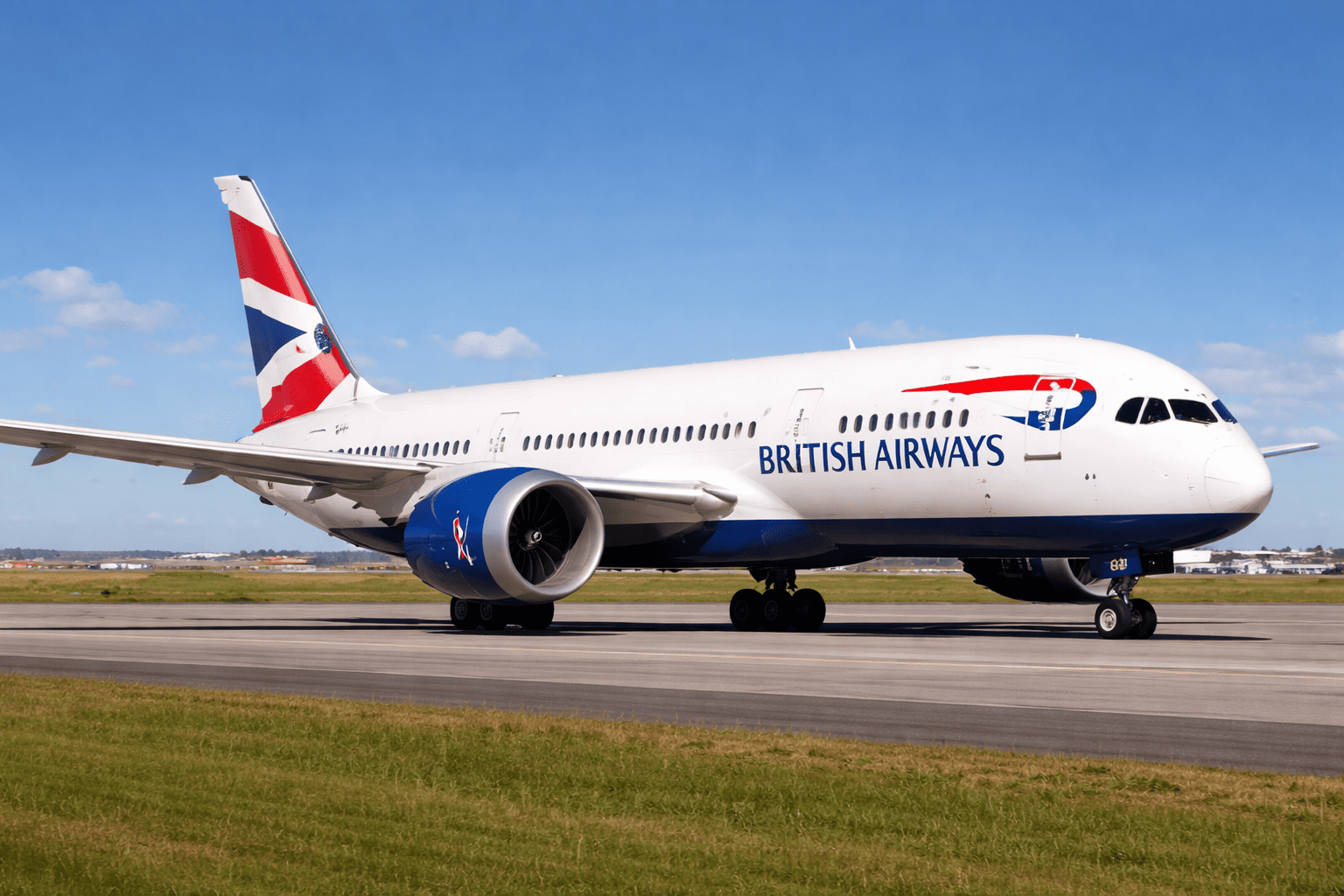
International Consolidated Airlines Group (IAG) shares have entered a technical correction, sliding 14.3% from their 2024 peak to around 432p in London, as surging jet fuel costs and renewed US-Iran hostilities weigh on investor sentiment. The parent company of British Airways and Aer Lingus now faces a critical test with its second-quarter earnings report due Friday.
The sell-off accelerated after crude oil prices spiked, with Brent and West Texas Intermediate both approaching $90 per barrel. According to IATA data, the weekly average jet fuel price has jumped 7.1% to $160 per barrel, representing a 23.9% month-over-month increase and a staggering 77.8% year-over-year rise. Fuel is typically one of the largest cost items for airlines, and IAG has responded with a combination of hedging strategies and fare increases across key routes.

The broader airline sector has felt the pinch. United Airlines recently warned that higher fuel prices would add nearly $6 billion to its expenses this year. However, IAG's hedging program may provide some insulation compared to US carriers that do not hedge. The company's first-quarter results showed revenue rose 1.9% to €7.18 billion, driven by transatlantic demand, while operating profit surged 77.3% as management noted limited impact from the Middle East conflict at that time.
Looking ahead to Friday's release, the consensus among 22 analysts is that IAG's operating profit fell to €1.36 billion in Q2 from €1.68 billion a year earlier, as fuel costs ate into margins. Investors will also scrutinize management's outlook on pricing power, capacity plans, and the trajectory of fuel expenses. The company's asset-light loyalty business, which posted 10% revenue growth in Q1, remains a bright spot and could help offset some pressure on the core airline operations.
From a technical perspective, the stock has slipped below its 50-day moving average, and the Relative Strength Index has fallen below the neutral 50 level, signaling bearish momentum. The next key support level sits around 400p, a drop of roughly 7% from current levels. A break below that could open the door to further downside, particularly if earnings disappoint or fuel costs continue to climb.
However, some analysts see potential for a rebound if the Middle East situation stabilizes and fuel prices ease. A return toward the 2024 high of 492p is possible in that scenario, though near-term headwinds remain significant. For context, BMW's recent earnings highlighted how margin compression is affecting industrials broadly, while gold's recent rebound underscores shifting macro sentiment that could also influence airline stocks.
Friday's earnings will be the key catalyst for IAG's near-term direction. Investors should watch for updates on fuel hedging positions, passenger yield trends, and any changes to capacity guidance. The stock's valuation, trading at roughly 6x forward earnings, may offer a margin of safety if the company can demonstrate resilience in the face of rising costs.
This article is for informational purposes only and does not constitute financial advice.

