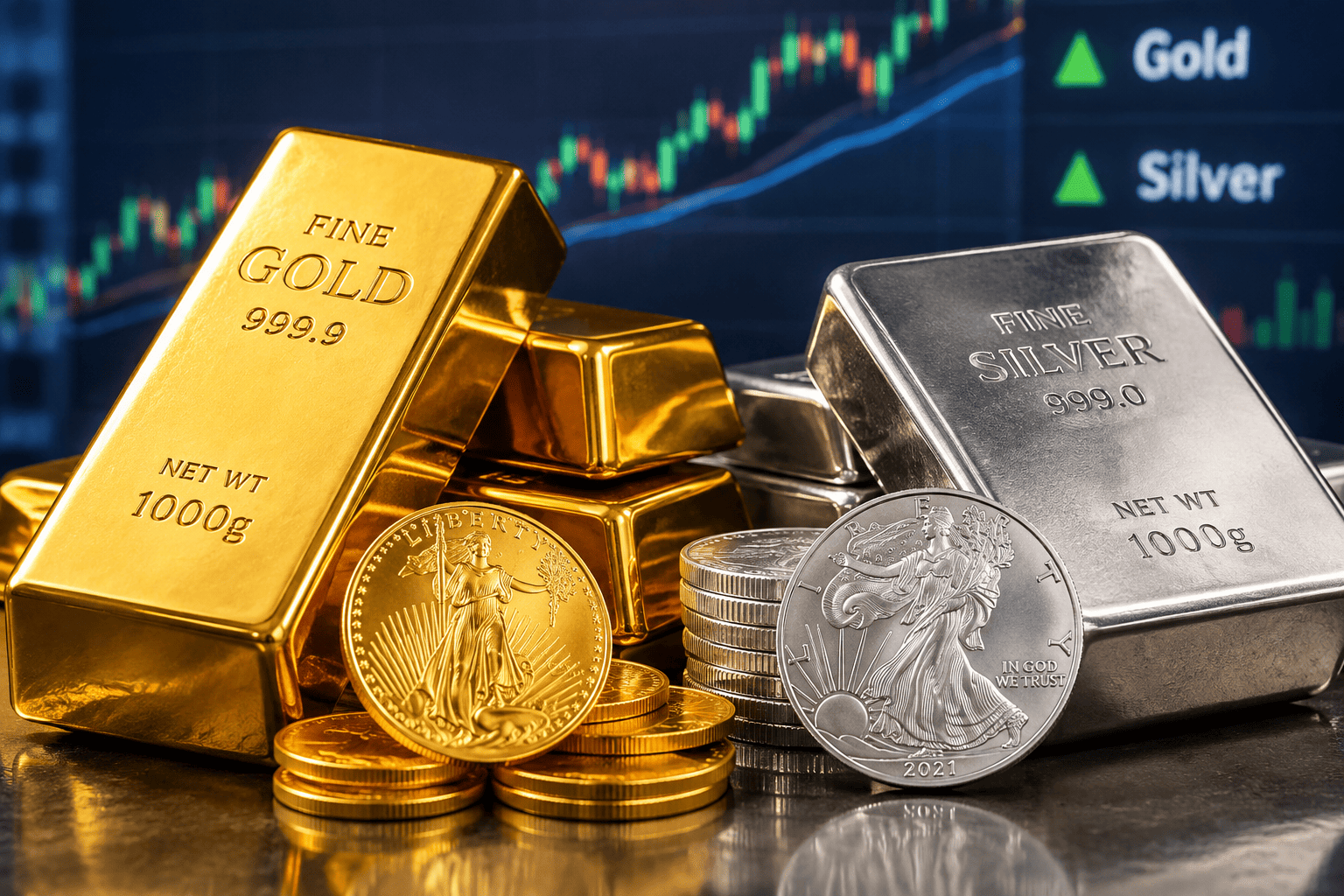
Gold prices extended their recovery on Thursday, buoyed by a shift in market expectations following the Federal Reserve's decision to keep interest rates unchanged. The move reduced bets on an imminent tightening cycle, though the metal's next leg hinges on upcoming US inflation data.
Spot gold rose 0.3% to $4,076.29 an ounce by 0245 GMT, building on Wednesday's 2% surge. August US futures climbed 1% to $4,073.60. The advance came after the Fed voted 9-3 to maintain the target range at 3.5% to 3.75%, with three policymakers favoring a quarter-point increase.

Fed hold weakens immediate rate threat
Chair Kevin Warsh reiterated the central bank's commitment to price stability but offered little clarity on what would trigger the next move. That ambiguity mattered more for gold than the hold itself, as markets interpreted his remarks as less urgent on the need to raise rates.
CME FedWatch pricing showed the probability of a September increase had fallen to about 63% from roughly 81% before the decision. Marex analyst Edward Meir said the market interpreted Warsh's remarks as less urgent than expected, helping bullion recover despite the Fed's continued concern over inflation.
Gold typically struggles when real yields rise because it offers no interest. A reduction in near-term tightening expectations can therefore support the metal even when policymakers maintain a hawkish inflation message.
PCE inflation becomes the next catalyst
Attention now turns to the June Personal Consumption Expenditures report, due alongside the advance estimate of second-quarter US gross domestic product. A firmer-than-expected inflation reading could rebuild September hike bets, lift Treasury yields and strengthen the dollar, making gold more expensive for overseas buyers and raising the opportunity cost of holding it.
A softer report would reinforce the post-Fed repricing and could help bullion consolidate above $4,000. The data will also test whether higher energy costs are beginning to spread beyond fuel. The Fed said inflation remained above its 2% goal partly because supply shocks had raised prices in sectors including energy.
Geopolitics offers support but may also lift yields
Fresh US strikes on Iranian targets have kept safe-haven demand alive, even as oil surrendered part of Wednesday's surge and Brent slipped below $90 a barrel. Tankers continued moving through parts of the region, limiting fears of an immediate collapse in supply.
That creates a difficult balance for gold. Escalation can attract defensive buying, but a renewed oil spike may also worsen inflation and push bond yields higher. TD Securities analysts see the latest rebound as vulnerable and believe bullion could drift towards $3,900 if the energy shock keeps rate expectations elevated.
The World Gold Council offers a more constructive medium-term view, saying weaker growth, renewed geopolitical stress or lower rate expectations could lift gold towards $4,500. For context, similar dynamics have played out in other markets, such as bitcoin's recent rebound on shifting macro sentiment.
Silver rose 0.4% to $57.86, palladium gained 1.5% to $1,264.49 and platinum slipped 0.6% to $1,602.34. Investors are also watching energy stocks for clues on how geopolitical risks may spill over into broader markets.
This article is for informational purposes only and does not constitute financial advice.