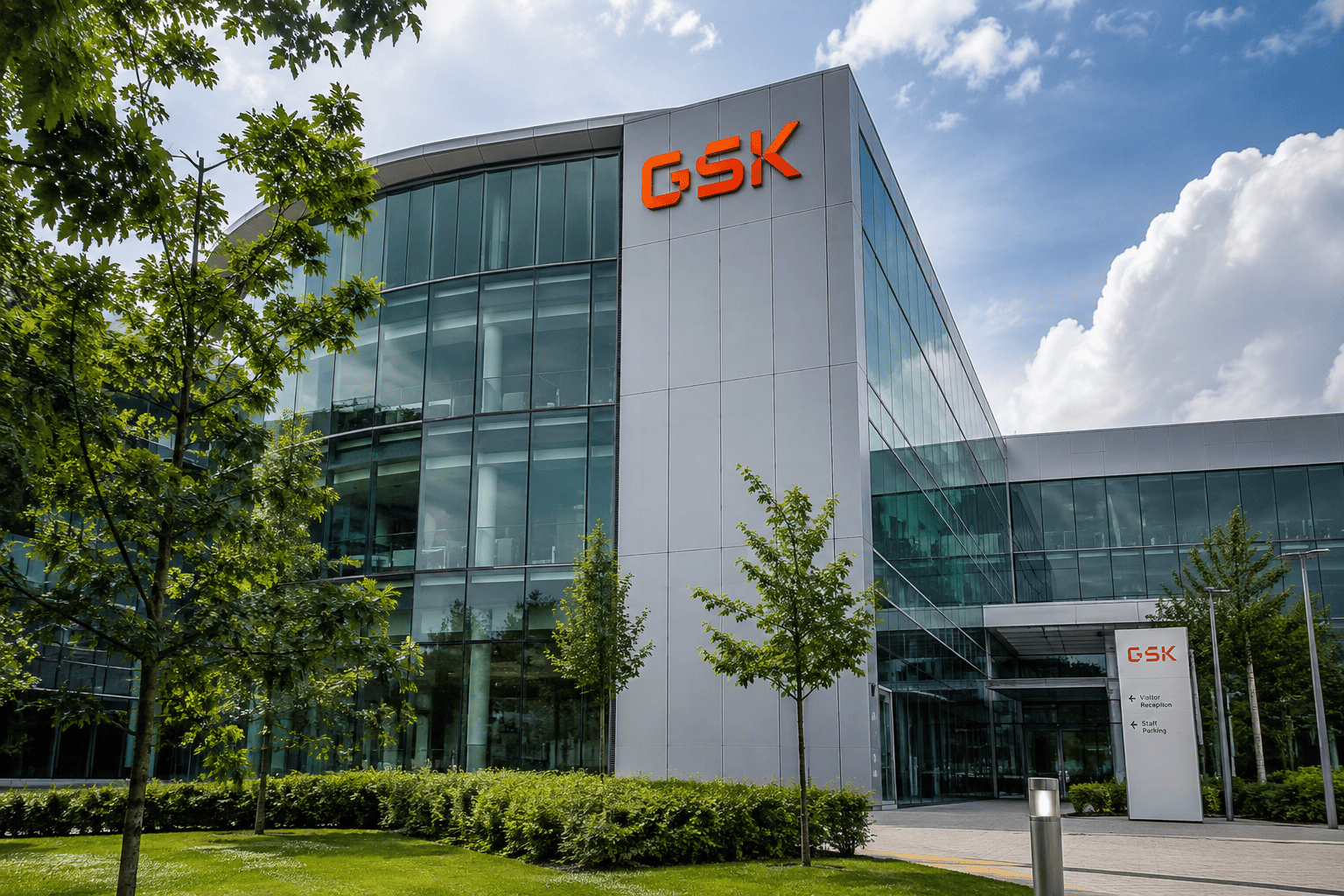
GlaxoSmithKline (GSK) announced on Tuesday its largest oncology acquisition in years, agreeing to buy U.S.-based cancer drug developer Nuvalent for $10.6 billion. The deal is aimed at bolstering GSK's lung cancer pipeline and offsetting upcoming patent expirations in its HIV portfolio. However, investors reacted skeptically, sending GSK shares down approximately 3% in early trading, making it one of the weakest performers on the FTSE 100. In contrast, Nuvalent shares surged nearly 38% in premarket trading in the United States.
Deal Details and Strategic Rationale
Under the terms of the agreement, GSK will launch a cash tender offer of $124 per share for Nasdaq-listed Nuvalent, representing a roughly 40% premium to the stock's closing price on Monday. After accounting for Nuvalent's cash holdings, GSK's net investment is expected to be approximately $9.4 billion. The acquisition provides GSK with access to three experimental lung cancer treatments, including two late-stage candidates currently under review by the U.S. Food and Drug Administration (FDA), with regulatory decisions expected later this year.

GSK expects the deal to contribute to revenue growth and strengthen core operating profit starting next year. The company also highlighted that the acquisition would help cushion the impact of patent expirations for dolutegravir, a key HIV treatment, between 2028 and 2030. The transaction remains incremental to GSK's broader target of generating more than £40 billion ($53.4 billion) in annual sales by 2031.
Oncology as a Growth Pillar
The acquisition marks another step in GSK's effort to rebuild its oncology business after exiting the sector more than a decade ago. In 2015, GSK completed a major asset swap with Novartis, selling its oncology division in exchange for Novartis' vaccines business. Since then, GSK has steadily rebuilt its cancer portfolio through acquisitions of companies such as Tesaro, Sierra Oncology, and IDRx.
Chief Executive Luke Miels described the company's approach as a gradual rebuilding process. "Our strategy has been a brick-by-brick building approach," Miels told reporters. Unlike many of GSK's recent acquisitions, which focused on single-product companies, the Nuvalent deal brings multiple assets under one transaction. Miels said the acquisition remains consistent with GSK's strategy of targeting companies with validated science that address shortcomings in existing treatments.
Investor Skepticism Over Premium and Risks
Despite the strategic rationale, analysts pointed to concerns over the size of the investment and the risks attached to Nuvalent's pipeline. Russ Mould, investment director at AJ Bell, noted that investors appear wary of the hefty premium and the fact that the two key lung cancer products still await regulatory approval. "In rolling the dice on such a big transaction, he is undoubtedly taking a risk," Mould said.
Victoria Scholar, head of investment at Interactive Investor, echoed those concerns, noting that the deal is significantly larger than most of GSK's previous acquisitions. "GSK shares are down around 3% today, reflecting the fact that this is a mammoth deal even by GSK's standards," Scholar said. She added that the acquisition dwarfs previous oncology deals such as Tesaro and Sierra Oncology and carries execution risks given the reliance on regulatory approvals and future commercial success.
The market's cautious response also reflects broader sentiment in the pharmaceutical sector, where large M&A deals often face scrutiny over pricing and integration challenges. For context, the FTSE 100 dipped 0.2% on the same day amid geopolitical tensions, but GSK's underperformance stood out.
Growth Potential vs. Near-Term Concerns
Despite investor caution, analysts acknowledged that GSK is securing a substantial oncology pipeline through a single transaction. The company believes the acquisition will begin contributing to sales growth and earnings expansion from next year without disrupting its dividend policy. Miels said GSK would need time to integrate Nuvalent but stressed that the company would retain the financial flexibility to pursue additional opportunities if attractive assets emerge.
For investors tracking the broader market, the deal comes amid a period of heightened volatility across sectors. For instance, Nasdaq futures jumped 150 points on the same day, driven by a PayPal takeover bid and ASML's outlook, highlighting the contrasting dynamics in tech versus pharma.
This article is for informational purposes only and does not constitute financial advice.