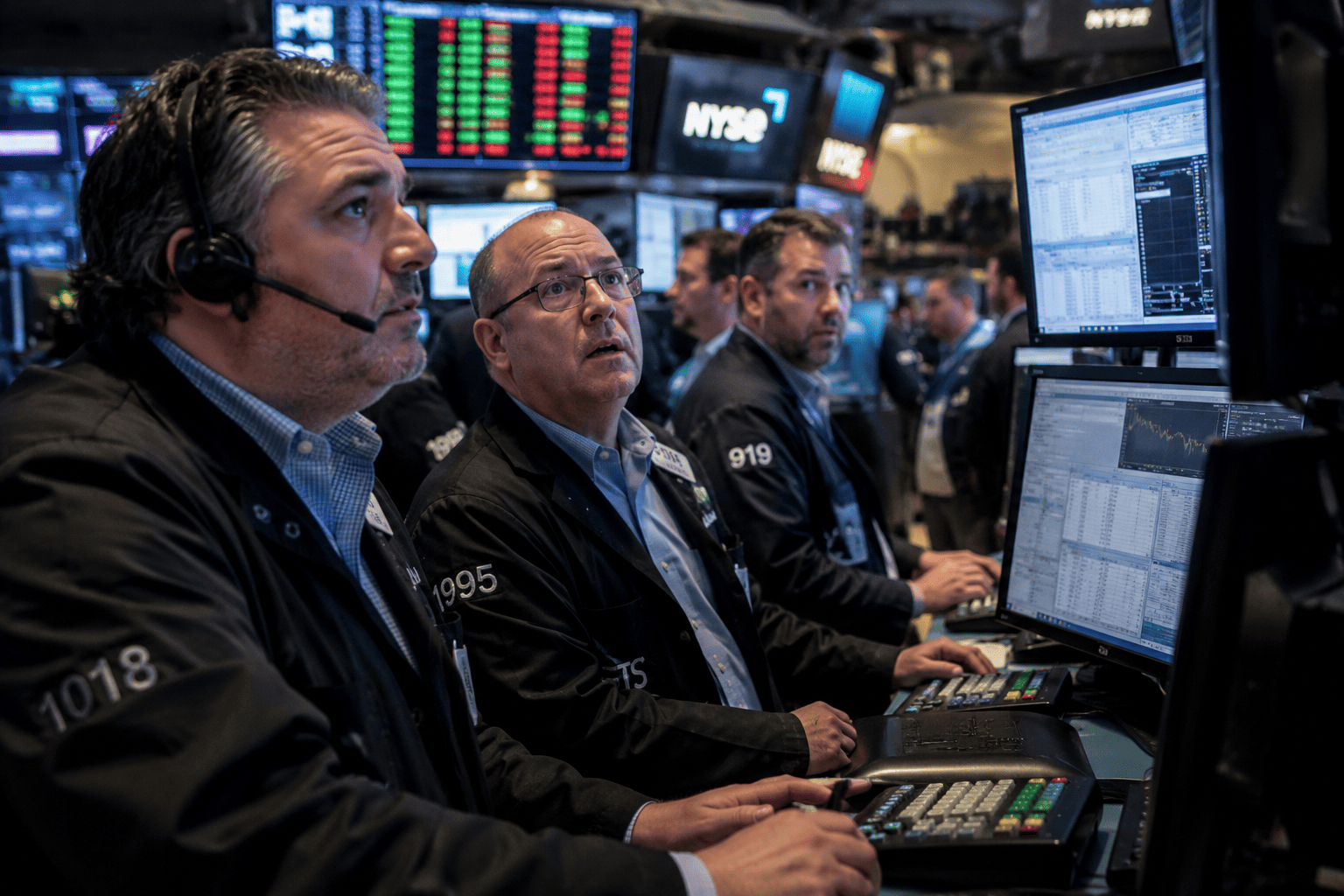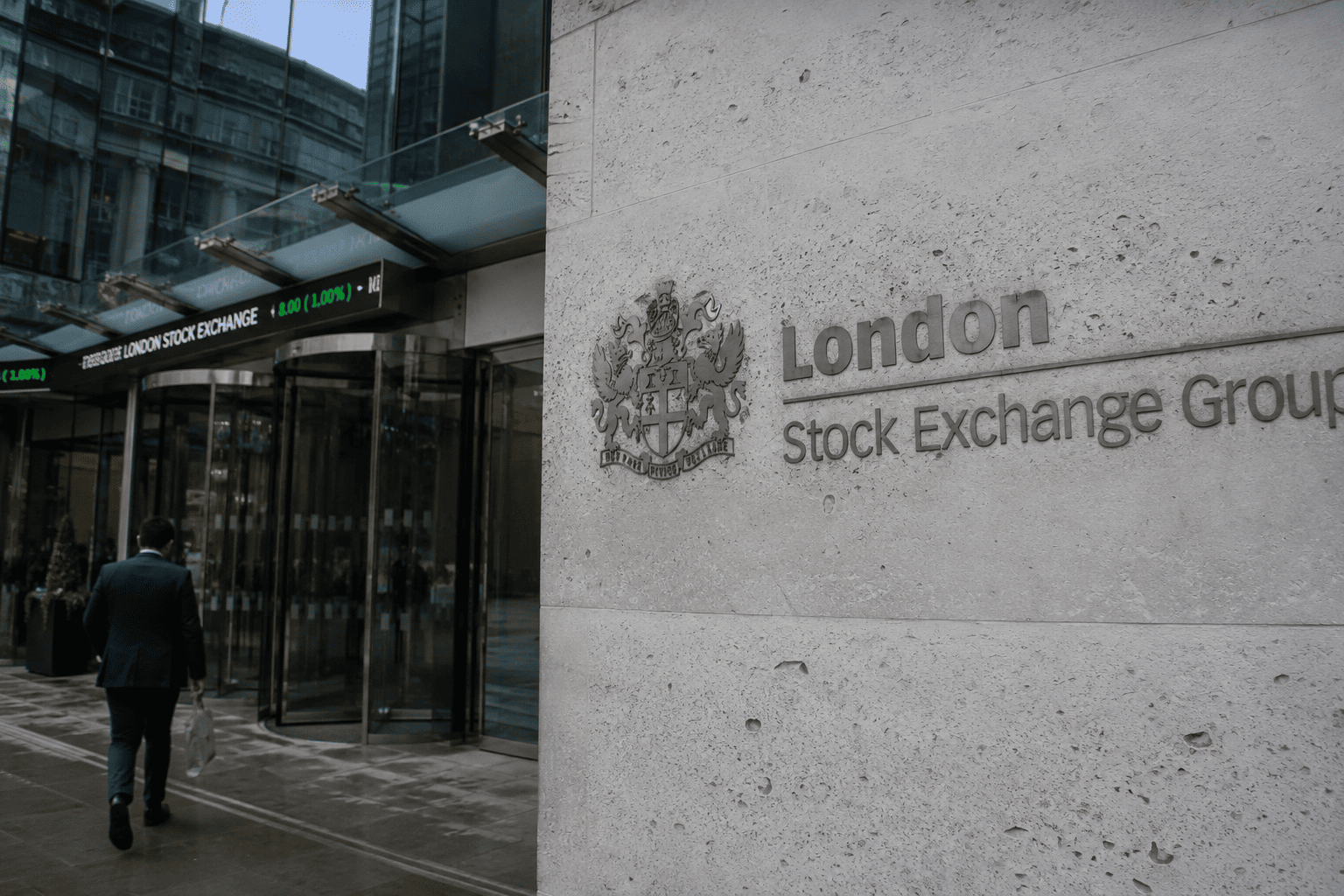
London's blue-chip FTSE 100 index edged lower on Thursday, declining 0.2% to 10,492.99 points by mid-morning, as escalating geopolitical tensions between the United States and Iran dampened risk appetite across global markets. The dip came despite a modest gain in the domestically oriented FTSE 250, which rose 0.3%, supported by a sharp rally in Rotork shares following a major acquisition announcement.
Geopolitical Risks Weigh on Sentiment
Investor confidence weakened after Iran declared the Strait of Hormuz an inviolable red line, responding to U.S. President Donald Trump's threat to attack Iranian infrastructure. Iran warned it would strike all infrastructure across the Gulf region if the threat were carried out, prompting a cautious stance among traders and contributing to broad weakness in European equities. The developments underscore the fragile geopolitical backdrop that has kept markets on edge, as highlighted in recent coverage of FTSE 100 Slips 0.1% as Middle East Tensions Offset Energy Rally.

Technology Stocks Lead Declines
Technology shares were among the biggest drags on the FTSE 100. Experian fell 2.3% after reporting first-quarter results that met expectations and reaffirming its annual outlook, while RELX shed 1% during the session. The weakness in the sector added significant pressure to the benchmark index, offsetting gains elsewhere.
Midcaps Outperform on Rotork Surge
The FTSE 250 outperformed the blue-chip index, buoyed by a 66.8% surge in Rotork shares. The rally followed Swiss engineering group ABB's announcement that it would acquire the British automation company in a deal valued at $5.5 billion. The takeover provided a substantial boost to midcap stocks, highlighting continued investor interest in companies supported by corporate deal activity. This dynamic mirrors trends seen in other markets, such as the Kospi Surges 7% as US Inflation Drop Sparks Broad Asia Rally, Chip Stocks Lead.
UK Economy Shows Modest Growth
Economic data released on Thursday revealed that Britain's economy recorded only minimal growth in May, driven by expansion in the services sector while other areas contracted. The figures suggest business confidence remains fragile amid ongoing geopolitical uncertainty and domestic political changes following a change of prime minister.
Ocado Plunges to 13-Year Low
Among individual stocks, Ocado was one of the worst performers, with shares tumbling 18.8% to their lowest level in 13 years. The decline came after the company failed to demonstrate tangible progress in discussions aimed at securing new U.S. partners, which investors viewed as a setback for its efforts to compete with rapid delivery companies. Elsewhere, Frasers Group fell 5.4% after declining to provide a fiscal 2027 outlook.
Broader Market Context
The mixed session reflects the delicate balance between geopolitical risks and corporate developments. While the FTSE 100 remained under pressure from technology losses and Iran tensions, the FTSE 250's gain underscored selective investor appetite for stocks with clear catalysts. For context, recent data showing US CPI Drops 0.4% in June as Energy Costs Plunge, but Geopolitical Risks Loom has also influenced global market dynamics.
Overall, the day's trading highlighted how geopolitical concerns and company-specific disappointments can weigh on blue-chip indices, even as midcap stocks benefit from deal activity. Investors will continue to monitor developments in the Middle East and corporate earnings for further direction.
This article is for informational purposes only and does not constitute financial advice.