
Gold's Changing Market Behavior
Recent market analysis suggests gold's traditional role as a safe-haven asset may be evolving. According to economist Robin Brooks of the Brookings Institution, the precious metal has been behaving more like a high-beta asset over the past six weeks, amplifying market selloffs rather than providing insulation from them. This shift challenges long-held investor assumptions about gold's defensive characteristics during periods of geopolitical or financial stress.
Performance Divergence From Traditional Hedges
Brooks, formerly chief economist at the Institute of International Finance and chief FX strategist at Goldman Sachs, noted that gold has declined approximately 10% since the outbreak of conflict involving Iran, while the S&P 500 fell less than 1% during the same period. This performance divergence suggests gold has not served as an effective risk hedge during recent market turbulence. "You're not much of a risk hedge if you sell off harder than the S&P 500 in a bad shock," Brooks observed in a recent market commentary.
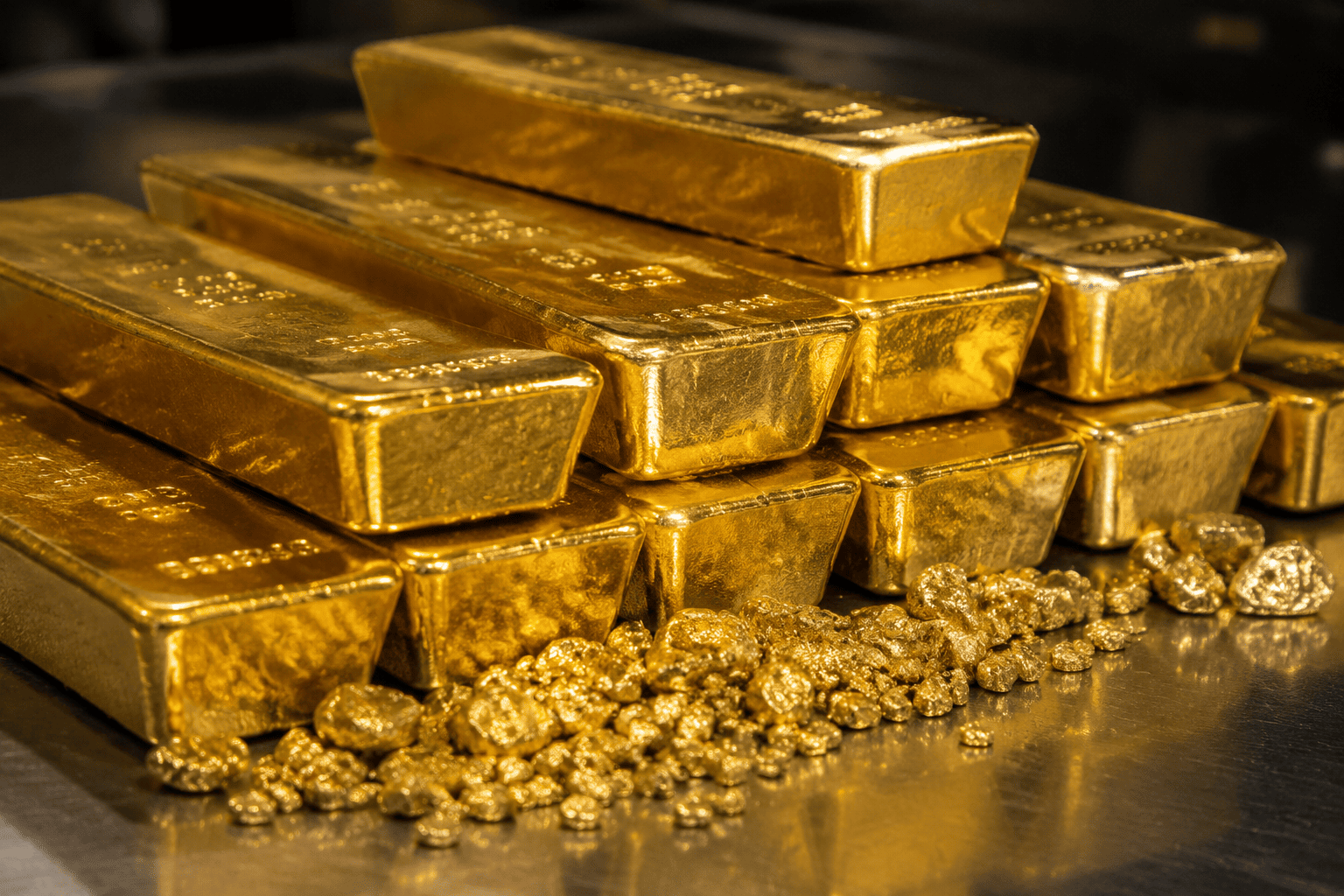
Explaining the Shift in Dynamics
Brooks examined several theories to explain gold's changing market behavior. While some market participants speculated that emerging market central banks were selling gold reserves, data indicates this was primarily limited to Turkey, where holdings decreased by 128 tons to support foreign exchange reserves defending the lira. Turkey's unique monetary policy approach represents an outlier rather than a broader trend among emerging market economies.
A more compelling explanation centers on the composition of recent gold buyers. According to Brooks, the substantial rally in gold prices over the past year—what he terms the 'debasement trade'—attracted new market participants who proved more sensitive to negative developments. These nervous buyers may be quicker to exit positions during market stress, contributing to gold's high-beta characteristics. This influx of speculative interest has potentially contaminated gold's traditional safe-haven status.
Recent Price Movements and Influencing Factors
Despite these behavioral concerns, gold prices recently climbed above $4,800 per ounce on COMEX, reaching a session high of $4,819.75. This upward movement coincided with a weaker U.S. dollar, which fell to its lowest level in over a month amid diplomatic developments between the U.S. and Iran. A softer dollar typically makes gold more affordable for holders of other currencies, supporting price appreciation.
Market sentiment also improved as oil prices retreated below $100 per barrel following indications of potential diplomatic negotiations. Lower crude prices alleviate inflation concerns, which paradoxically affects gold's appeal. While gold is traditionally viewed as an inflation hedge, expectations of sustained higher interest rates can diminish demand for non-yielding assets. Commodity analyst Carsten Fritsch of Commerzbank AG noted that limited expectations for additional Federal Reserve rate cuts this year may constrain gold's downside potential.
Broader Market Context and Implications
The evolving relationship between gold and traditional risk assets presents important considerations for portfolio construction. If gold continues to demonstrate high-beta characteristics, its utility as a diversifier during equity market declines may be diminished. This development occurs alongside other significant market movements, including fluctuations in the U.S. dollar's valuation and shifting dynamics in other commodity markets.
Brooks suggested that gold may eventually return to its traditional safe-haven role once what he describes as the 'debasement' crowd exits the market. This normalization would depend on the composition of gold ownership shifting back toward longer-term holders less sensitive to short-term market fluctuations. Meanwhile, silver demonstrated different characteristics, rising 2.8% to $77.768 per ounce during the same period gold exhibited high-beta behavior.
This article is for informational purposes only and does not constitute financial advice.