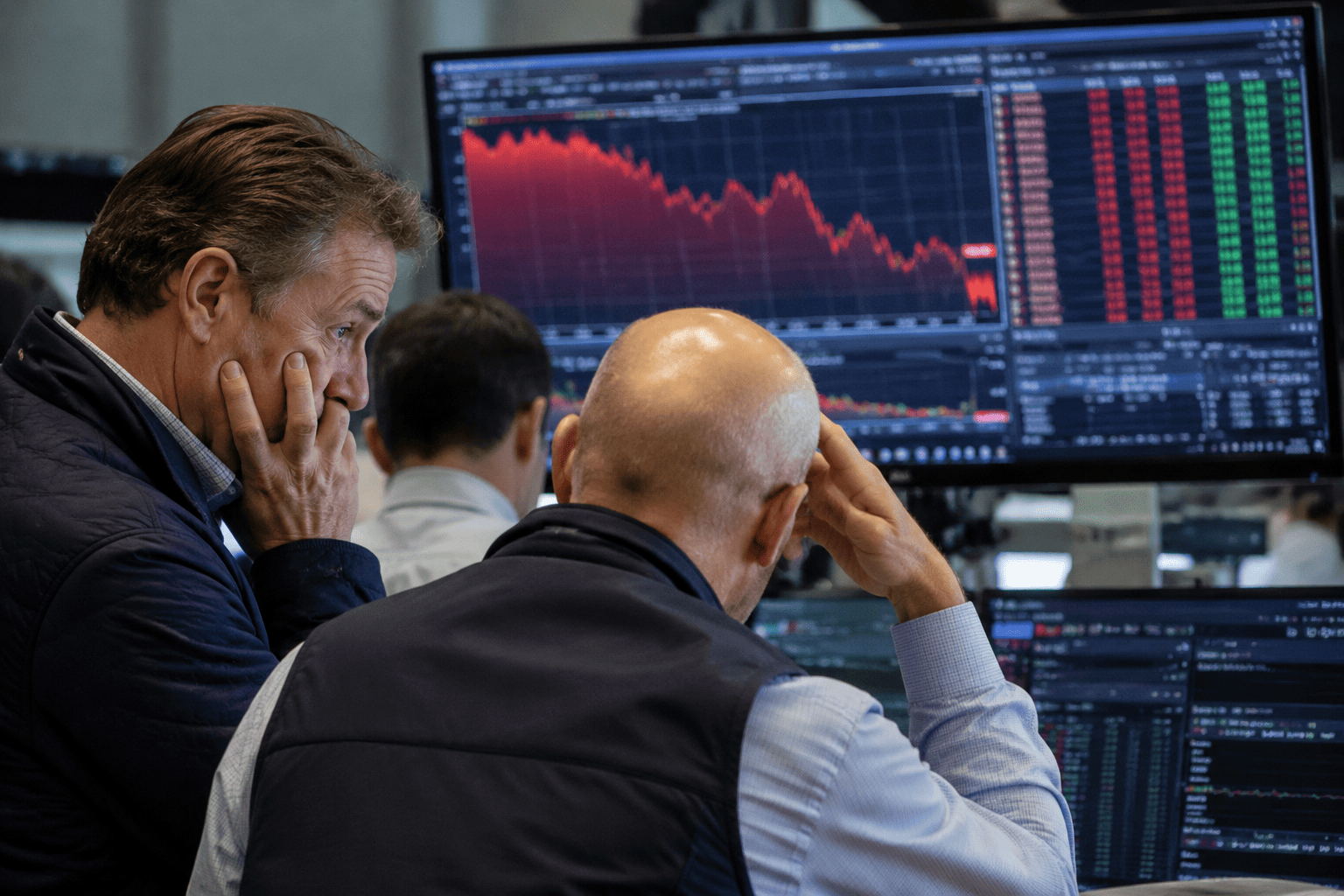
London's benchmark stock indexes dropped to their lowest levels in over a week on Tuesday, as a combination of hawkish interest rate expectations, renewed political uncertainty, and weak domestic economic data weighed on investor sentiment. The blue-chip FTSE 100 declined 0.7% to its weakest point since June 12, while the domestically focused FTSE 250 fell 1.8%, hitting levels not seen since June 10.
Rate Hike Expectations Intensify
Investors grew increasingly cautious as markets priced in a more aggressive tightening path from both the Federal Reserve and the Bank of England. Under new Fed Chair Kevin Warsh, traders now anticipate roughly two 25-basis-point rate hikes by year-end, up from just one earlier this month. In the UK, LSEG data shows markets are pricing in at least one 25-basis-point increase from the Bank of England in December. The prospect of higher borrowing costs on both sides of the Atlantic has dampened risk appetite, particularly for growth-sensitive sectors. For more on the broader impact of hawkish Fed bets, see Dollar Holds Firm Near 101 as Hawkish Fed Bets Rise.

Mining Stocks Lead Declines
Heavyweight mining shares were the worst performers of the session, as prices of gold, silver, and copper retreated. Precious and industrial metal miners each fell around 5%, leading sectoral losses. Among the biggest drags on the FTSE were Antofagasta, which dropped 6.5%, and Fresnillo, which declined 5.6%. The selloff in commodity-linked stocks reflected a broader shift away from risk-sensitive assets amid tightening monetary policy expectations. This weakness in mining counters added to the overall pressure on equities, with global markets struggling to maintain momentum.
Defensive Sectors Buck the Trend
Despite the broad-based decline, a few defensive sectors managed to advance as investors sought relative safety. Healthcare, pharmaceutical, and consumer staples stocks all rose more than 1%, outperforming the market. These sectors are typically more resilient during periods of economic uncertainty, as demand for their products remains relatively stable. However, their gains were insufficient to offset the heavy losses elsewhere.
Political Uncertainty Adds Pressure
Domestic politics remained firmly in focus following Prime Minister Keir Starmer's resignation on Monday. Attention has shifted to the leadership race, with Andy Burnham widely expected to become the next prime minister after receiving an endorsement from former health minister Wes Streeting. Investors are closely watching Burnham's fiscal stance, especially as Britain's public debt has climbed to nearly 100% of economic output. This backdrop has complicated policymaking for successive governments and remains a key concern for financial markets assessing the outlook for fiscal discipline. The political uncertainty comes at a fragile moment for the economy, as fresh data released Tuesday showed the UK services sector contracted in June at the fastest pace in nearly three-and-a-half years. For further context on how geopolitical and political risks are affecting UK markets, see FTSE 100 Flat, FTSE 250 Slides as Geopolitical and Political Risks Weigh.
Stock Movers: Bunzl Rises, Telecom Plus Plunges
Among individual stocks, business supplies distributor Bunzl was a standout gainer on the FTSE 100, rising 3% after lifting its annual revenue growth outlook. The company cited a strong first half driven by robust demand in North America and selective price increases. In contrast, Telecom Plus tumbled 24%, making it one of the day's sharpest fallers. The utility group said its new five-year investment plan would cut near-term profits as it responds to intensifying competition in the UK market. These contrasting moves highlight how company-specific updates continue to drive sharp swings, even as broader macroeconomic and political concerns dominate overall market direction.
This article is for informational purposes only and does not constitute financial advice.