South Korea's two largest memory-chip makers are diverging sharply in the stock market, with Samsung Electronics edging higher on Friday while SK Hynix extended a steep decline. The split underscores how the country's artificial-intelligence boom is now offering two distinct investment profiles with different risk-reward dynamics.
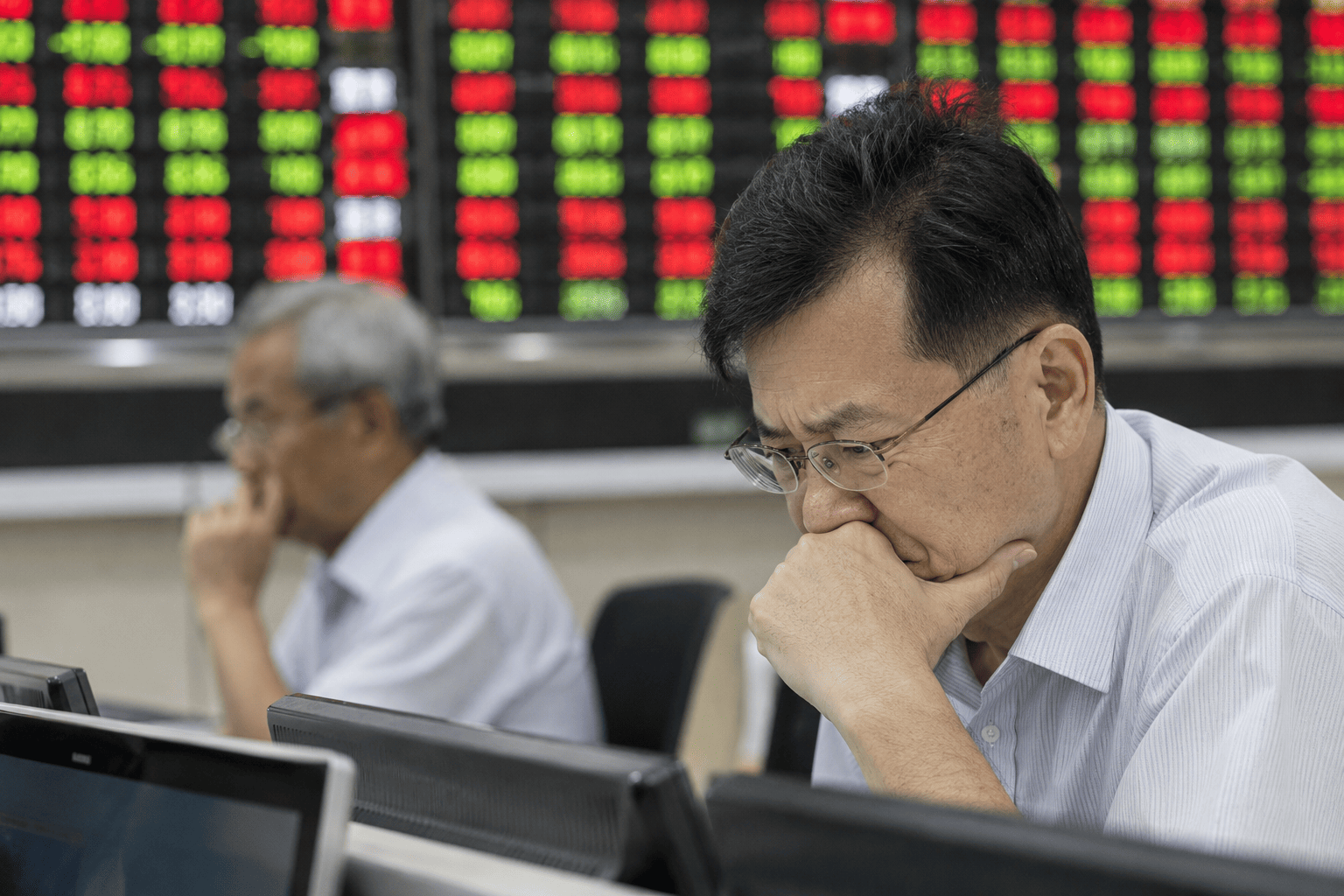
By late morning in Seoul, Samsung was up roughly 0.8%, while SK Hynix fell nearly 5%, adding to Thursday's 10.4% plunge. Samsung had lost 6.3% in that session, dragging the Kospi down 4.6%. The divergent moves suggest investors are not abandoning Korean memory chips but rather rotating toward Samsung's cheaper, more diversified earnings base while trimming exposure to SK Hynix's pure-play AI sensitivity.
Samsung emerges as the lower-risk recovery play
Samsung has trailed SK Hynix in advanced high-bandwidth memory (HBM) products, but that lag has left fewer heroic assumptions embedded in its valuation. Its earnings span conventional memory, smartphones, displays, consumer electronics, and foundry operations, reducing dependence on any single part of the AI infrastructure cycle. That broader base becomes attractive when investors cut risk, allowing bargain hunters to retain exposure to tight DRAM supply and rising memory prices without accepting the same sensitivity to Nvidia orders or changes in Big Tech capital expenditure.
Samsung is also seeking longer supply agreements with major memory customers, which could improve earnings visibility and place firmer floors beneath pricing. The company said this week it was exploring sustainable ways to improve shareholder returns and expected to provide details soon. Investors are watching for progress on that front, as cash piles near $263 billion have fueled demands for higher payouts.
SK Hynix remains the purer, more volatile AI bet
SK Hynix still holds the stronger claim on the industry's most valuable niche. William Blair analyst Sebastien Naji called it the "memory leader for the AI era," reflecting its dominant HBM position alongside leading AI accelerators. That leadership creates greater earnings upside while demand and pricing remain strong, but it also makes the shares more vulnerable whenever investors question whether hyperscalers can sustain extraordinary infrastructure budgets or whether the HBM shortage will encourage excessive capacity.
Friday's weakness followed a disruptive Thursday session. A trade worth only 12.8 million won, or roughly $9,000, briefly sent SK Hynix down 30% on the Nextrade platform before the price recovered. The shares still ended around 10% lower. Société Générale strategist Manish Kabra told MarketWatch that the largest phase of Korea's deleveraging was nearly complete, which may reduce another forced liquidation but does not guarantee investors have finished trimming crowded SK Hynix positions.
One memory boom, two different trades
The longer-term industry argument remains supportive for both companies. Goldman Sachs analysts said the memory cycle was likely to be stronger and last longer than previous upturns, citing accelerating AI-computing demand and severe supply constraints. Investors, however, are assessing that outlook differently. Samsung offers diversification, valuation recovery, and the possibility of stronger payouts, while SK Hynix offers clearer HBM leadership and more direct exposure to the most profitable part of the AI buildout, alongside greater volatility.
Both companies face the same risks: weaker hyperscaler spending, faster capacity growth, and disappointing shareholder returns. Investors will watch HBM order visibility, Samsung's progress in advanced memory, and the companies' capital-allocation plans. The recent swings in Korean AI chip stocks have been amplified by leverage, as margin calls and forced selling have exacerbated moves. Meanwhile, broader market sentiment has been buoyed by hopes of easing Middle East tensions, with the Dow climbing as geopolitical optimism offset tech selloffs.
For investors, the choice between Samsung and SK Hynix now hinges on whether they prefer a diversified recovery play or a high-octane pure-play on AI memory. Both remain leveraged to the same underlying cycle, but the risk profiles have never been more distinct.
This article is for informational purposes only and does not constitute financial advice.