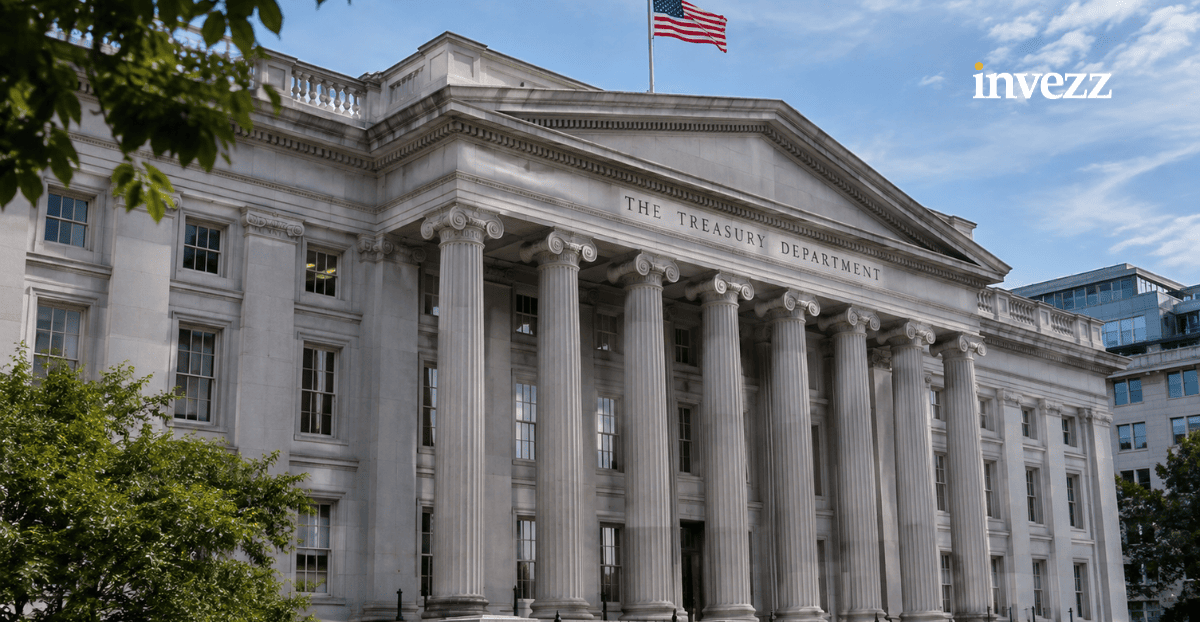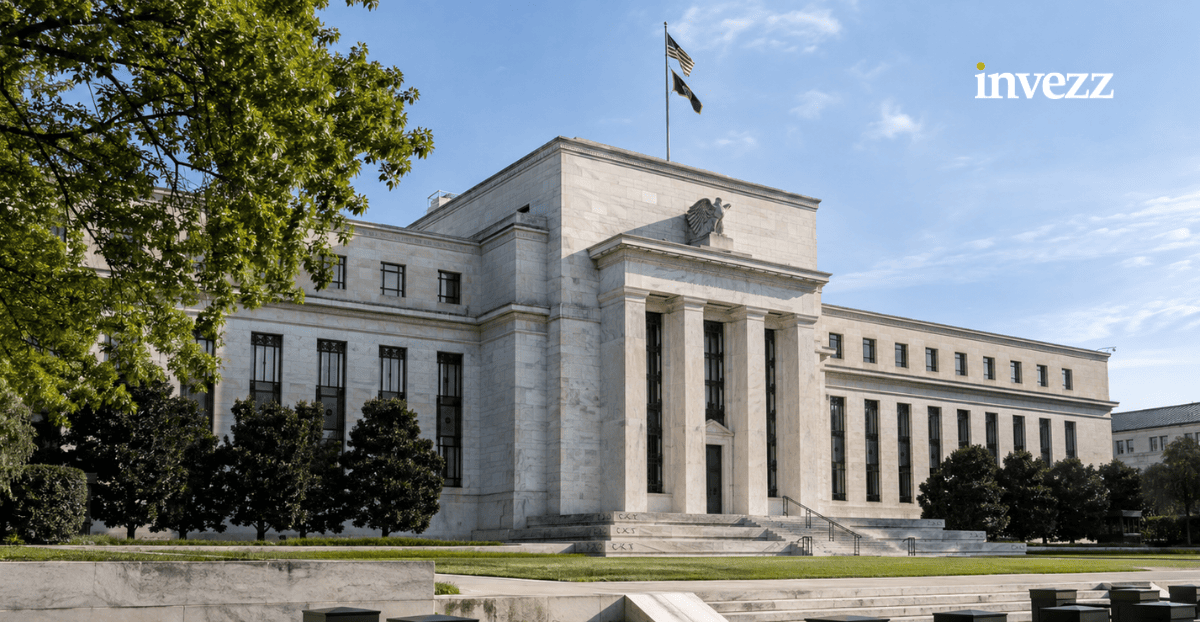
Federal Reserve policymakers are increasingly concerned that the rapid expansion of artificial intelligence infrastructure and broad-based inflation pressures could necessitate further interest rate increases, according to comments from two regional bank presidents on Monday.
Chicago Fed President Austan Goolsbee and Richmond Fed President Tom Barkin both signaled that the central bank may need to tighten monetary policy further, even as the economy shows resilience. Their remarks add to a growing debate within the Fed about how to balance inflation control with potential risks to economic growth.
AI Investment Resembles Demand Overheating
Goolsbee, speaking at an event in Chicago, said the massive build-out of AI data centers is beginning to look like "old-fashioned demand overheating" rather than a productivity-driven investment boom. He noted that central banks typically need to respond aggressively when an economy starts to overheat, suggesting that the scale of AI-related spending could add to inflationary pressures.
The Chicago Fed chief pointed to rising service prices and other cost pressures that are spreading across the economy, beyond just energy and tariffs. He said inflation, rather than weakness in employment or growth, remains the main economic concern. Goolsbee does not vote on monetary policy this year but is scheduled to become a voting member of the Federal Open Market Committee in 2027.
Barkin Urges Caution but Supports Further Hikes
Richmond Fed President Tom Barkin, speaking in South Carolina, described price pressures as "stubbornly elevated" and indicated that further monetary tightening could be appropriate. However, he cautioned that policymakers should proceed carefully due to risks to economic demand.
"The appropriate direction of monetary policy is relatively straightforward," Barkin said. "However, risks to the demand outlook remain easy to envision. Because of that, it is wise to move policy with care."
Barkin noted that businesses are increasingly feeling pressure to pass higher costs onto customers, including expenses for gasoline, diesel, computer chips, and health insurance. He said some companies are seeing their profit margins squeezed and are actively considering whether they can raise prices to offset those costs.
"I've talked to a lot of businesses who do feel their margins are squeezed and are looking to the question of whether they can pass it on or not. That's a very live conversation right now," he said.
Rate Outlook Remains Inflation-Focused
The comments from Goolsbee and Barkin add to signals that some policymakers favor additional rate increases. The Fed left rates unchanged last month after raising them in September, and median projections from policymakers suggest most officials expect at least one more hike this year to bring inflation back toward the 2% target.
Inflation has remained above target for more than five years and has broadened in recent months, partly due to higher energy prices linked to the Iran conflict. Barkin also questioned whether opposition to data center construction would significantly slow AI infrastructure investment, noting that "it's a big country" and companies will likely find willing counties to host their facilities.
This article is for informational purposes only and does not constitute financial advice.