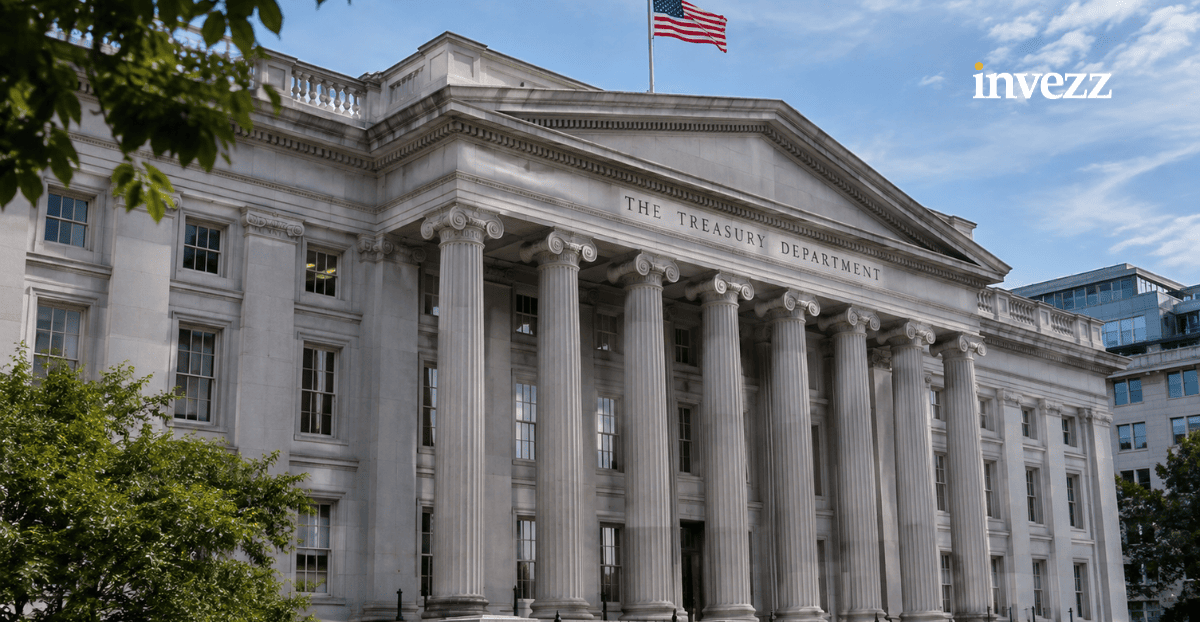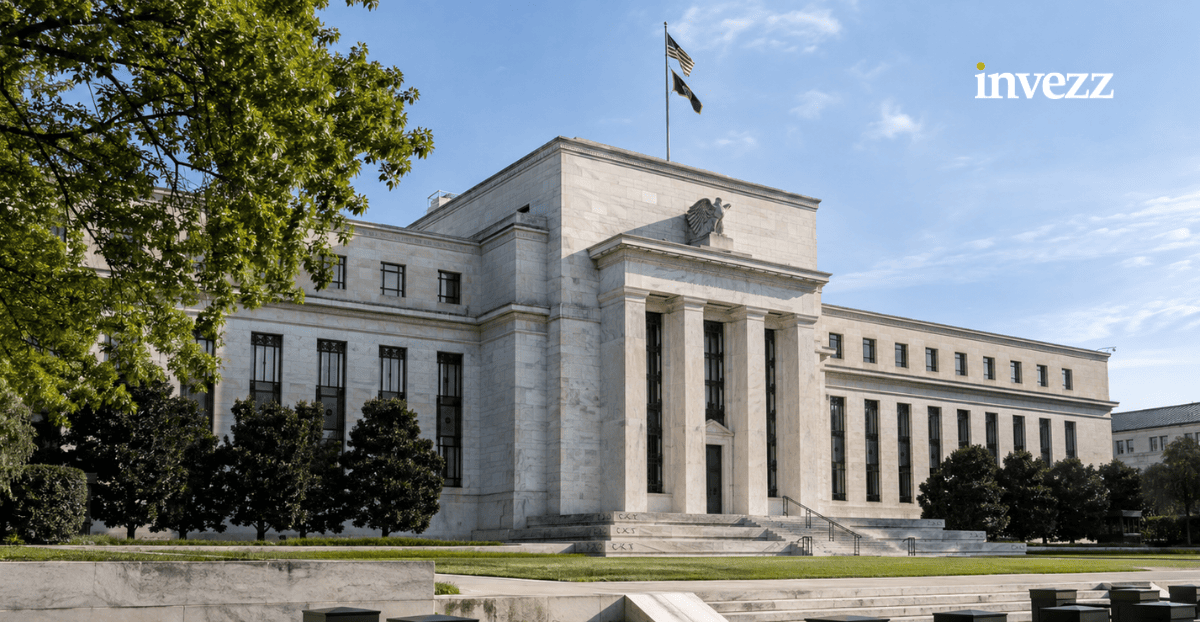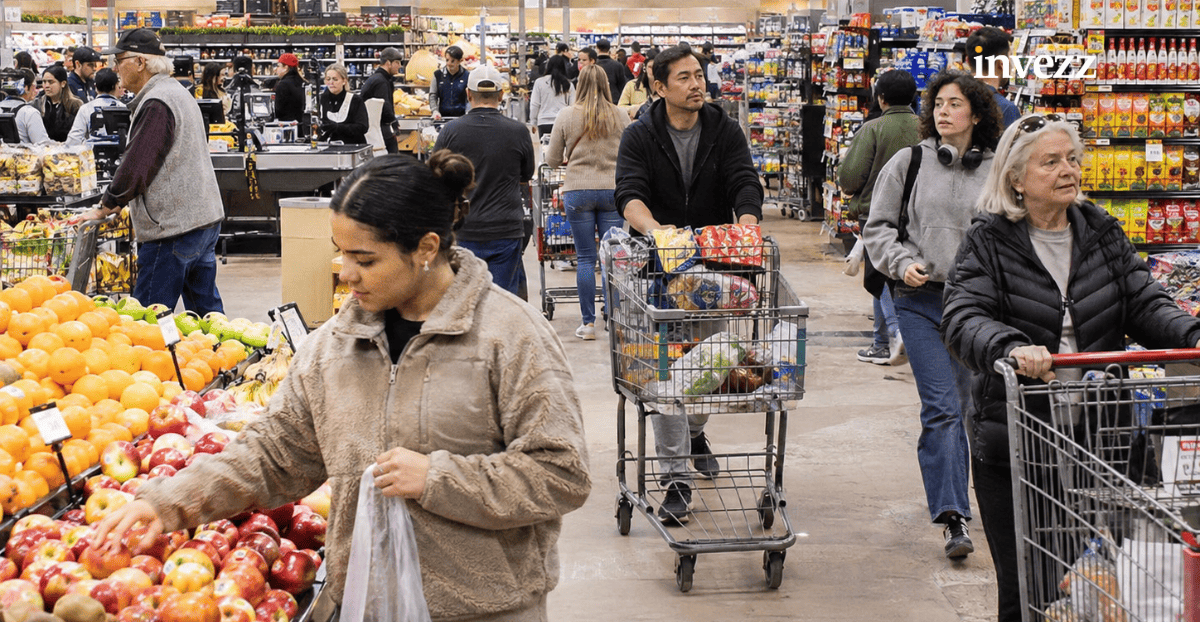
US consumer prices rose more than expected in October, intensifying speculation that the Federal Reserve may opt for a larger rate hike at its December meeting. The Consumer Price Index (CPI) increased 0.4% on a seasonally adjusted basis, according to the Bureau of Labor Statistics (BLS), surpassing the 0.3% forecast from economists polled by Dow Jones.
Core inflation, which strips out volatile food and energy prices, also came in above expectations, rising 0.3% for the third consecutive month. Economists had anticipated a 0.2% gain. The BLS did not publish an annual inflation rate for October, as a government shutdown in October 2025 prevented the agency from collecting sufficient data for a year-over-year comparison.

Shelter and food costs remain key drivers
Shelter costs continued to be a significant contributor to the monthly increase, with the shelter index rising 0.3% and accounting for more than 30% of the all-items CPI gain. Food prices also climbed, with the food index up 0.5% in October. Food purchased for consumption at home rose 0.4%, while food away from home increased 0.5%.
The energy index advanced 0.7% in October, a slowdown from the 5.2% surge in September. Gasoline prices rose 1% on a seasonally adjusted basis, compared with a 9.1% jump the prior month. However, before seasonal adjustment, gasoline prices actually declined 0.7% in October. Electricity prices increased 0.9%, while natural gas fell 0.8%.
Strong jobs data adds to inflation concerns
The hotter-than-expected inflation reading follows a robust employment report last week. Nonfarm payrolls increased by 165,000 in October, far exceeding the estimated 59,000, while the unemployment rate dropped to 4.1% from 4.2%. Average hourly earnings rose 0.4% month-on-month and 3.1% year-on-year, both above forecasts.
The combination of resilient job growth, accelerating wages, and persistent inflation gives policymakers further reason to maintain a restrictive monetary policy stance.
Market reaction and rate hike expectations
Financial markets reacted negatively to the data, with futures tied to the broader market index falling 0.5% and Nasdaq-100 futures declining 1%. Treasury yields climbed, with the 10-year yield rising more than 7 basis points to 4.938%, and the two-year yield jumping over 15 basis points to 4.698%.
Interest rate futures now fully price in a 25-basis-point hike at the December 8-9 meeting, according to CME Group's FedWatch tool. Traders also assign a 13.6% probability to a larger 50-basis-point increase.
Fed Governor Waller backs larger hike
Fed Governor Christopher Waller, in a speech on Tuesday, said he believed a December rate hike was likely and left the door open to a half-percentage-point increase if inflationary pressures persist. He noted that a core CPI increase of 0.3% or more from September could warrant a stronger policy response, stating, "In that case, I believe a 50 basis point hike in the policy rate should be considered at the December meeting."
Waller warned that anything less risks hurting the Fed's inflation-fighting credibility, given inflation that is too high and appears to be broadening out.
Experts weigh in on the Fed's next move
Economists and market strategists have weighed in on the implications. Mohamed A El-Erian wrote on X that the debate is now between 25 bps and 50 bps, though he personally leans toward 25 bps. Ole S Hansen, Head of Commodity Strategy at Saxo, noted that markets have fully priced in a 25-basis-point hike, but the question is whether traders will begin positioning for a larger move following Waller's hawkish comments.
Hansen also cautioned that the risk for those betting on further tightening, especially a 50-basis-point hike, is that inflation pressures may already be easing.
This article is for informational purposes only and does not constitute financial advice.