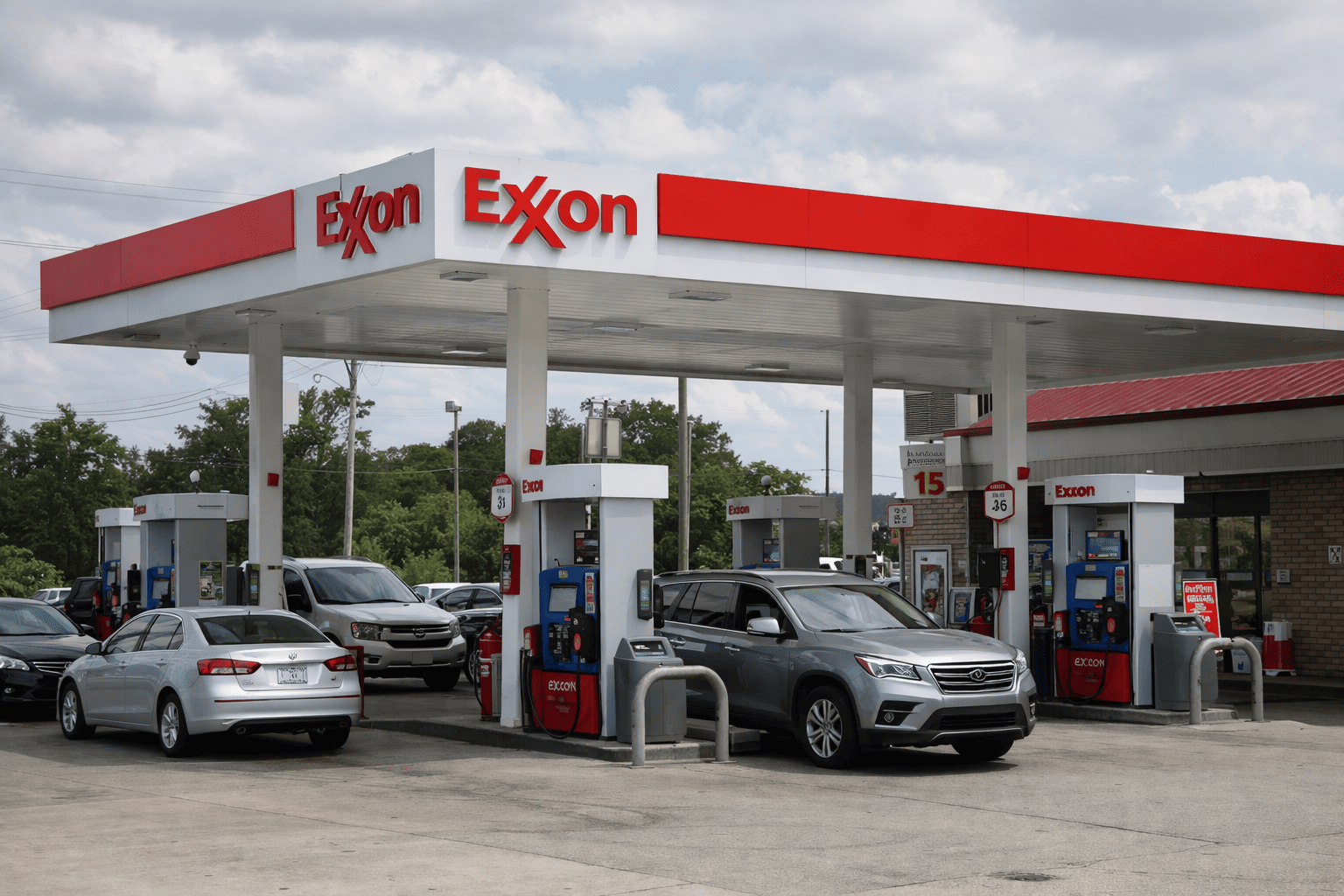
Exxon Mobil Corp. has entered a preliminary agreement to supply liquefied natural gas (LNG) to South Africa, a move that could significantly reduce the country's reliance on coal for electricity generation. The deal, reported by Bloomberg, involves state utility Eskom Holdings SOC Ltd. importing LNG through the proposed Zululand terminal in Richards Bay on the east coast.
Strategic Shift for South Africa
South Africa generates approximately 80% of its electricity from coal, making it one of the world's most coal-dependent economies. Persistent power shortages, frequent blackouts, and international pressure to lower emissions have driven the government to seek cleaner alternatives. LNG is viewed as a practical transitional fuel that can provide reliable baseload power more quickly than renewable projects while emitting significantly less carbon than coal.
The Zululand terminal project is central to South Africa's strategy to build gas infrastructure and modernize its aging energy system. The preliminary nature of the deal means details on volumes, pricing, and timelines remain unconfirmed.
Boost for Exxon's LNG Ambitions
This agreement aligns with Exxon's broader strategy to expand its global LNG footprint. The company aims to more than double its LNG supply capacity to over 40 million tons per year by 2030. Entering the South African market marks an important step into Africa and diversifies its customer base beyond traditional Asian and European buyers.
Exxon has been actively developing LNG projects worldwide, including in the United States, Mozambique, and Papua New Guinea, as demand for cleaner-burning fossil fuels grows during the energy transition. For more on energy market dynamics, see our coverage of Oil Prices Climb as Renewed Strait of Hormuz Tensions Reignite Supply Fears.
Challenges and Context
South Africa's energy crisis has been severe for years, with Eskom struggling with aging coal plants, maintenance backlogs, and corruption issues. The introduction of LNG is expected to improve power availability and support economic growth, which has been hampered by unreliable electricity. However, the project faces hurdles, including regulatory approvals, infrastructure development, and securing long-term financing.
Environmental groups have raised concerns about building new fossil fuel infrastructure, even as a transitional solution. The timing also reflects shifting global energy dynamics: while many countries push for rapid decarbonization, developing nations like South Africa argue they need affordable, reliable energy to support industrial growth and alleviate poverty.
Broader Implications
If finalized, the Exxon-Eskom agreement could pave the way for more LNG imports and accelerate South Africa's gas-to-power program. It may also encourage other international energy companies to explore opportunities in the country. For Exxon, the move strengthens its position in emerging markets and supports its goal of becoming a larger player in global LNG trade.
This development highlights the growing role of natural gas as a bridge fuel in coal-dependent economies, even as the world grapples with energy security and climate goals. For related insights on commodity markets, check our article on Brent Crude on Track for 6% Weekly Gain as Hormuz Disruptions Keep Supply Risk Elevated.
Investors should monitor regulatory approvals and infrastructure progress, as these will be critical to the deal's success. The agreement underscores the ongoing shift in global energy trade and the strategic importance of LNG in emerging markets.
This article is for informational purposes only and does not constitute financial advice.