
U.S. equities opened sharply higher on Monday, with the Dow Jones Industrial Average climbing 252 points, as semiconductor stocks staged a recovery from last week's severe selloff and geopolitical risks in the Middle East showed signs of abating. The S&P 500 gained approximately 0.94%, while the Nasdaq Composite advanced roughly 1.34%, reversing some of the steep losses that marked the end of the previous week.
Chip Stocks Lead Recovery After Historic Rout
The rebound in semiconductor shares was the primary driver of Monday's gains. Last Friday, the sector suffered a massive decline that erased nearly $1 trillion in market value from U.S.-listed chipmakers, with the iShares Semiconductor ETF posting its worst single-day drop in over six years. On Monday, the ETF recovered about 4% as investors returned to the space.
Shares of Nvidia and Broadcom rose between 1.5% and 2.8%, while Micron Technology surged more than 8% after plunging 13% in the prior session. The recovery comes after a confluence of factors triggered last week's rout: Broadcom's latest earnings report failed to raise its AI semiconductor outlook, disappointing investors who had anticipated stronger guidance, and stronger-than-expected U.S. employment data fueled concerns that the Federal Reserve might maintain tighter monetary policy for longer.
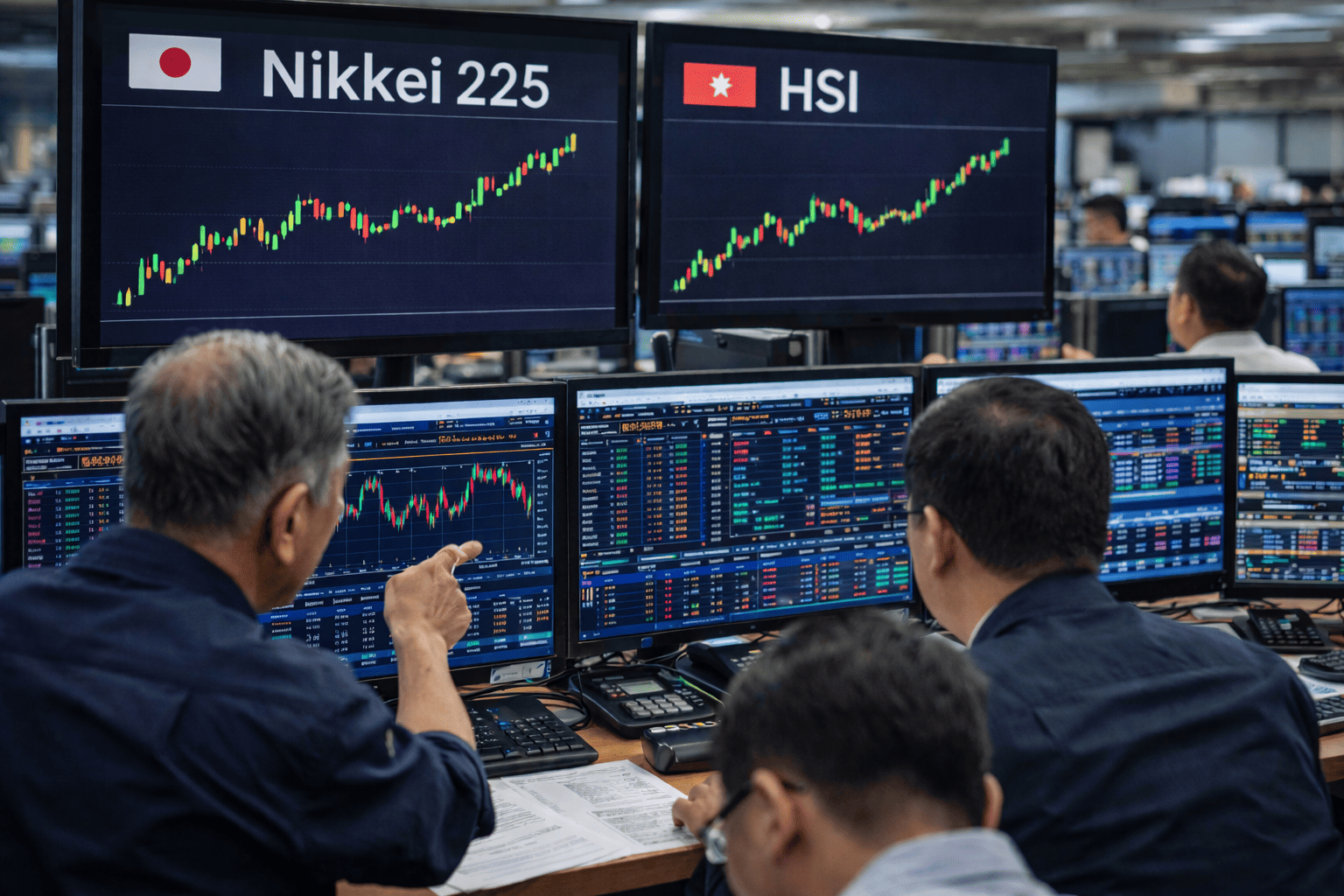
The selloff also reverberated globally. South Korea's Kospi index dropped more than 8% on Monday, and Japan's Nikkei 225 fell 3.85% as overseas markets reacted to Wall Street's decline. However, Monday's rebound in U.S. chip stocks helped stabilize sentiment, with the Nikkei 225 later rebounding 1.25% as AI earnings loom over Japan's tech-led recovery.
Geopolitical Concerns Ease but Remain
Market sentiment was further bolstered by signs that hostilities between Iran and Israel may be de-escalating. Iran's military announced that its first wave of attacks on Israel since an April ceasefire had concluded, and reports indicated that Israel had halted strikes on Iran at the request of U.S. President Donald Trump. However, uncertainty persists after Iran launched strikes on Sunday and warned that military operations could resume if Israel continued attacks in Lebanon.
Oil prices, which had surged more than 5% earlier in the session on geopolitical concerns, pared gains as the developments unfolded. West Texas Intermediate crude was last trading up by just over 1%, near $91 per barrel. The easing of tensions also supported broader market indices, with the Dow futures having surged 277 points earlier on ceasefire hopes.
Inflation Data and SpaceX IPO in Focus
Investors are now turning their attention to upcoming U.S. inflation data, which could provide fresh clues about the Federal Reserve's policy trajectory. Friday's stronger-than-expected jobs report showed nonfarm payrolls increased by 172,000 in May, significantly above expectations. According to CME Group's FedWatch tool, markets are now pricing in a 42% probability of a 25-basis-point interest rate increase in December.
Additionally, market participants are preparing for the highly anticipated public debut of SpaceX later this week. The offering is viewed as another major test of enthusiasm surrounding artificial intelligence-related investments, following the recent volatility in AI-linked stocks. Analysts at UBS have flagged a potential rebound for Broadcom, Sandisk, and Oracle as the AI selloff nears its end.
As the week progresses, the interplay between inflation data, Fed policy expectations, and corporate earnings will likely dictate market direction. The recovery in chip stocks and easing geopolitical fears provide a constructive backdrop, but investors remain cautious given the lingering uncertainties.
This article is for informational purposes only and does not constitute financial advice.