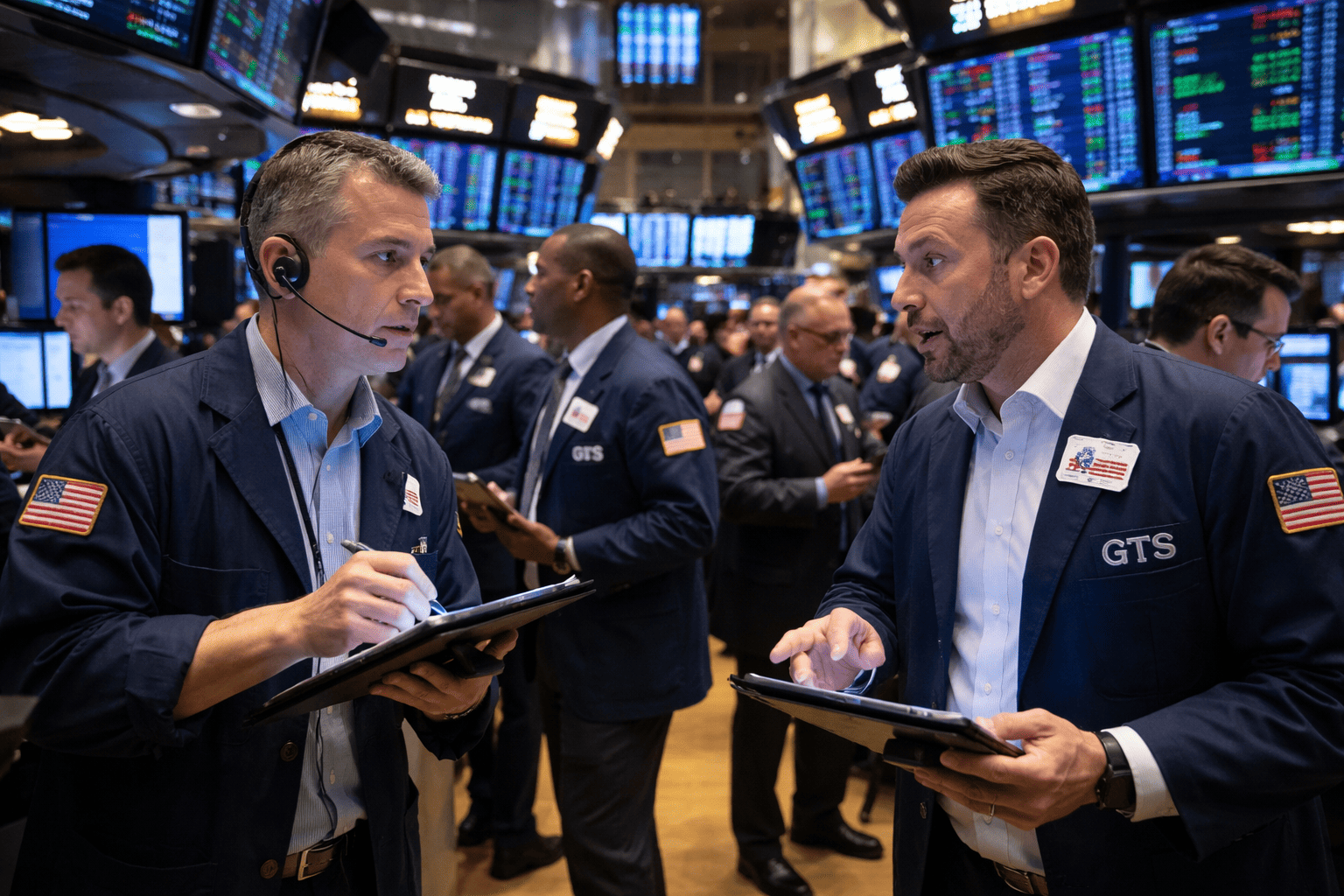
U.S. equities finished Friday's session on a mixed note, capping a turbulent week shaped by the Federal Reserve's first rate hike in three years, persistent upward pressure on Treasury yields, and crude prices that continue to hover above the $100 threshold.
The Dow Jones Industrial Average slipped 114.74 points, or 0.22%, to close at 51,663.30. In contrast, the S&P 500 added 11.53 points, or 0.12%, to 7,647.19, while the Nasdaq Composite advanced 92.72 points, or 0.35%, to 26,511.01. A rally in semiconductor shares helped cushion the broader market, though the Dow's decline underscored lingering unease over the interest-rate outlook.

Treasury yields remain elevated
Bond yields moved higher again on Friday, adding to the pressure on equities. The 10-year Treasury yield briefly reclaimed the 5% level after retreating a day earlier, and was last up more than five basis points at 4.998%. Earlier in the week, the benchmark yield had already surpassed 5%, reaching its highest point since July 2007.
The sustained rise in yields keeps inflation and monetary policy expectations at the forefront of investor thinking. The Fed raised its benchmark rate by 25 basis points this week, bringing the target range to 3.75%-4%. According to the CME FedWatch tool, markets now assign a greater than 50% probability to another hike at the October meeting, up from 42.5% a week ago and 7.2% a month earlier. Such expectations could keep upward pressure on yields in the near term.
Oil stays above $100
Crude prices retreated on Friday but remained above the $100 mark, sustaining inflation concerns. West Texas Intermediate futures fell 1.58% to settle at $100.30 a barrel, while Brent crude declined 0.91% to close at $103.87. Prices eased from session highs after China, at Saudi Arabia's request, urged Iran to curb Houthi attacks on Saudi oil infrastructure.
Still, oil at these levels can feed into broader price pressures. Elevated crude costs have already pushed U.S. diesel prices to record highs, potentially raising expenses for farming and shipping. The combination of firm oil prices and climbing bond yields has intensified worries about the trajectory of inflation and the central bank's next moves.
Dow posts third weekly decline
Friday's close left the major indices with mixed weekly results. The Dow fell nearly 2% for the week, marking its third consecutive weekly loss and its worst weekly performance since March. The S&P 500 was down 0.3% week to date, while the Nasdaq managed a 0.3% gain, making it the only major index to finish the week in positive territory.
Investors also tracked company-specific developments. Berkshire Hathaway announced that Warren Buffett will step down as chairman and become chairman emeritus, nine months after handing the CEO role to Greg Abel. Xenon Pharmaceuticals dropped after temporarily pausing enrollment in clinical studies of an experimental drug following reports of side effects. Cryptocurrency-linked stocks, including Coinbase, Strategy, and Robinhood, surged as Bitcoin prices jumped. The quarterly expiration of stock and index derivatives, known as triple witching, also contributed to late-session volatility.
For context on the broader market environment, see our coverage of Wall Street's rebound as yields ease and the global bond yield dynamics post-Fed. Additionally, the TLT ETF's slide to a 7-month low highlights the pressure on long-duration assets.
This article is for informational purposes only and does not constitute financial advice.

