The iShares 20+ Year Treasury Bond ETF (TLT) has extended its decline, touching $80 on Monday—its weakest level since July 2025—and marking a nearly 9% drop from its 2025 peak. The selloff comes as U.S. Treasury yields continue their relentless climb, with the 10-year yield reaching 5.023%, a level not seen since 2007. The 30-year yield also surged to 5.383%, its highest since 2004.
Despite the adverse price action, investor interest in the fund has remained robust. Data shows TLT has attracted nearly $10 billion in inflows over the past three months, including $3.75 billion in the last 30 days. This has pushed the fund's assets under management to over $47 billion, underscoring a notable divergence between price performance and capital flows.

Why yields are soaring
The upward pressure on long-term yields stems from a combination of factors. The U.S. public debt has ballooned to over $40.1 trillion, with the debt-to-GDP ratio now at 122%. Annual tax revenue stands at roughly $5 trillion, while government spending exceeds $7 trillion—a gap that shows no signs of narrowing, especially with proposals for a $1.5 trillion defense budget. Analysts warn that this fiscal trajectory is unsustainable, particularly as economic growth slows once the impact of artificial intelligence investments is stripped out.
Rising yields are also being fueled by geopolitical tensions. Oil prices have spiked this week, with Brent crude jumping to $107 and West Texas Intermediate to $102, as the U.S.-Iran crisis escalates. Higher energy costs feed into inflation expectations, prompting bond investors to demand higher yields.
Fed decision in focus
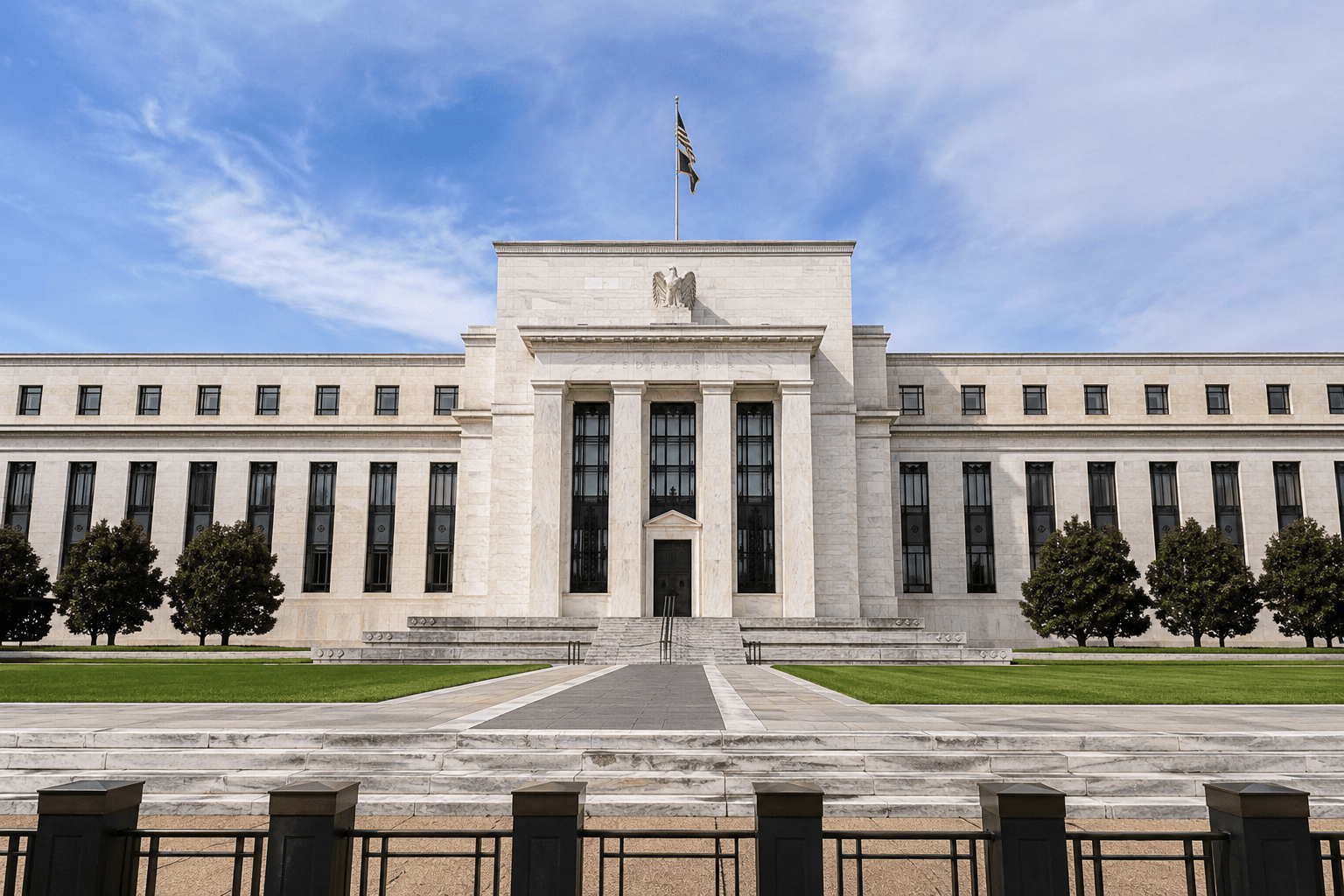
All eyes are now on the Federal Reserve's upcoming interest rate decision. With inflation concerns resurfacing and yields at multi-decade highs, market participants are pricing in a higher probability of a rate hike. The 10-year yield hitting 5% has already raised the stakes for the central bank's policy path.
The broader market is feeling the pinch, as elevated yields pressure equity valuations. As noted in a recent analysis, stocks with high valuations face the biggest squeeze. Meanwhile, gold has held near $4,300, but gold slides as oil surge and Treasury yields climb ahead of the Fed's decision.
Technical outlook for TLT
From a technical perspective, TLT remains firmly in a downtrend. The ETF has broken below its August 18 support at $80.93 and is trading beneath all major moving averages. The Relative Strength Index (RSI) has slipped to 37, indicating bearish momentum but not yet oversold. The Supertrend indicator also points lower.
Given these signals, the path of least resistance appears to be downward. The next key support level to watch is $79.90, the low from July 2025. A break below that could open the door to further losses, especially if yields continue to climb.
Investors are also monitoring the impact of rising yields on global markets, as similar dynamics play out in other economies. The combination of fiscal strain, geopolitical risk, and monetary policy uncertainty suggests that volatility in long-dated bonds is likely to persist.
This article is for informational purposes only and does not constitute financial advice.