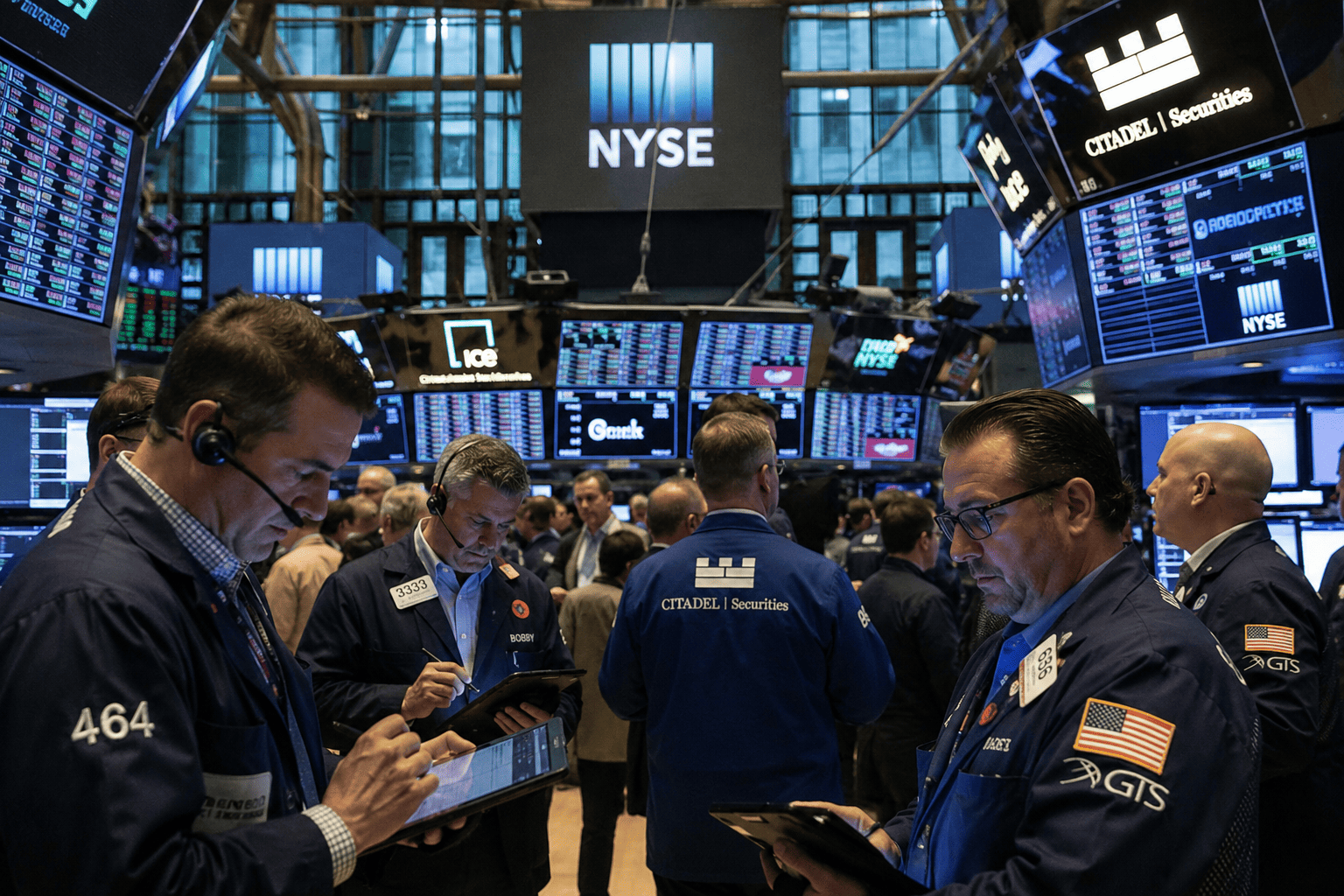
U.S. stock markets opened on a mixed note Friday, with the Dow Jones Industrial Average edging higher by roughly 40 points, while the Nasdaq Composite extended its losses from the previous session's selloff. The S&P 500 managed a slight gain of about 0.13%.
The modest rebound follows a sharp decline on Thursday, when the Dow fell more than 500 points and both the S&P 500 and Nasdaq posted their steepest one-day drops in a month. That selloff was fueled by concerns over rising artificial intelligence spending after earnings from Alphabet and Tesla, combined with a surge in oil prices amid escalating tensions in the Middle East.
Intel slips despite earnings beat
Intel reported second-quarter results that exceeded Wall Street expectations, with revenue growing 25% year-over-year — its strongest quarterly revenue increase since the third quarter of 2011. The chipmaker also forecast quarterly revenue and profit above analyst estimates and outlined plans to increase spending over the next two years.
Despite the positive numbers, Intel shares fell about 1.14% in early trading. The broader semiconductor sector remained under pressure as investors continue to scrutinize AI-related spending across the technology industry. Recent results from Tesla and Alphabet have heightened concerns over rising capital expenditures and cash burn among major tech companies.
The cautious mood comes ahead of earnings reports next week from Microsoft, Amazon, and Meta Platforms, which are expected to provide further insight into AI infrastructure spending. Investors have become increasingly selective toward AI-related companies, rewarding operational execution while paying closer attention to profitability and returns on investment.
In a bright spot, Oracle traded higher by 0.7% after the Pentagon announced a contract worth nearly $7 billion over as long as 10 years to consolidate the Defense Department's on-premises software licenses under a single cloud agreement. However, analysts have noted that Oracle stock could test $100 support before a potential rebound.
Geopolitical tensions and tariffs weigh on sentiment
Markets continued to monitor geopolitical developments after President Donald Trump signaled that he is considering further military action against Iran following attacks by Yemen's Houthi forces on two Saudi oil tankers in the Red Sea. Oil prices, which climbed above $100 a barrel on Thursday for the first time since late May, eased on Friday. Brent crude traded near $97 per barrel, down roughly 3%, while U.S. West Texas Intermediate crude slipped more than 2% to trade above $89 per barrel.
Although prices retreated, investors remain concerned that prolonged disruptions to global energy supplies could revive inflation pressures and complicate central bank policy decisions. Separately, the Trump administration announced new tariffs ranging from 10% to 12.5% on goods from 60 trading partners, citing concerns over enforcement of forced-labor bans. The measures took effect after a temporary 10% global tariff expired.
Fed meeting and economic data in focus
Attention is now shifting toward next week's Federal Reserve policy meeting and the release of the Personal Consumption Expenditures (PCE) price index, the central bank's preferred inflation measure. According to CME FedWatch data, markets are pricing in roughly a one-in-three probability of a Fed rate hike next week, compared with about a 12% chance a week earlier.
Despite Friday's rebound, the major U.S. indexes remain on track for weekly losses, with the Dow heading toward a third consecutive weekly decline and both the S&P 500 and Nasdaq poised for a second straight week in the red.
This article is for informational purposes only and does not constitute financial advice.