Asian equity markets are experiencing a sharp downturn today, with Japan's Nikkei 225 and South Korea's Kospi indices leading the decline. The Nikkei 225 has fallen to 62,385, a drop of 14.6% from its 2024 peak, while the Kospi has entered bear market territory, sliding over 35% from its high. The selloff is concentrated in technology and semiconductor stocks, which have been the primary drivers of the region's recent rally.
Tech stocks lead the selloff
In Japan, major technology names are bearing the brunt of the selling. Softbank Group shares fell 5.16%, while memory chipmaker Kioxia Holdings plunged 18%. Semiconductor equipment makers Tokyo Electron and Advantest dropped over 10% each. Other AI beneficiaries, including Murata Manufacturing and Renesas Electronics, also saw double-digit declines. The rout mirrors a broader global trend, with US tech stocks like AMD, ASML, and Micron also under pressure.

South Korea's Kospi is suffering similar losses. Samsung Electronics, SK Hynix, and SK Square each fell by 11.8%, 13.15%, and 14.4%, respectively. Samsung Electro-Mechanics, LG Energy, and SK Inc also continued their downward trajectory. All these companies have lost more than 30% from their 52-week highs, signaling a deep correction in the sector.
The selloff comes ahead of a busy earnings week for the semiconductor industry. Samsung Electronics and SK Hynix are set to report on July 30 and July 29, respectively. In Japan, Tokyo Electron, Advantest, and Kioxia Holdings will also release their quarterly results. Analysts expect strong numbers driven by sustained demand for memory chips, but recent guidance from US peers like Micron has raised concerns about future growth.
Investors are also bracing for earnings from US tech giants Microsoft, Meta Platforms, Apple, and Amazon later this week. Their capital expenditure plans will be closely watched for signals on AI investment trends. For more context on the regional impact, see our analysis of Nikkei 225's outlook ahead of key events.
Central bank decisions and geopolitical risks
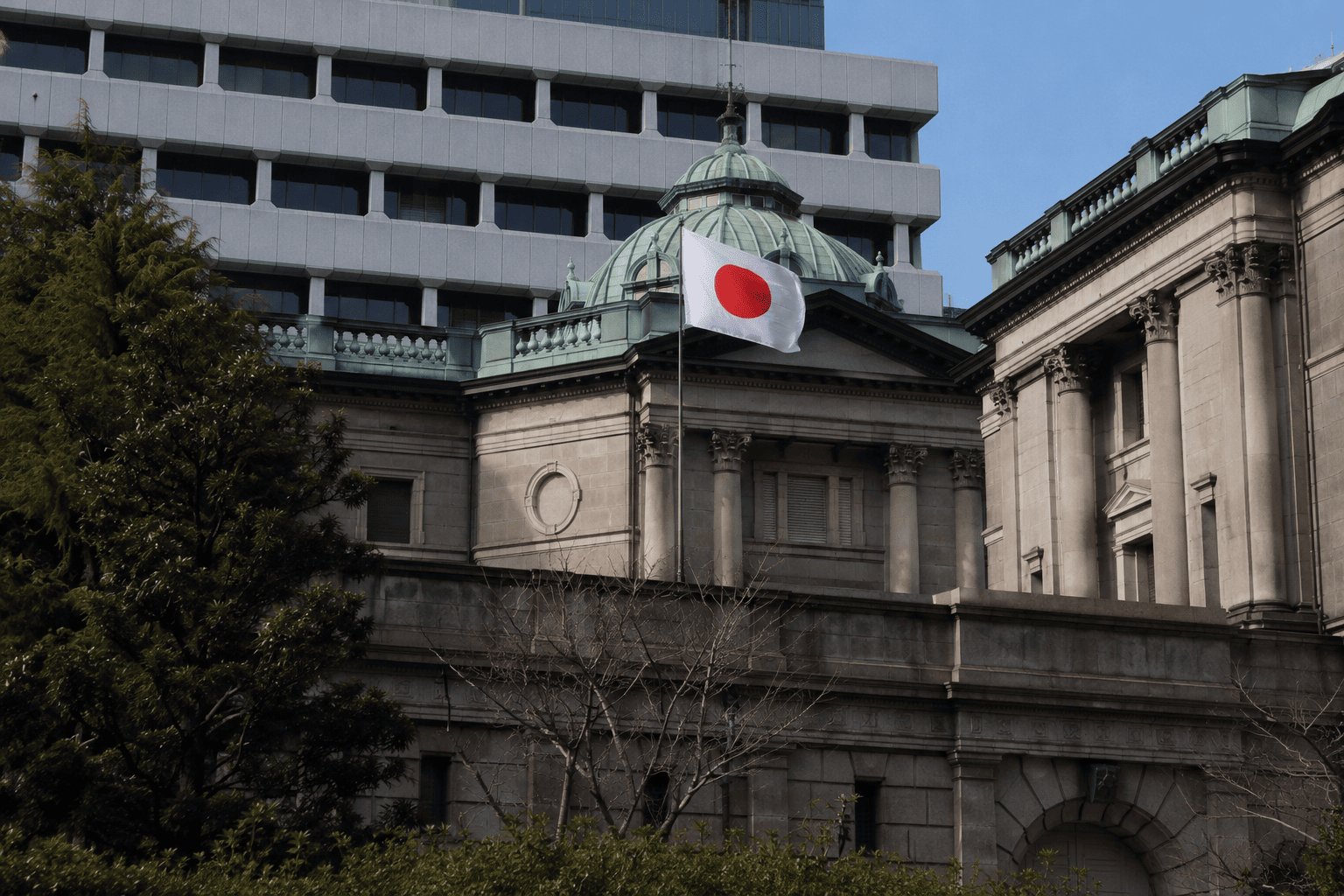
Beyond earnings, the Nikkei 225 and Kospi are reacting to several macro events. The Federal Reserve is widely expected to hold rates steady at 3.50%-3.75% at its Wednesday meeting, but some analysts anticipate a hawkish tone or even a rate hike later this year. The Bank of Japan will announce its decision on Friday, with the yen at multi-decade lows and inflation remaining elevated. A surprise rate hike could roil Japanese equities further.
Geopolitical tensions are also weighing on sentiment. Reports of US-Iran talks have offered some relief, but Iran has denied negotiations, and the risk of escalation remains. The conflict between Houthi rebels and Saudi Arabia continues, while Iran has threatened retaliation over an attack on its ship by Ukraine. These uncertainties are prompting risk aversion across Asian markets.
For a deeper dive into the Kospi's recent performance, read our piece on Kospi's retreat and dip-buying risks. Additionally, the broader tech rout has been influenced by US developments, as detailed in Nikkei 225's tumble after Alphabet's AI capex surge.
Other Nikkei 225 components reporting this week include Hitachi, Komatsu, Mizuho Financial, Japan Tobacco, and Sumitomo Mitsui Financial. Their results will provide further insight into the health of Japan's corporate sector.
This article is for informational purposes only and does not constitute financial advice.