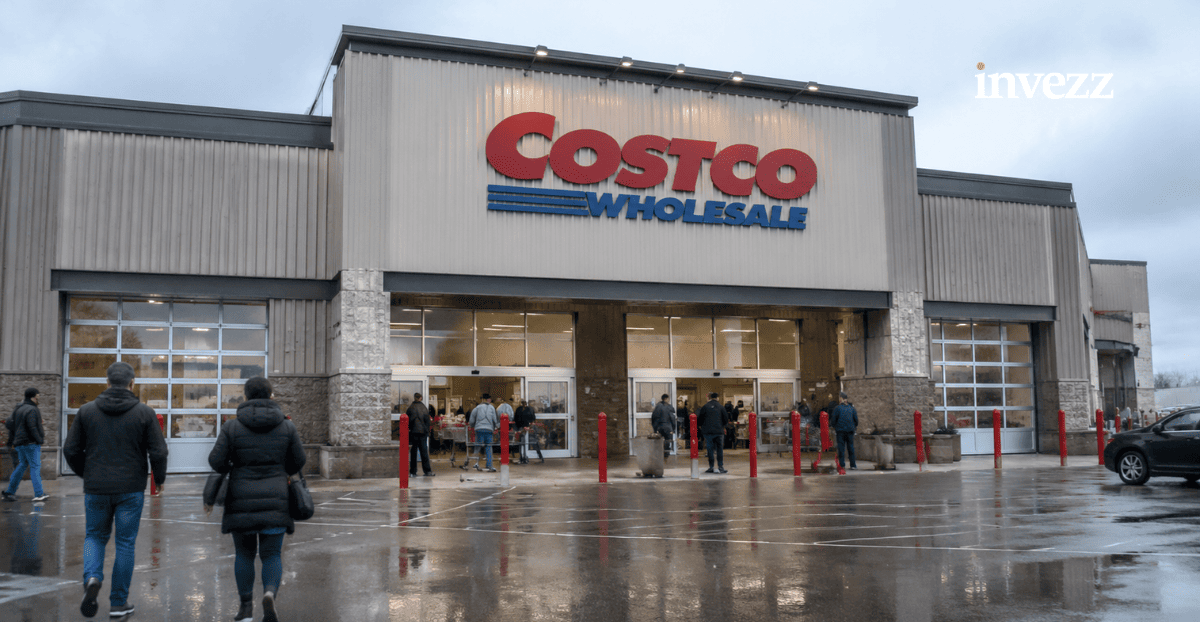
Jim Cramer, the host of CNBC's Mad Money, reaffirmed his positive outlook on Costco Wholesale (NASDAQ: COST) during a recent broadcast, emphasizing the retailer's unique strategy to deliver value to consumers while rewarding shareholders. Cramer described Costco as having "a plan to help America save money," a thesis that gains traction as households remain focused on affordability.
A shareholder-friendly capital return program
Cramer pointed to Costco's consistent use of special dividends as a key differentiator among large retailers. The company has a history of distributing sizable one-time payouts in addition to its regular dividend, a practice that Cramer views as a sign of management's commitment to returning excess cash to investors. He also praised Costco's aggressive share buybacks and what he called disciplined capital allocation, noting that the company avoids questionable expansion projects and instead prioritizes shareholder returns.
Pricing power and supplier pressure
Central to Cramer's argument is Costco's ability to keep prices low even when suppliers attempt to raise them. He grouped Costco with Walmart as one of the few retailers willing to push back on vendors rather than simply passing higher costs to consumers. According to Cramer, Costco's Kirkland Signature private-label brand provides significant leverage in negotiations. If branded manufacturers seek aggressive price increases, Costco can offer competing Kirkland products at lower prices, reinforcing its reputation as a value destination.
Tariff refunds redirected to customers
That philosophy was on display recently when Costco disclosed receiving $184 million in tariff refunds and associated interest during its fiscal fourth quarter. Instead of retaining the windfall as profit, management said most of the proceeds were used to lower prices on a range of products, including produce, meat, beverages, home furnishings, and hardware. The company has indicated that future refunds will similarly be reinvested into member value rather than kept as earnings.
A business model built on membership fees
Costco's profit structure differs from many retailers that rely heavily on merchandise markups. A substantial portion of Costco's earnings comes from membership fees, which allows management to prioritize volume and low prices. This model fosters customer loyalty and repeat visits, creating a virtuous cycle that supports steady cash flow and enables periodic special dividends.
Investor takeaway
For investors, Cramer's thesis centers on Costco's combination of pricing power, customer trust, private-label strength, and shareholder-friendly capital returns. He believes these factors create a competitive moat that is difficult for rivals to replicate. As long as Costco continues to find ways to lower costs for members while rewarding shareholders, Cramer maintains that the stock remains a buy.
This article is for informational purposes only and does not constitute financial advice.