CoreWeave and IREN shares fell sharply on Wednesday, extending a pullback after a strong rally in the previous session. The declines came as investors weighed the sudden departure of Nvidia's chief executive and a fresh capital-spending outlook from peer Nebius that raised questions about the sector's reliance on debt.
By mid-morning trading, CoreWeave was down about 8.6%, while IREN had dropped roughly 10%. Both stocks had surged on Tuesday after CoreWeave reported better-than-expected quarterly results, with IREN gaining about 5.6% and CoreWeave jumping close to 25%. The broader market was mixed, with the Dow holding relatively steady while technology shares led declines on the Nasdaq and S&P 500.

Nvidia CEO Resignation Shakes AI Trade
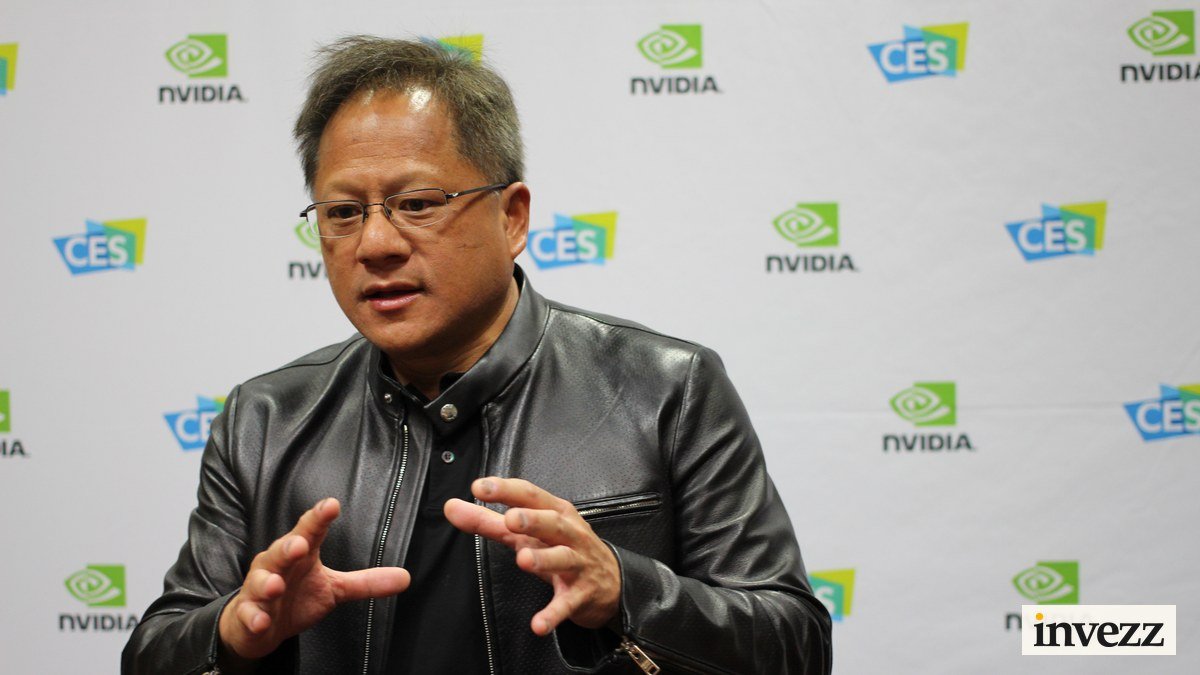
The biggest overhang on the group was the news that Nvidia founder and CEO Jensen Huang resigned on Thursday, with Chief Financial Officer Colette Kress named interim CEO as the board searches for a permanent successor. The resignation followed intense scrutiny over reports of Huang's two extramarital affairs, one of which allegedly involved a Chinese businesswoman identified by US intelligence as an intelligence asset of Beijing. Additional reports on Wednesday alleged another affair with a senior Nvidia executive who reported to him.
Huang's exit has the potential to disrupt the AI trade, given Nvidia's central role in supplying chips to the data-center buildout. CoreWeave, IREN, and other neocloud operators depend heavily on a steady supply of Nvidia processors to expand their fleets and fulfill multi-year contracts with hyperscalers and AI labs. Nvidia is also a strategic investor in several of these companies, including both CoreWeave and IREN. Any uncertainty at Nvidia can send ripples through the neocloud sector, which is already under pressure amid mounting debt.
CoreWeave's New Debt Plans
Investors were also assessing a Bloomberg report that CoreWeave is planning to raise at least $4 billion through a new investment-grade, chip-backed loan to finance additional Nvidia purchases. The company already carries a very high debt load that has long been a central concern for investors. While the proposed facility is structured around customer contracts and hardware and is expected to carry a lower interest rate than CoreWeave's existing unsecured bonds, the fresh fundraising still highlighted the sector's heavy reliance on leverage to fund rapid capacity growth.
Nebius Under Pressure
Shares of peer Nebius also slumped, falling more than 10% after the company reported third-quarter results. Revenue of $980.8 million sharply beat estimates and rose 571% year-over-year. However, management guided full-year 2026 sales to the low end of its prior range and significantly raised capital-expenditure plans to about $27 billion this year and $40-45 billion in 2027. Those higher spending needs, even with strong customer prepayments, revived questions about funding and returns across the neocloud group.
The combination of Nvidia's leadership vacuum and Nebius's aggressive capex plan has put the spotlight back on the financial sustainability of neocloud operators, which have grown rapidly but carry substantial debt and depend on continuous access to capital markets. Investors are now watching whether CoreWeave and IREN can maintain their growth trajectories without further straining their balance sheets.
This article is for informational purposes only and does not constitute financial advice.