Oil prices extended their decline on Monday, with Brent crude slipping 0.85% to $97.48 a barrel, while West Texas Intermediate fell 0.35% to $90.51. The moves come after Brent posted its steepest weekly drop since the pandemic, shedding roughly 17% last week, even as tanker attacks continued near the strategic Strait of Hormuz.
The selloff has been driven by growing expectations of a diplomatic resolution between the United States and Iran. Following the Democratic victories in the midterm elections, traders have increasingly priced in political pressure on Washington to de-escalate the conflict. Brent plunged about 8% on Wednesday alone as investors removed part of the geopolitical risk premium that had been attached to Middle Eastern supply disruptions.

In a weekend interview with CNN, President Donald Trump suggested that further military action was unlikely if Iran agreed to a sufficiently strong deal. His comments were described as "more measured" by KCM Trade analyst Tim Waterer, though markets remain uncertain whether this signals a lasting policy shift or just another change in tone. Iranian Foreign Minister Abbas Araghchi, however, indicated that mediation efforts had stalled following the election, highlighting the gap between diplomatic hopes and an actual settlement.
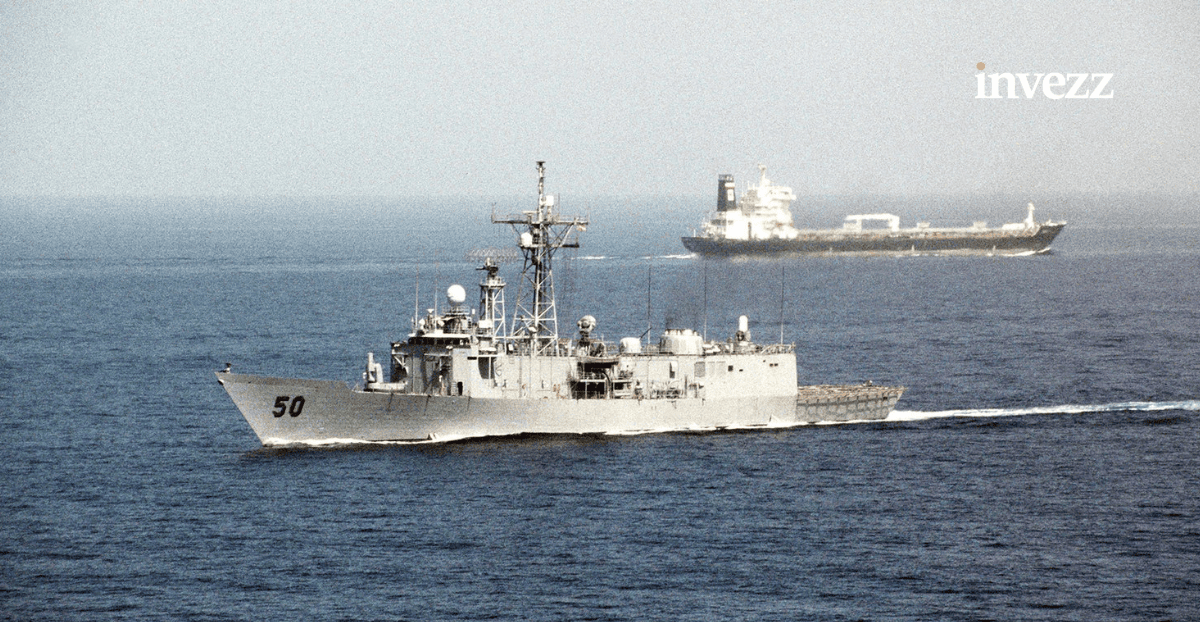
Despite the optimism, the shipping picture remains tense. British maritime authorities reported a projectile strike on an outbound tanker in the Strait of Hormuz on Sunday, and another tanker reported an explosion near the waterline on Friday. While the vessel continued sailing, repeated incidents underscore the challenges for insurers, shipowners, and refiners who cannot plan around a peace deal that has yet to materialize. Longer voyages, security precautions, and ship-to-ship transfers can raise the delivered cost of crude, even when more barrels are available.
Rystad Energy analyst Janiv Shah noted that the market is moving towards oversupply, but "the quality difference still exists" between the grades refiners need and those readily available. He warned that failed talks could tighten supplies. Meanwhile, Iraq's foreign minister said Baghdad had reached an understanding with Washington over exports through a lane near Oman, though Iraqi shipments of 3.5 million barrels per day in October are not guaranteed safe passage for every tanker.
Beyond the conflict, supply is outpacing demand. JPMorgan estimates that global supply exceeded demand by 1.1 million barrels per day in September and 1.4 million in October. Middle Eastern shipments have risen to about 20.7 million barrels daily from 9.8 million in March, although flows remain below pre-war levels. Latin American output has added another 1.5 million barrels per day compared with a year earlier. Demand, meanwhile, has fallen by an estimated 3.3 million barrels daily since the conflict began, reflecting higher fuel prices and disrupted consumption.
This supply surplus helps explain why Brent may struggle to recover even if tanker attacks persist. Additional barrels cushion disruptions, although renewed fighting could tighten regional supplies. For now, traders are assigning greater weight to diplomacy, even before physical supply routes have returned to normal.
This article is for informational purposes only and does not constitute financial advice.