Oil prices extended their recovery into a second session on Friday, with Brent crude briefly crossing the $100 mark before settling near $99.60. The rebound was driven by fresh tanker attacks near the Strait of Hormuz, which reignited supply concerns. However, both Brent and West Texas Intermediate are still heading for weekly losses of around 12%, as traders weigh the impact of potential diplomatic progress in the Iran conflict against a backdrop of ample global supply.
Why Oil Prices Are Falling Despite Friday's Rebound
The sharp selloff earlier this week came after the Democratic Party secured control of both chambers of Congress in the US midterm elections. Investors interpreted this political shift as increasing the likelihood that President Donald Trump would pursue a diplomatic resolution to the US-Israeli conflict with Iran. That expectation reduced the risk premium that buyers were willing to pay for potential supply disruptions from the Middle East, even though no ceasefire has been reached and shipping routes remain vulnerable.

“Crude oil rebounded as traders viewed Wednesday’s selloff as overdone,” said Daniel Hynes, senior commodity strategist at ANZ, in a note to clients. Despite the bounce, Brent futures are on track for a weekly decline of about 12%, while WTI is down roughly 12.1% for the week. These are developing estimates, not final closing figures, and they compare against January Brent futures, as the December contract expired on October 30.
Strait of Hormuz: Tanker Attacks Still Matter
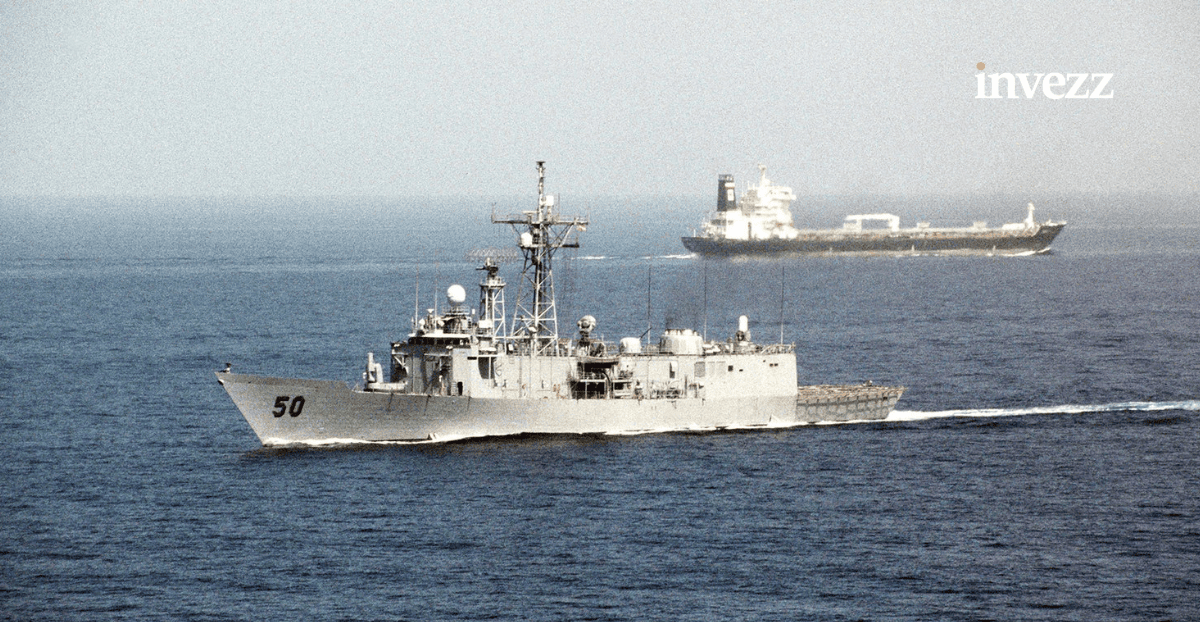
The latest rally gained momentum after reports of additional attacks on tankers in the Gulf and around the Strait of Hormuz, a critical chokepoint for global oil shipments. Iranian authorities reported three new incidents on Thursday, and the UK Maritime Trade Operations agency noted that attacks on oil-carrying vessels remain near record levels, though not all reports have been independently verified.
ANZ's Hynes estimated that oil shipments through the strait are running below 60% of capacity. This underscores that diplomatic hopes alone cannot guarantee uninterrupted exports. Ships facing threats may reroute, wait for escorts, or pay higher insurance premiums, all of which can push up delivered crude prices even when producers have ample supply.
“Prices could remain vulnerable to sudden jumps until there is a credible path to safer, cheaper transit through the Gulf,” said Tim Waterer, market analyst at KCM, in comments to Reuters. Thus, today's crude prices reflect more than just headlines about negotiations; traders are closely monitoring whether tankers can reach refineries on time.
Can JPMorgan's Surplus Cap the Recovery?
A more significant obstacle to a sustained rebound may be the sheer amount of oil available globally. JPMorgan estimated on November 4 that supply exceeded demand by 1.1 million barrels per day in September, with the surplus widening to 1.4 million barrels per day in October. The bank's commodities research team, led by Natasha Kaneva, pointed to Middle Eastern exports recovering to 20.7 million barrels per day from 9.8 million in March, while Latin American producers added around 1.5 million barrels per day year-over-year.
Meanwhile, demand has fallen by an estimated 3.3 million barrels per day since the conflict began. HSBC also raised its fourth-quarter Saudi Aramco output forecast to 8.3 million barrels per day from 6.3 million, citing a faster-than-expected export recovery. These are bank estimates, not definitive proof that every market is well supplied; the International Energy Agency had projected continued deficits in its October assessment.
As traders digest these mixed signals, the oil market remains highly sensitive to geopolitical developments and supply data. The coming weeks will reveal whether the current rebound can withstand the pressure of a growing surplus and whether diplomatic efforts can translate into tangible improvements in shipping security.
This article is for informational purposes only and does not constitute financial advice.