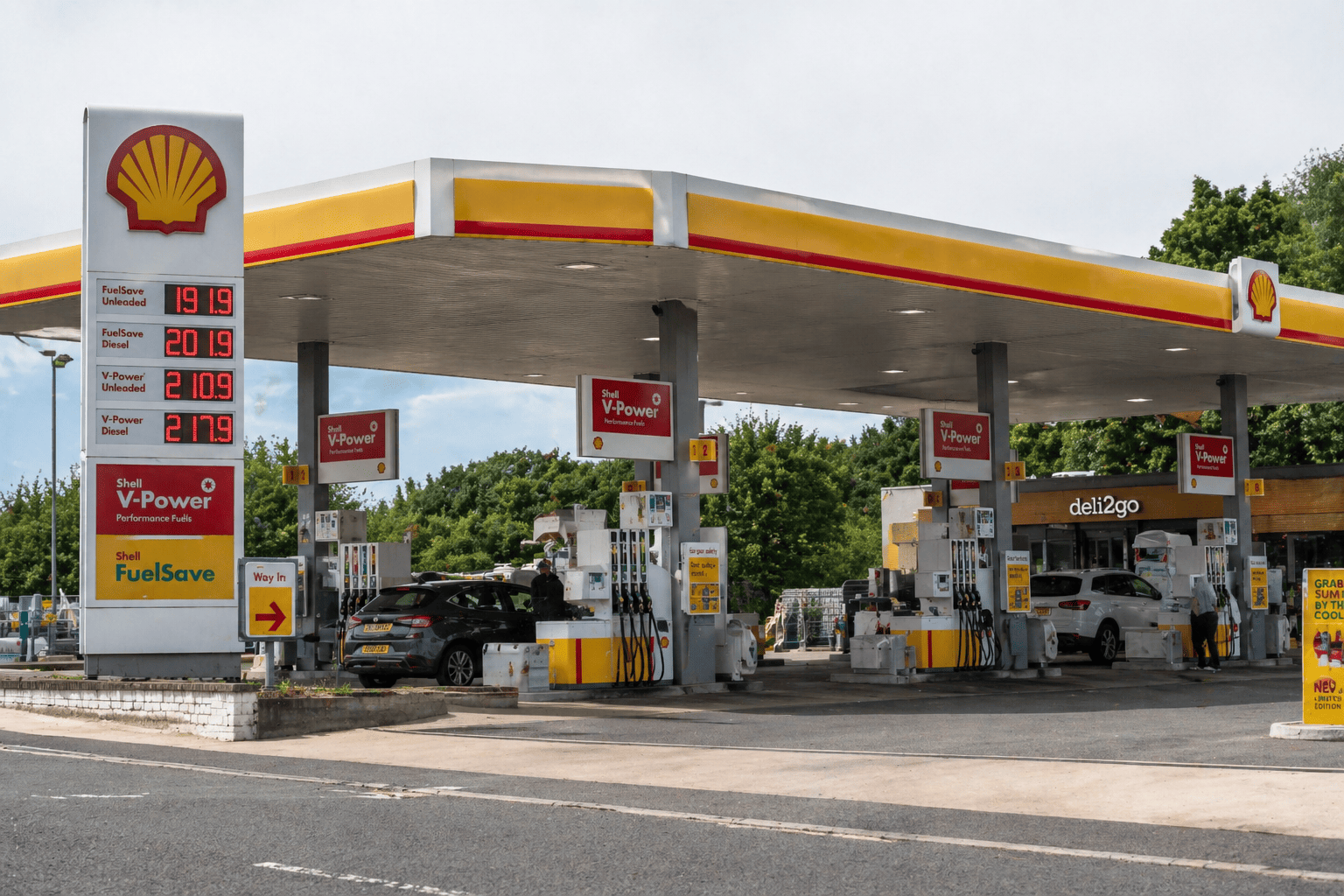
BP and Shell shares are leading the FTSE 100 index today, buoyed by a sharp rebound in crude oil and natural gas prices. Brent crude, the global benchmark, climbed to $89.8 per barrel, its highest level since July 31, while West Texas Intermediate (WTI) rose to $84.2. The surge reflects growing investor expectations that the US-Iran conflict will persist, keeping supply risks elevated.
Energy stocks rally on oil price strength
BP's stock advanced to 534p, up 18.5% from its July low and 63% above its lowest point last year. Shell shares rose to 3,345p, extending their recovery to 16% above their year-to-date trough. The gains underscore the sector's sensitivity to crude price movements, as higher energy prices directly boost revenue and cash flow for integrated oil majors.
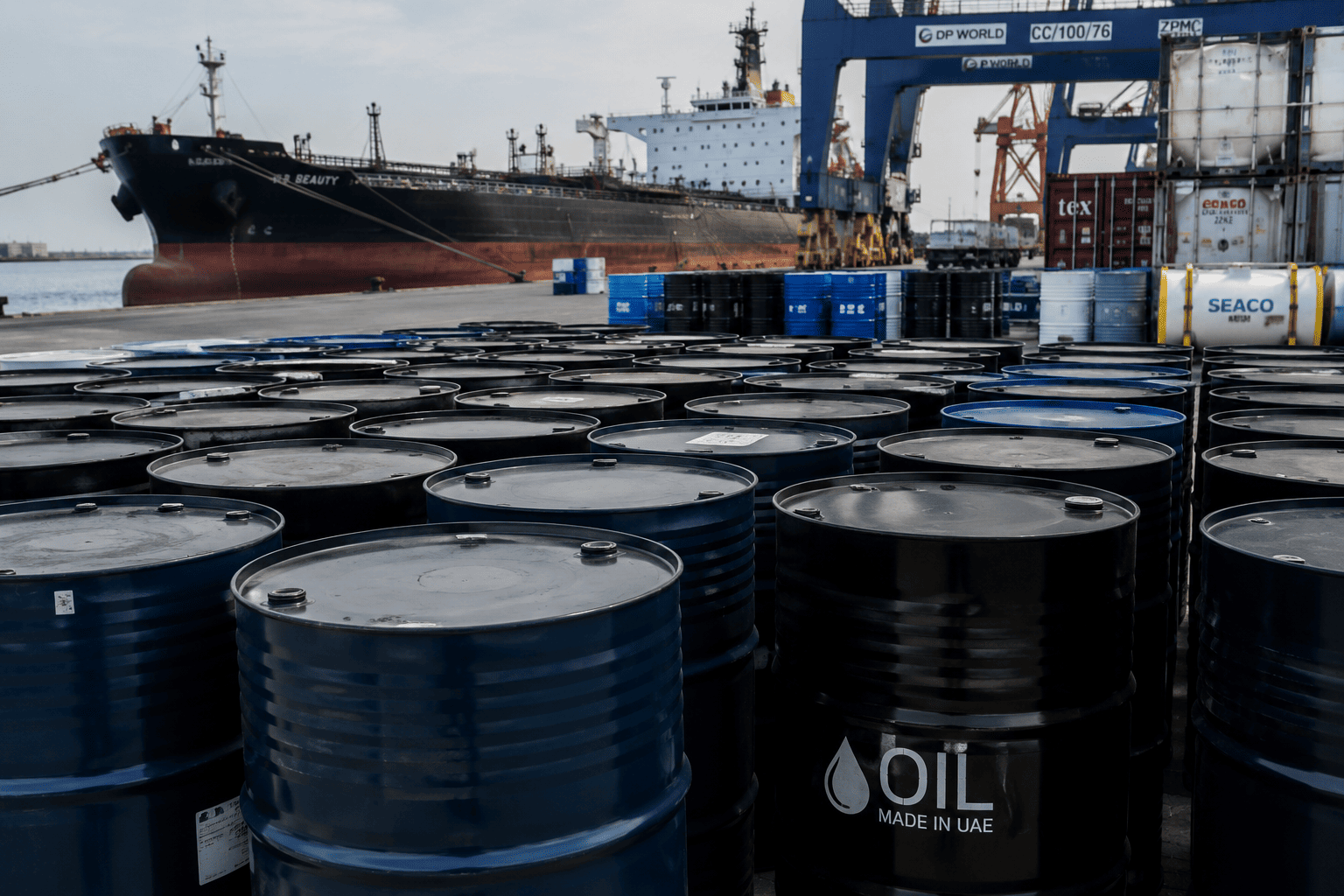
The rally comes after both companies reported robust quarterly results. BP's underlying replacement cost profit jumped to $5.7 billion in the second quarter, up from $3.2 billion in the previous quarter, while operating cash flow reached $10.9 billion. The company also increased its dividend and share buyback program and announced plans to divest its North Sea business.
Shell reported adjusted earnings of $9.8 billion, with strong performance across most of its divisions. The company has also reduced operational costs by $5.8 billion since 2022, improving its cost structure amid volatile energy markets.
Crude outlook hinges on Iran conflict trajectory
The current oil price rebound is driven by geopolitical factors. US President Donald Trump recently stated he is "low-keying" his approach to Iran, focusing on economic pressure rather than military action. This stance, coupled with concerns about US weapons stockpiles and the advice of General Dan Caine, Chairman of the Joint Chiefs of Staff, suggests a prolonged standoff rather than a quick resolution.
Iran has laid out demands for reopening the Strait of Hormuz, including an end to the blockade and military threats, lifting US sanctions, and compensation for war losses. Meanwhile, the US has indicated it will seek reparations from Iran. These conditions make a near-term deal unlikely, keeping the risk premium in oil prices elevated.
Additionally, the Houthis continue to threaten shipping in the Bab el-Mandeb Strait, adding to supply disruption risks. Polymarket data shows only a 23% probability of a US-Iran nuclear deal by December 31, suggesting that elevated oil prices could persist.
Global energy majors benefit from higher prices
Other global energy companies, including TotalEnergies, Chevron, and ExxonMobil, have also reported strong earnings growth, benefiting from the same price dynamics. For BP and Shell, the key driver going forward will be the evolution of the US-Iran conflict and its impact on global supply.
Investors should monitor diplomatic developments and any signs of de-escalation, which could trigger a sharp correction in oil prices and weigh on energy stocks. Conversely, further escalation could push prices higher, providing additional tailwinds for the sector.
For broader market context, see our coverage on AI hardware demand and Twilio's Q2 beat.
This article is for informational purposes only and does not constitute financial advice.