Aston Martin Lagonda (AML) shares continue to trade near multi-year lows, down 44% year-to-date and 94% over the past five years. The FTSE 250 constituent is confronting a confluence of financial pressures that have eroded investor confidence and left the stock hovering just above its March trough.
Persistent Losses and Rising Debt Burden
The luxury automaker reported a first-quarter net loss of £65.5 million, an improvement from the £79.6 million loss in the same period last year, but still marking another quarter without profitability since its 2018 IPO. Revenue rose 16% to £270 million, driven by higher average selling prices, even as wholesale volumes slipped 1% to 939 units.

More concerning for investors is the company's ballooning debt. Net debt surged to £1.459 billion in Q1, up from £1.26 billion a year earlier. The company has never generated a full-year profit as a public entity, and its cash-burning operations continue to weigh on the balance sheet.
Creditor Jitters and New Financing
Aston Martin is in talks with HPS Investment Partners—a firm being acquired by BlackRock in a $12 billion deal—for additional debt financing. The proposed structure involves moving certain assets out of reach of existing creditors, a so-called “drop-down” arrangement that has raised alarm among current lenders. Creditors have reportedly hired Jefferies as an advisor to protect their positions amid concerns that further debt issuance could subordinate their claims.
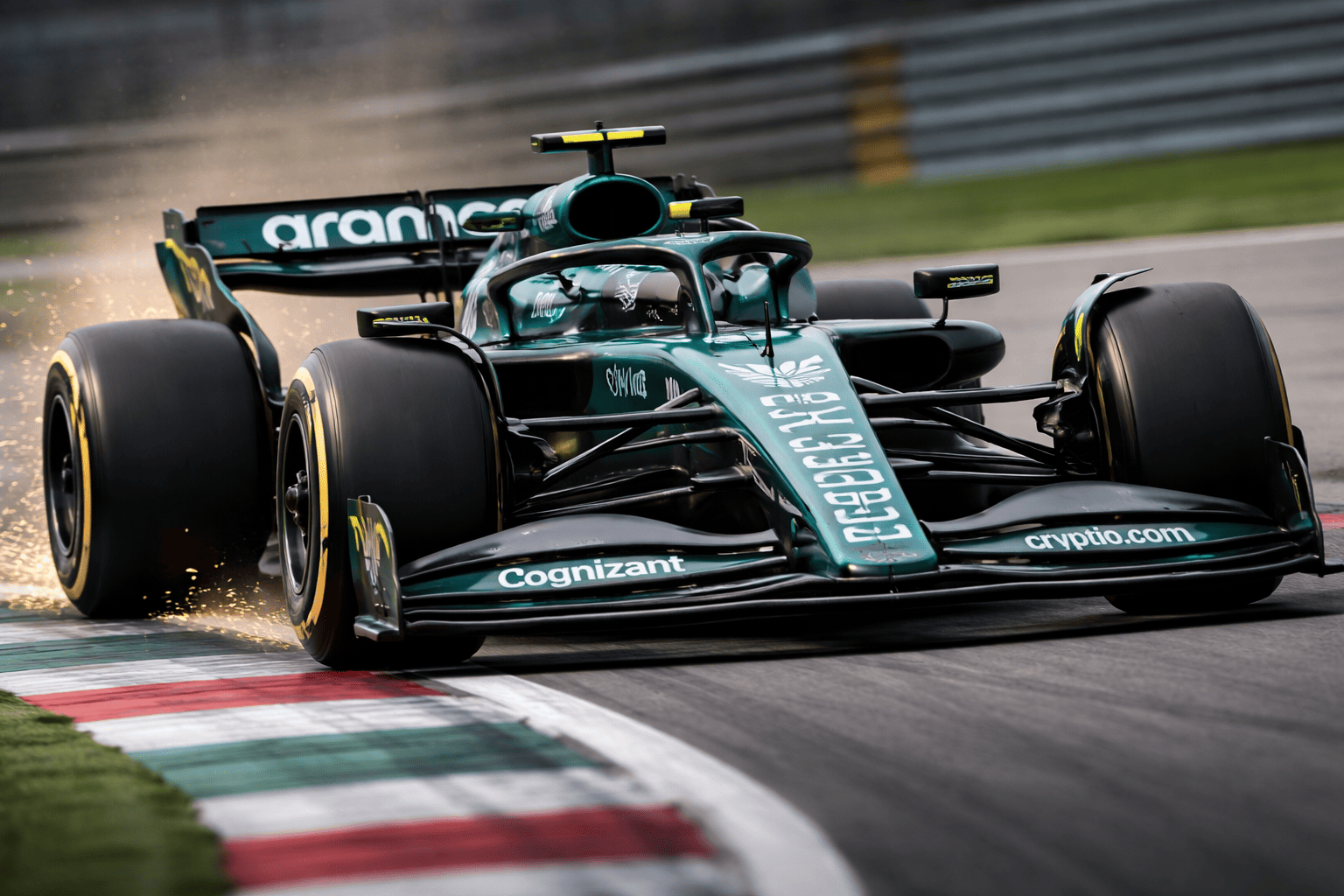
The company has already tapped a series of investors for capital, including Lawrence Stroll’s Yew Tree Overseas consortium, Saudi Arabia’s Public Investment Fund, Mercedes-Benz, and Geely. It also sold its minority stake in the Formula 1 team and related naming rights. Despite these infusions, profitability remains elusive, and product delays and quality issues have hampered execution.
Competitive Headwinds and China Risk
Aston Martin faces intensifying competition, particularly in China, where domestic manufacturers are producing increasingly sophisticated luxury vehicles. The Chinese market, once a growth driver for high-end automakers, has become a battleground as local brands gain traction and consumer demand softens.
Potential Buyout Scenario
Some analysts see a potential acquisition as a catalyst. With a market capitalization of roughly $480 million and an enterprise value under $2 billion, Aston Martin could be an attractive target for a private equity firm, a rival automaker, or one of its existing investors. However, no formal bid has been announced, and the company’s debt load and operational challenges may deter suitors.
Technical Outlook Points Lower
From a technical perspective, AML stock remains in a downtrend, trading below its 50-day moving average and near all-time lows. The Relative Strength Index (RSI) has fallen below 50 and is sloping downward, suggesting bearish momentum. If the current trajectory holds, the next support levels to watch are the psychological 30p mark, followed by 25p.
For broader market context, see our coverage of FTSE 100 Gains 0.08% as Vodafone, easyJet Deals Counter Middle East Risks and Dow Plunges 394 Points as Chip Rout Deepens; Weekly Losses Mount on AI Spending Fears.
This article is for informational purposes only and does not constitute financial advice.