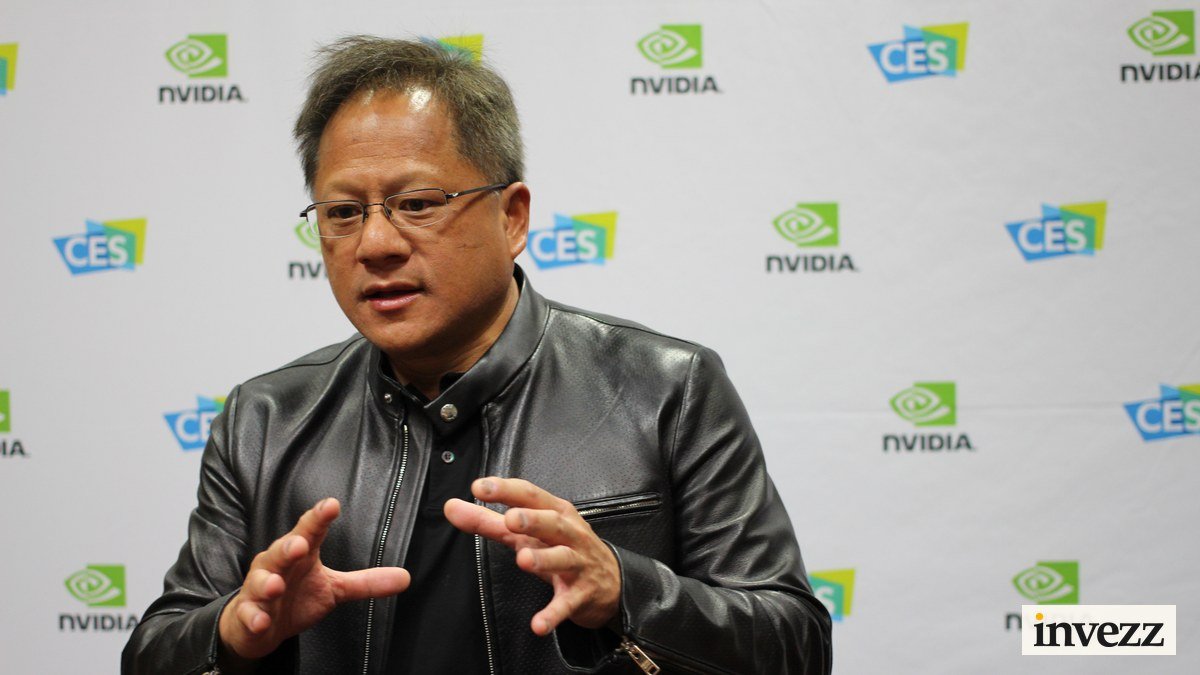
AMD shares climbed 6% on Thursday, buoyed by a combination of Nvidia's leadership upheaval and an analyst upgrade that highlighted the chipmaker's improving growth trajectory. The move came as investors reassessed the competitive landscape in the AI semiconductor market following the sudden resignation of Nvidia CEO Jensen Huang.
William Blair analyst Sebastien Naji upgraded AMD from Market Perform to Outperform, citing four key factors that had shifted since the firm's initial rating in July. These included ongoing delays and supply shortages in Intel's Xeon server processor roadmap, a less disruptive-than-expected shift toward Arm-based host processors, and a significant decline in AMD's valuation multiple even as earnings estimates rose.
The brokerage now expects AMD's data-center artificial intelligence revenue to surpass its server CPU business in the fourth quarter, driven by the ramp-up of its Helios AI systems through 2027. William Blair sees potential for AMD to deliver more than 80% revenue growth next year, more than double its longer-term model.
Nvidia's leadership change has prompted investors to consider whether rivals like AMD and Broadcom could capture market share as customers look to diversify their chip suppliers amid uncertainty. Broadcom shares also gained nearly 7% in the session, suggesting the selloff was impacting Nvidia specifically rather than the broader AI trade. Nvidia shares were down 3.94%, recovering from a 14% plunge earlier in the day.
AMD had already gained 23% through Wednesday's close this week, while Broadcom had climbed 18%. Bank of America raised its AMD price target to $700 from $650, maintaining a Buy rating and reiterating AMD as its top CPU pick, citing its broad product portfolio, Zen 6 execution on 2-nanometre technology, and improving supply visibility.
AMD's latest financial results provided further support for the positive outlook. Fiscal third-quarter revenue increased 45% year over year to $13.4 billion, with data-center revenue surging 97% to $8.5 billion, driven by demand for its EPYC processors and Instinct GPUs. Management expects fourth-quarter revenue of approximately $17 billion, representing year-over-year growth of 66% at the midpoint.
However, competition remains a risk. William Blair flagged custom application-specific integrated circuits (ASICs), particularly those being developed for Meta Platforms and OpenAI, as a potential challenge for AMD's Instinct business. The brokerage nevertheless sees custom chip programs as creating additional opportunities for AMD's server CPU business.
Investors are likely weighing whether Nvidia's turmoil will provide a lasting opening for AMD to gain ground in the AI chip market, or whether the leadership change will prove a temporary setback for the market leader. The coming quarters will be critical in determining whether AMD can capitalize on this window.
This article is for informational purposes only and does not constitute financial advice.