Shares of neocloud companies IREN, CoreWeave, and Nebius Group have entered a steep decline, erasing billions of dollars in market capitalization as investor sentiment sours on the artificial intelligence sector. The selloff reflects a confluence of factors: growing unease about AI capital expenditure, intensifying competition from deep-pocketed entrants like SpaceX and Meta Platforms, and mounting debt levels that raise the specter of shareholder dilution.
AI Spending Jitters Weigh on Sector
IREN stock has tumbled to $33.61, its lowest since April 7 and 52% below its 2025 peak, slashing its valuation from $24 billion to $12.4 billion. CoreWeave, the industry's largest player, has fallen to $72 from an all-time high of $186, reducing its market cap from $87 billion to $39 billion. Nebius Group has dropped from $298 to $170. Other related names, including Bitcoin miners MARA, Riot Platforms, and Cipher Mining, have also suffered significant losses.
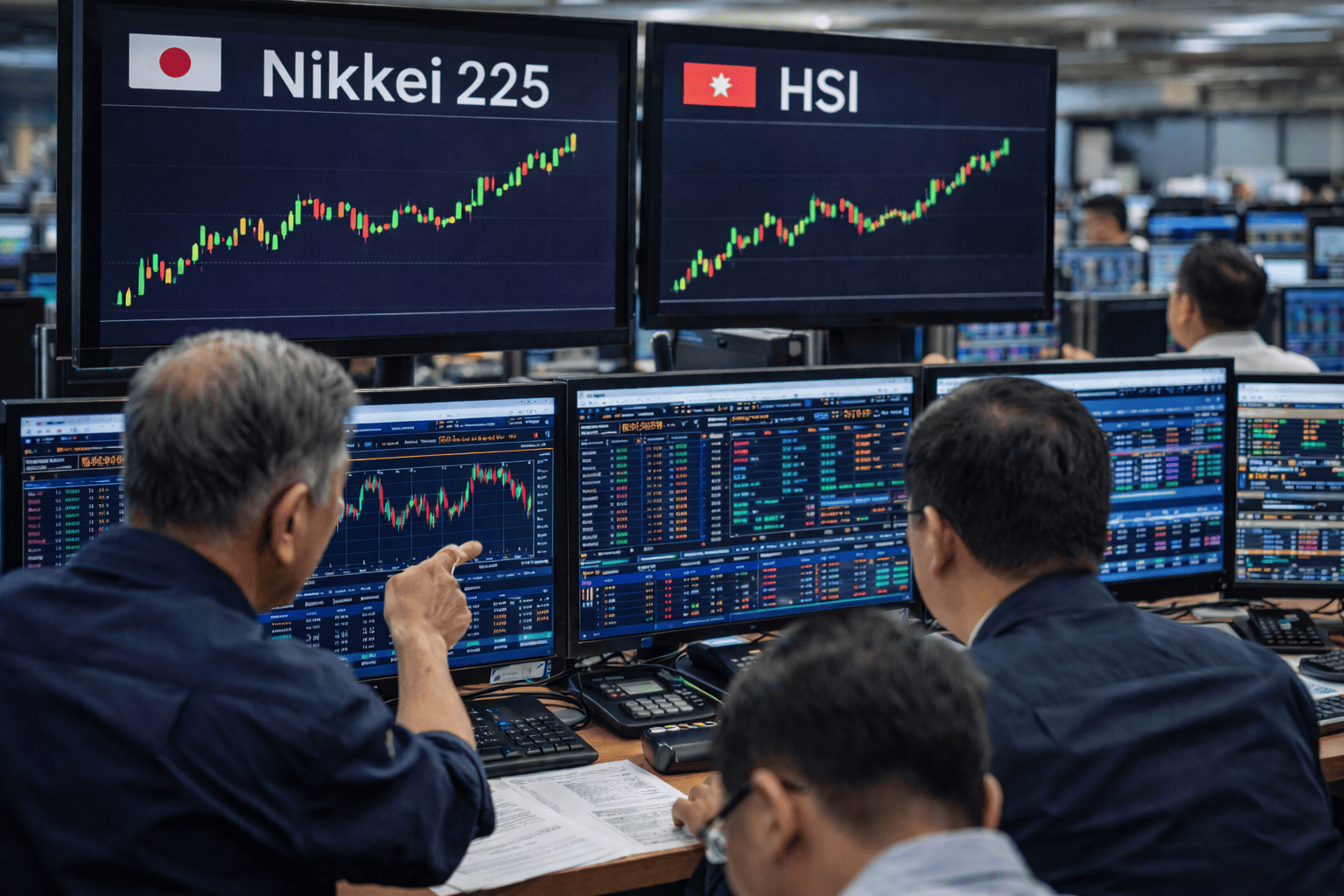
The broader AI sector has been under pressure despite strong earnings from major chipmakers like TSMC, Micron, and Samsung. In Japan, Kioxia has plunged over 50% from its 2025 high, while SoftBank, AMD, SK Hynix, and SanDisk have all declined. Investors are now awaiting quarterly results from hyperscalers such as Microsoft, Amazon, Meta Platforms, and Google, which are expected to detail their spending plans. With their stocks underperforming the broader market this year, there is concern that some may scale back AI investment ambitions.
Competition Heats Up
Competition in the neocloud space is intensifying. SpaceX, with a market capitalization exceeding $1.8 trillion, has secured deals with Google, Anthropic, and Reflection AI. Google is reportedly paying SpaceX over $920 million per month, while Anthropic and Reflection AI are paying $1.25 billion and $150 million monthly, respectively. Additionally, Meta Platforms is reportedly planning to enter the market by selling excess capacity to other hyperscaler companies.
The influx of new players—including Bitcoin miners pivoting to AI—is expected to drive up demand for chips and memory products, potentially raising costs for existing neocloud providers. This dynamic adds further pressure on margins and growth prospects for IREN, CoreWeave, and Nebius.
Soaring Debt and Dilution Fears
Debt levels at these companies have surged, fueling fears of equity dilution. CoreWeave's short-term debt has climbed to $7.5 billion, while long-term debt has reached $17.3 billion. Nebius's long-term debt has more than doubled to $8.4 billion from $4.1 billion in December 2024. IREN's debt has risen to over $3.6 billion this year. As these firms continue to require substantial capital, they may turn to share sales, diluting existing shareholders.
Short sellers have taken notice. According to Seeking Alpha, IREN has a short interest of 21.27%, CoreWeave 18%, and Nebius 27%. The high short interest indicates widespread bearish sentiment amid fears that these companies will need to raise additional equity to service their debt and fund ongoing operations.
For investors seeking exposure to the AI theme, the current environment suggests caution. The sector faces headwinds from overcapacity concerns and a potential rotation away from AI hardware, as discussed in our analysis of Intel and AMD stocks sliding on overcapacity fears. Meanwhile, the rise of tokenized stocks linked to AI data center supply chains, as highlighted in MEXC's listing of five Ondo tokenized stocks, points to growing market interest in alternative investment vehicles.
As the neocloud sector navigates these challenges, investors should monitor upcoming earnings from major tech firms and keep an eye on debt levels and dilution risks. The sharp declines in IREN, CoreWeave, and Nebius underscore the volatility inherent in high-growth, capital-intensive segments of the AI ecosystem.
This article is for informational purposes only and does not constitute financial advice.