Shares of Intel (INTC) and Advanced Micro Devices (AMD) are experiencing significant declines on Thursday, caught in a confluence of global semiconductor headwinds and shifting investor sentiment. The sell-off reflects a broader reassessment of the AI boom's sustainability and specific challenges facing Intel's turnaround efforts.
Global Semiconductor Panic Weighs on Sector
The downturn was triggered by a historic single-session collapse in South Korean memory giant SK Hynix, following reports that its high-bandwidth memory (HBM) average selling prices are growing slower than anticipated. This news sent shockwaves through the global supply chain, raising concerns about demand for advanced memory chips used in AI applications.
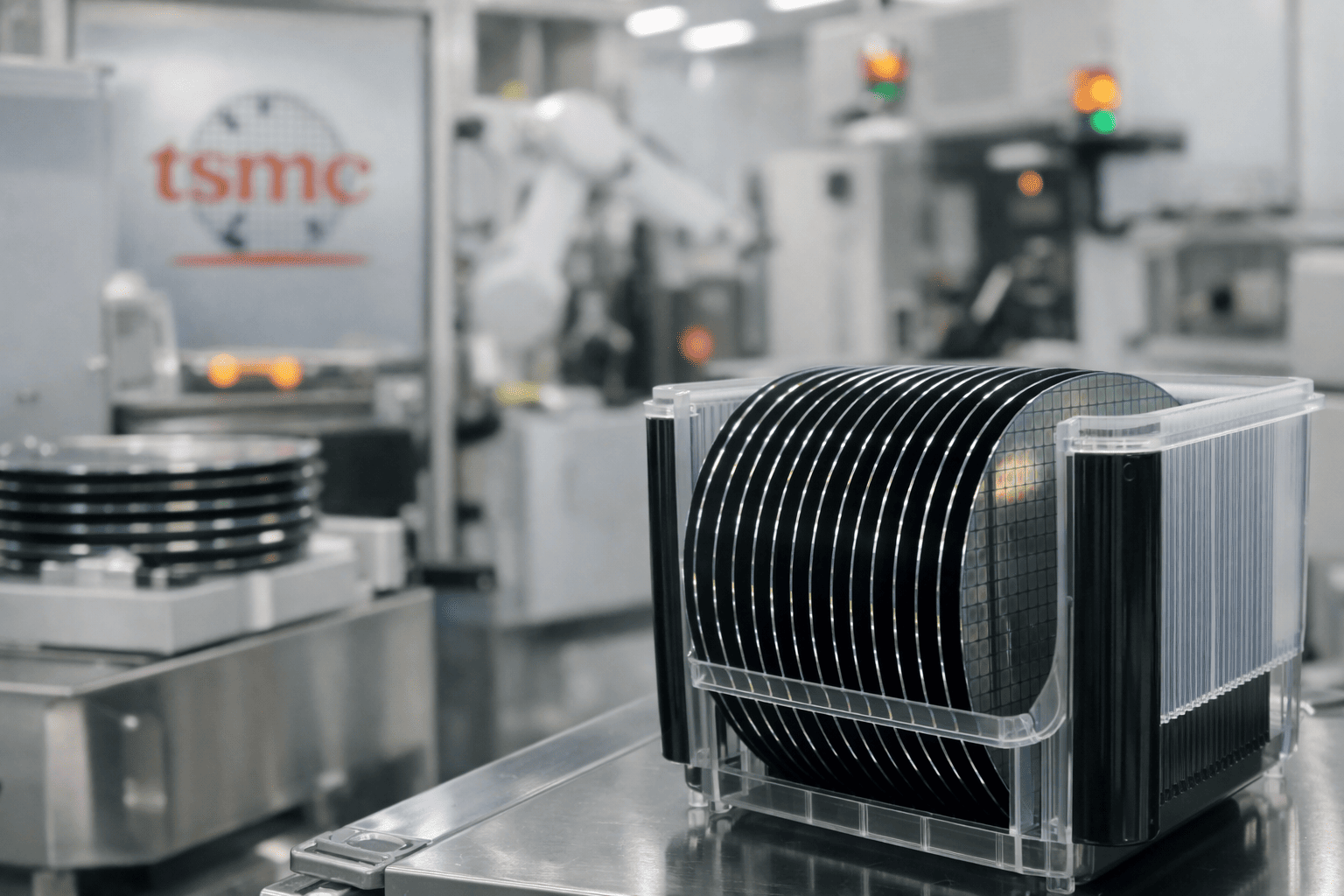
Adding to the anxiety, equipment maker ASML reported a massive backlog, but the market has inverted its interpretation. Instead of viewing this as a sign of booming demand, investors now worry that chip manufacturing capacity is being built out too quickly. The core anxiety has shifted from "Can they build enough chips?" to "Is the massive capital expenditure on AI hardware actually sustainable?" For Intel and AMD, this overcapacity threat points to a potential collapse in pricing power and a severe margin squeeze just as their next-generation hardware architectures are launching.
Intel Faces Company-Specific Headwinds
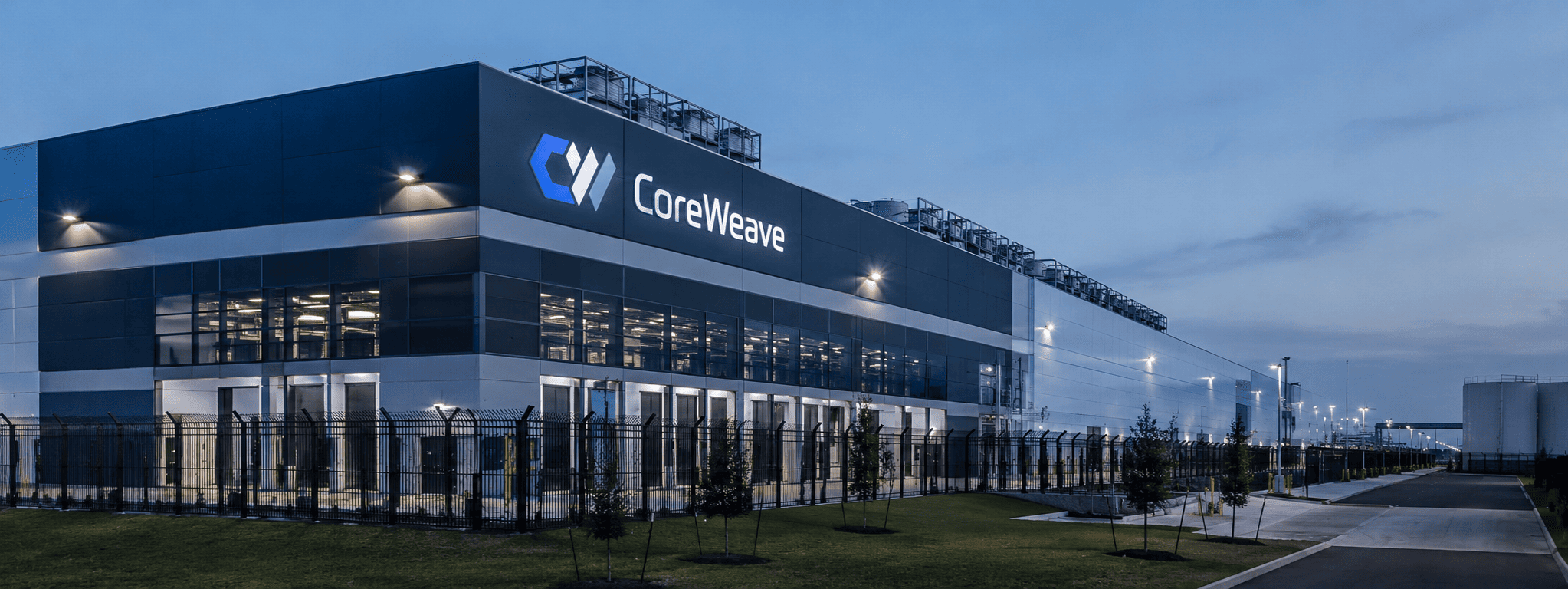
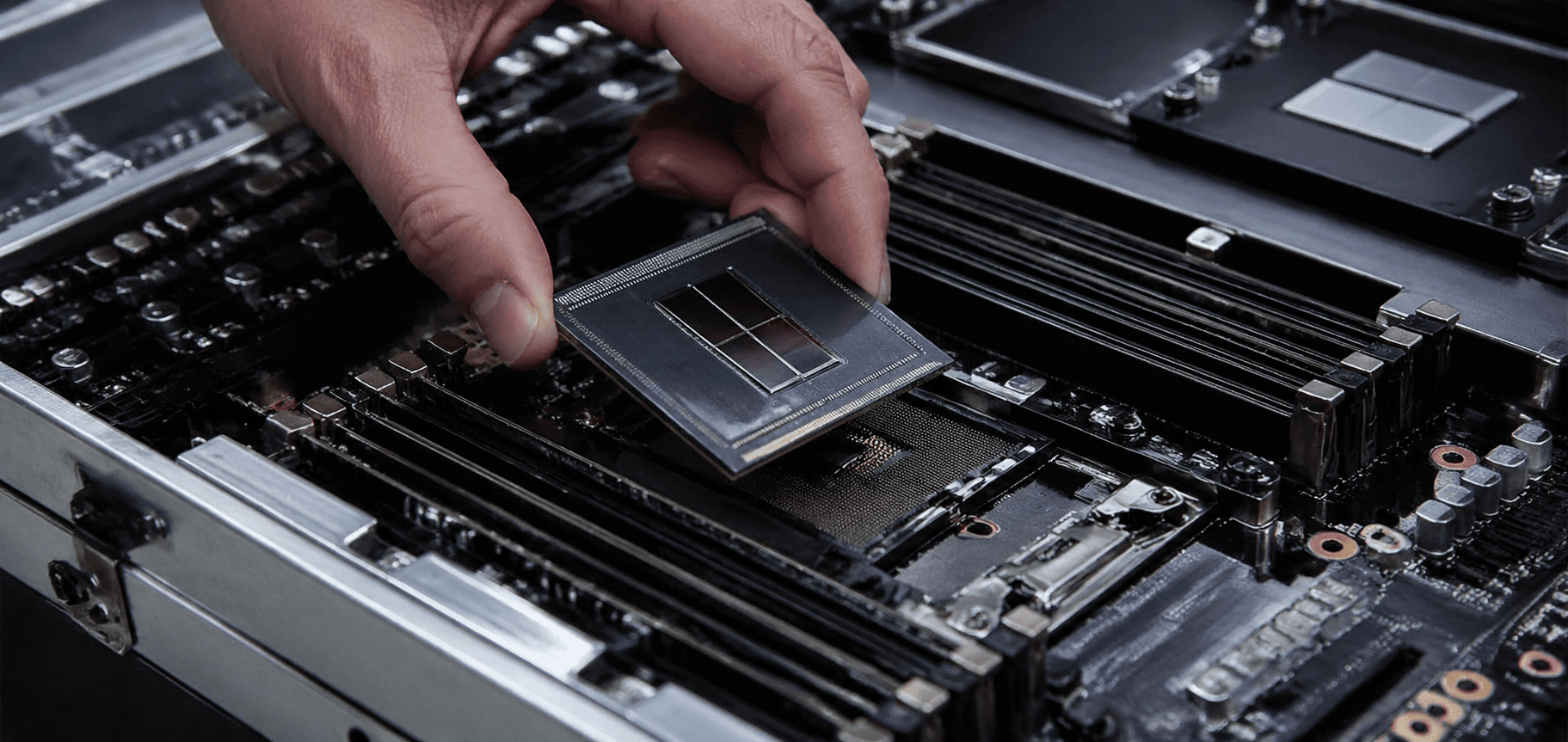
Intel shares are taking a harder hit than most chip stocks due to setbacks in its ambitious turnaround story. The bull case for Intel in 2026 relies heavily on its cutting-edge 18A manufacturing process. However, recent reports indicate that profitable yields for 18A are being pushed back to late 2026 or even 2027, deflating investor optimism.
Compounding the pressure, JPMorgan recently named Intel a top short idea, stating that the stock's massive year-to-date rally priced in a foundry and artificial intelligence recovery that isn't yet reflected in concrete financial results. Furthermore, AMD surpassed Intel in quarterly data-center revenue for the first time ($5.8 billion vs. $5.1 billion), highlighting Intel's loss of ground in its most profitable segment. For more on the broader semiconductor sell-off, see Memory Chip Stocks Slide as TSMC's Capex Hike Triggers Broader Semiconductor Selloff.
Rotation Out of AI Hardware
After massive gains in the first half of 2026, institutional investors are aggressively taking profits. A visible market rotation is underway: funds are pulling capital out of high-beta chip names like Marvell, Intel, and AMD and parking it in mega-cap tech giants like Apple and Google, as well as Chinese tech names like Alibaba, which actually spend the AI cash rather than build the hardware. This shift is not a sign that AI demand is dead, but rather a valuation and positioning correction. Because both INTC and AMD shares were "priced for perfection," any sign of friction—whether delayed node or macro capacity concerns—was bound to trigger a sharp exit. For context on recent market movements, see Kospi Surges 7% as US Inflation Drop Sparks Broad Asia Rally, Chip Stocks Lead.
Despite the sell-off, both AMD and Intel stocks remain blockbuster investments for 2026, currently trading at well over 2x their prices at the start of this year. However, the near-term outlook remains clouded by these overlapping pressures. For more on the impact of geopolitical tensions on chip stocks, see Chip Stocks Plunge as US-Iran Conflict Threatens Helium Supply and AI Boom.
This article is for informational purposes only and does not constitute financial advice.