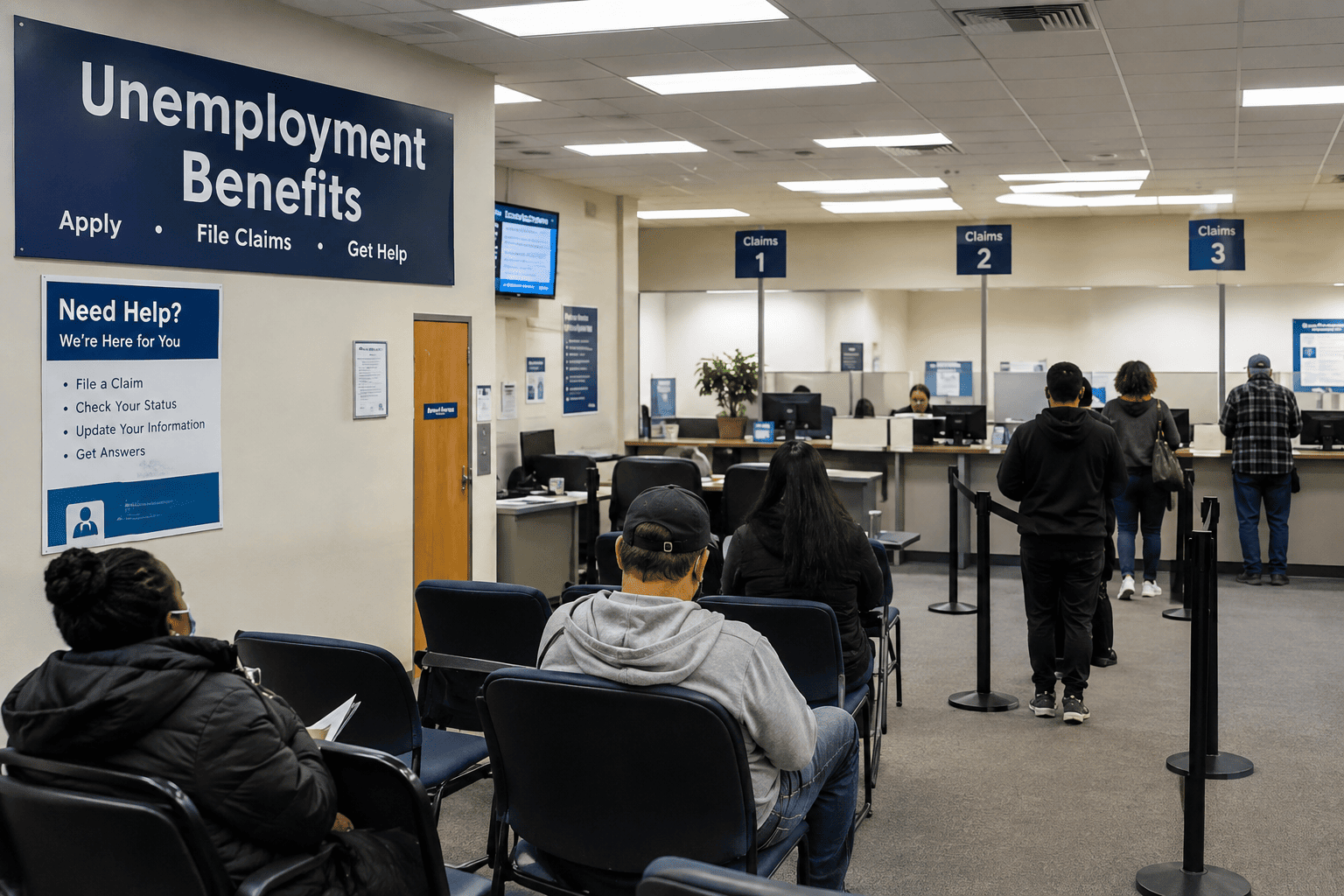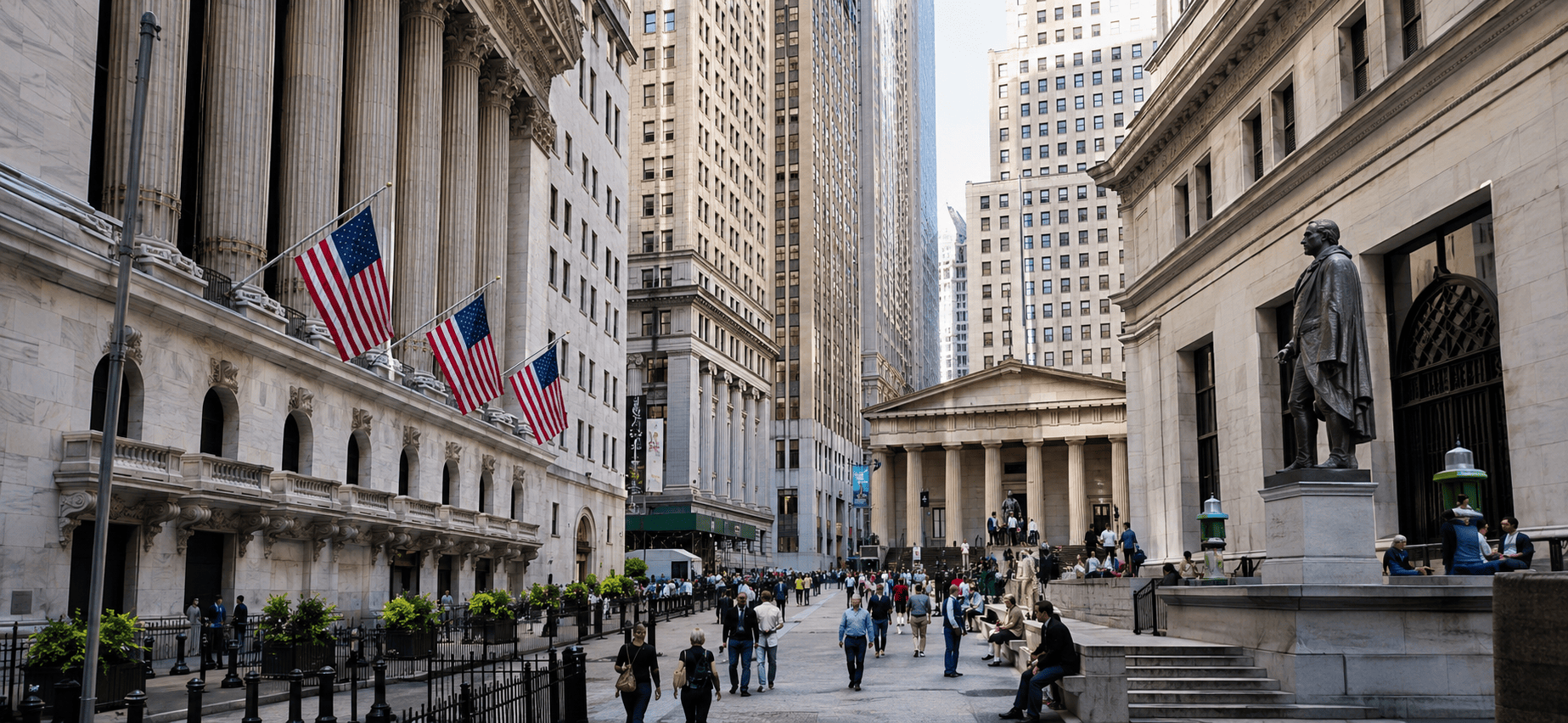
The US financial landscape in 2026 presents a striking paradox: major stock indices flirt with record highs, yet the broader economy expands at a tepid 2% pace. This growing disconnect between Wall Street and Main Street has puzzled investors, challenging the traditional view that stock market performance mirrors economic health.
What’s Driving the Stock Market Rally?
According to Mark Zandi, chief economist at Moody’s, the primary catalyst is the explosive rally in artificial intelligence (AI) stocks. The S&P 500’s year-to-date gains are heavily concentrated in select AI names, particularly hardware makers like GPU and HBM manufacturers. Technology and adjacent sectors now command nearly half of the stock market’s total weight, so their soaring valuations artificially lift the broader index.

Investors are effectively betting on tomorrow’s digital revolution, transforming the stock market into a forward-looking speculative vehicle rather than a reflection of current economic reality. This dynamic is reminiscent of the Magnificent 7 stocks hitting a decade-low valuation premium over the S&P 500, suggesting a narrowing of market breadth.
What’s Weighing on Main Street?
In stark contrast, the productive economy is growing slowly. “We're growing. We're not in recession. But we’re not going anywhere quickly,” Zandi noted. This stagnation stems from the structure of US GDP, where technology accounts for only a small fraction. The economy relies on a labor market plagued by multi-year lows in hiring and weak labor force participation. Stubborn inflation has eroded consumer confidence, creating an underlying fragility.
The K-Shaped Consumer Spending Dynamic
A distinct K-shaped pattern has emerged: the top 20% of earners now drive nearly 60% of all personal spending, supercharged by the “wealth effect” from their booming stock portfolios. This creates a precarious vulnerability. If the AI hype cycle cools and stocks slump, wealthy consumers may pull back, exposing an already soft economy to a severe downturn. Conversely, if AI-driven productivity eventually boosts hiring and wages, the gap could narrow.
Recent market movements, such as Nasdaq futures jumping 190 points as oil retreats and chip stocks rebound, underscore the market’s sensitivity to tech and energy dynamics. Meanwhile, Morgan Stanley warns of a rotation to hyperscalers, indicating potential shifts in AI investment flows.
Will the Divergence Persist?
The key to whether this divergence continues lies in how the AI narrative unfolds in the second half of 2026. If AI-driven productivity gains translate into stronger hiring, wage growth, and business investment, the gap may narrow. However, if the AI rally falters, the economy’s reliance on wealthy spenders could amplify a downturn. For now, the stock market and Main Street remain on divergent paths, with AI as the central variable.
This article is for informational purposes only and does not constitute financial advice.