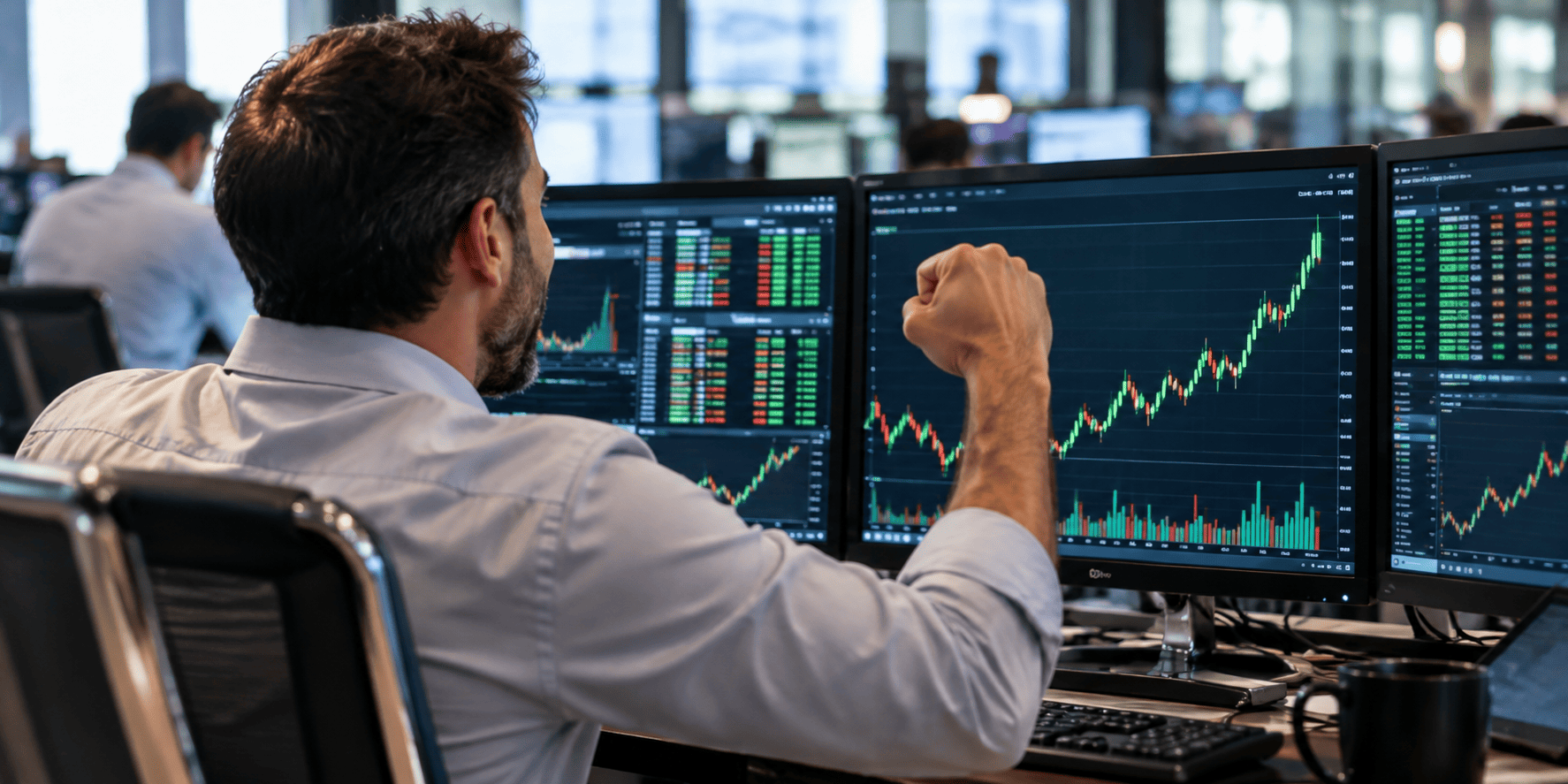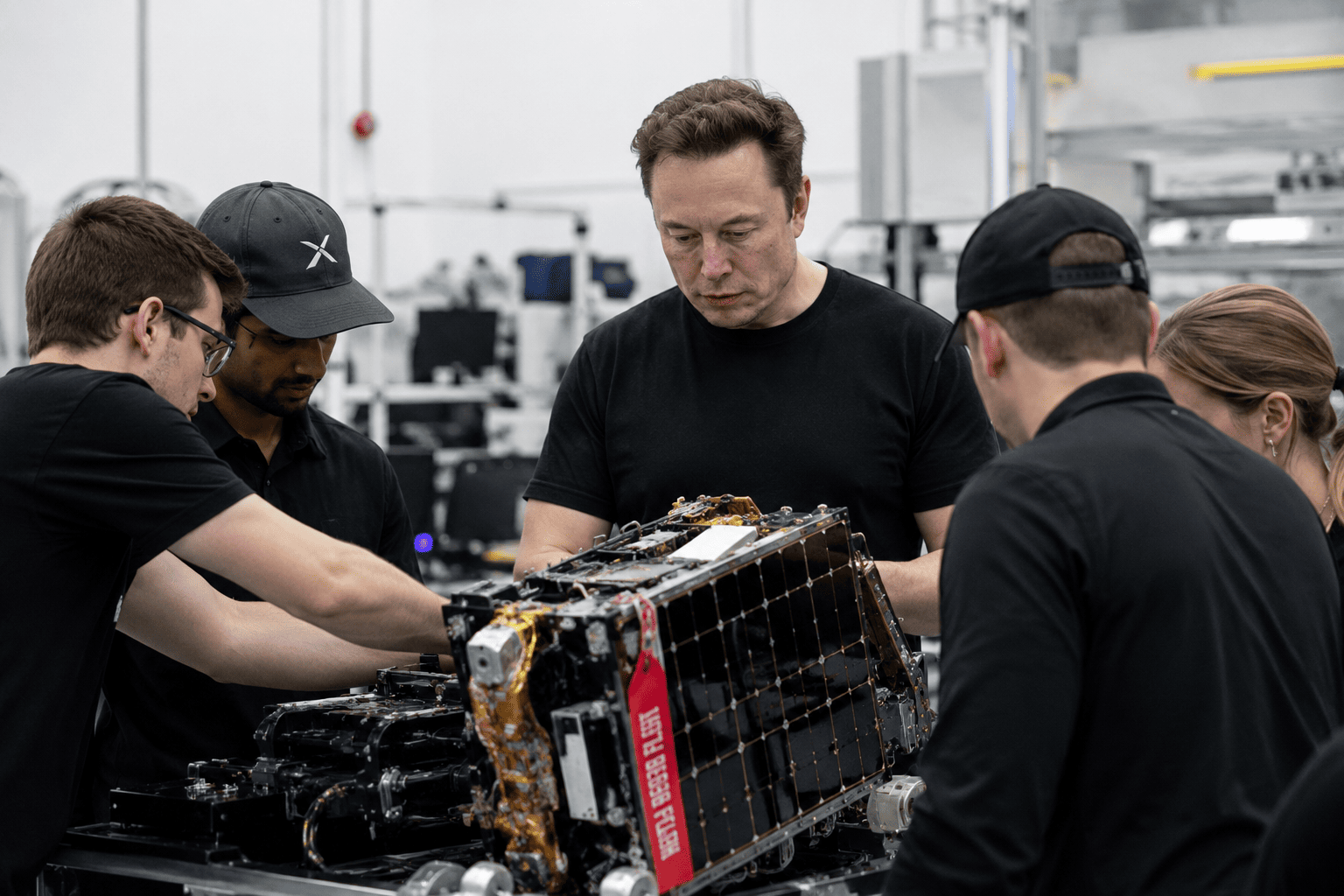
SpaceX (SPCX) shares fell over 2% on Friday, continuing a volatile stretch that has erased the stock's post-IPO gains. The stock traded around $148, below its $150 listing price, after reaching a record closing high of $201.80 on June 16 following its market debut. Investors are grappling with whether Elon Musk's AI and space ambitions justify one of the world's richest valuations.
Valuation Debate Intensifies
The sharp swings come as Wall Street publishes its first wave of research after SpaceX's record-setting IPO, with analysts offering diverging views on the company's long-term potential. Veteran investor Jeremy Grantham has been among the most vocal critics, describing the IPO as a potential landmark market bubble in a recent interview with Morningstar. Grantham argued that much of SpaceX's valuation rests on aggressive assumptions about artificial intelligence, despite what he described as the company's relatively weak competitive position in AI software. He also questioned projections around orbital AI infrastructure and broader space-related opportunities outlined in the IPO prospectus, stating they require technological advances that remain highly speculative. Grantham acknowledged the stock could continue rising in the near term due to strong investor demand and index-related buying, but maintained that the valuation would ultimately need to be supported by fundamentals.
Musk Remains Bullish
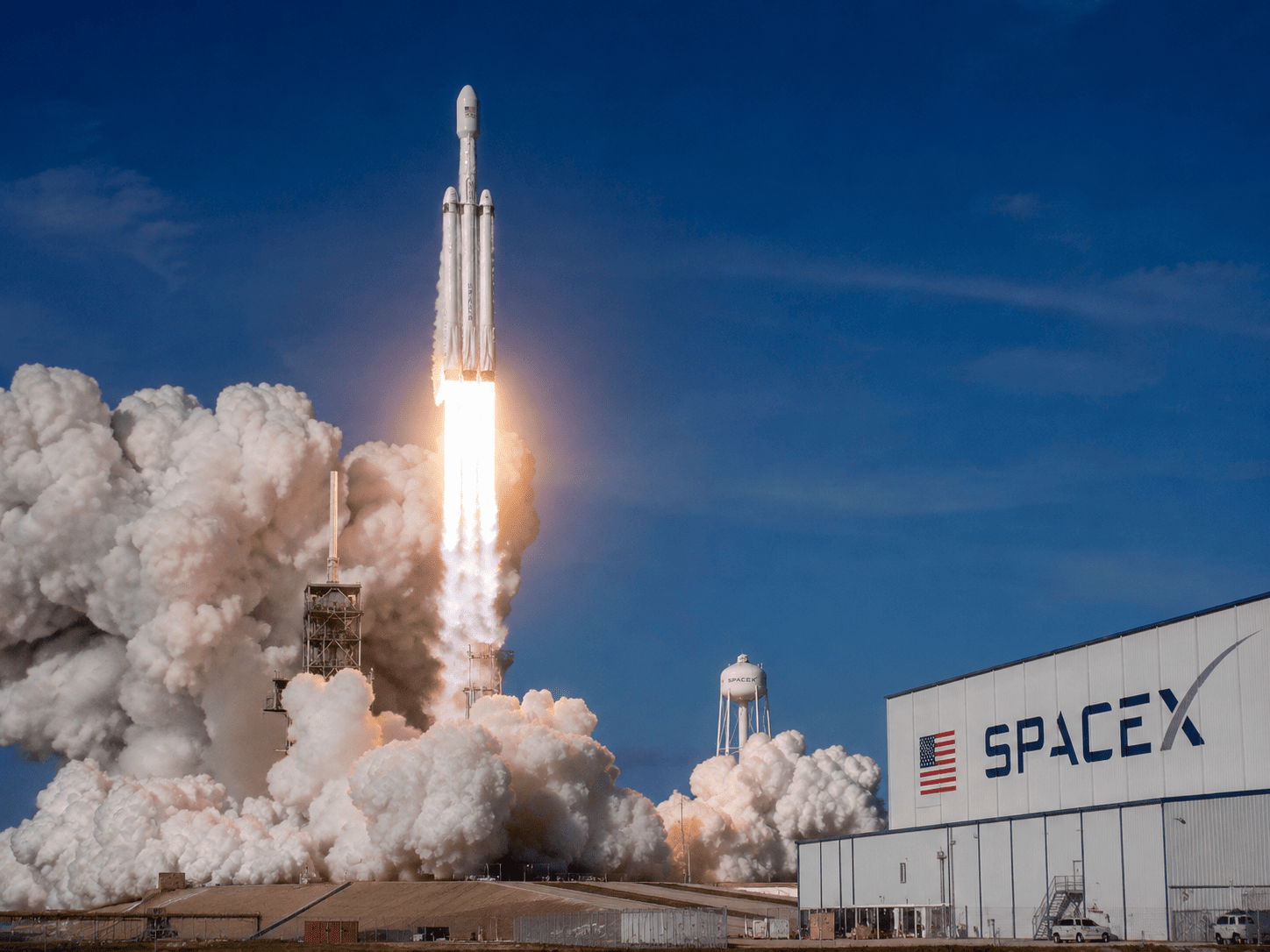
Musk, however, has continued to raise expectations. Responding to comments on X this week, the SpaceX chief executive said the company could eventually become "worth more than the rest of Earth" if it achieves its long-term goals. The remarks add to a series of ambitious projections from Musk, who has previously argued Tesla could become more valuable than Apple and Saudi Aramco combined. Several Wall Street firms have also outlined aggressive long-term scenarios for SpaceX, driven largely by expectations for Starlink, reusable launch systems, and future AI infrastructure businesses. Raymond James currently has one of the Street's highest published price targets at $800 per share, while Citi's bull-case scenario values the company at roughly $12 trillion. For more on analyst views, see Raymond James Analyst Sees SpaceX Stock Hitting $800, Citing Starship and AI.
China Narrows the Gap in Reusable Rockets
SpaceX also faces growing competition overseas. China on Friday successfully landed the booster stage of its reusable Long March-10B rocket, marking the country's first successful recovery of an orbital-class reusable booster. This milestone places China's Aerospace Science and Technology Corp. alongside SpaceX and Blue Origin among the small group of organizations to demonstrate reusable rocket landing capability. While SpaceX remains the clear global leader in reusable launch technology, China's latest achievement highlights the increasing pace of competition in the commercial space industry as governments and private companies race to lower launch costs and expand access to orbit.
Early Volatility Likely to Continue
SpaceX's pullback follows an explosive start to life as a public company, with the stock surging more than 30% in its first few trading sessions before reversing sharply. The combination of lofty valuation expectations, ambitious long-term projections, and limited public trading history has left the shares particularly sensitive to shifts in investor sentiment. With Wall Street still establishing coverage and investors trying to assess the company's AI, satellite, and launch businesses under one public valuation, analysts expect trading to remain volatile in the months ahead. For context on recent market moves, see SpaceX Drops 6% as Analysts Eye $190 Target, AI Unit Valued at $1.8T and SpaceX Stock Returns to $150 IPO Price: Wall Street Bullish but Caution Persists.
This article is for informational purposes only and does not constitute financial advice.