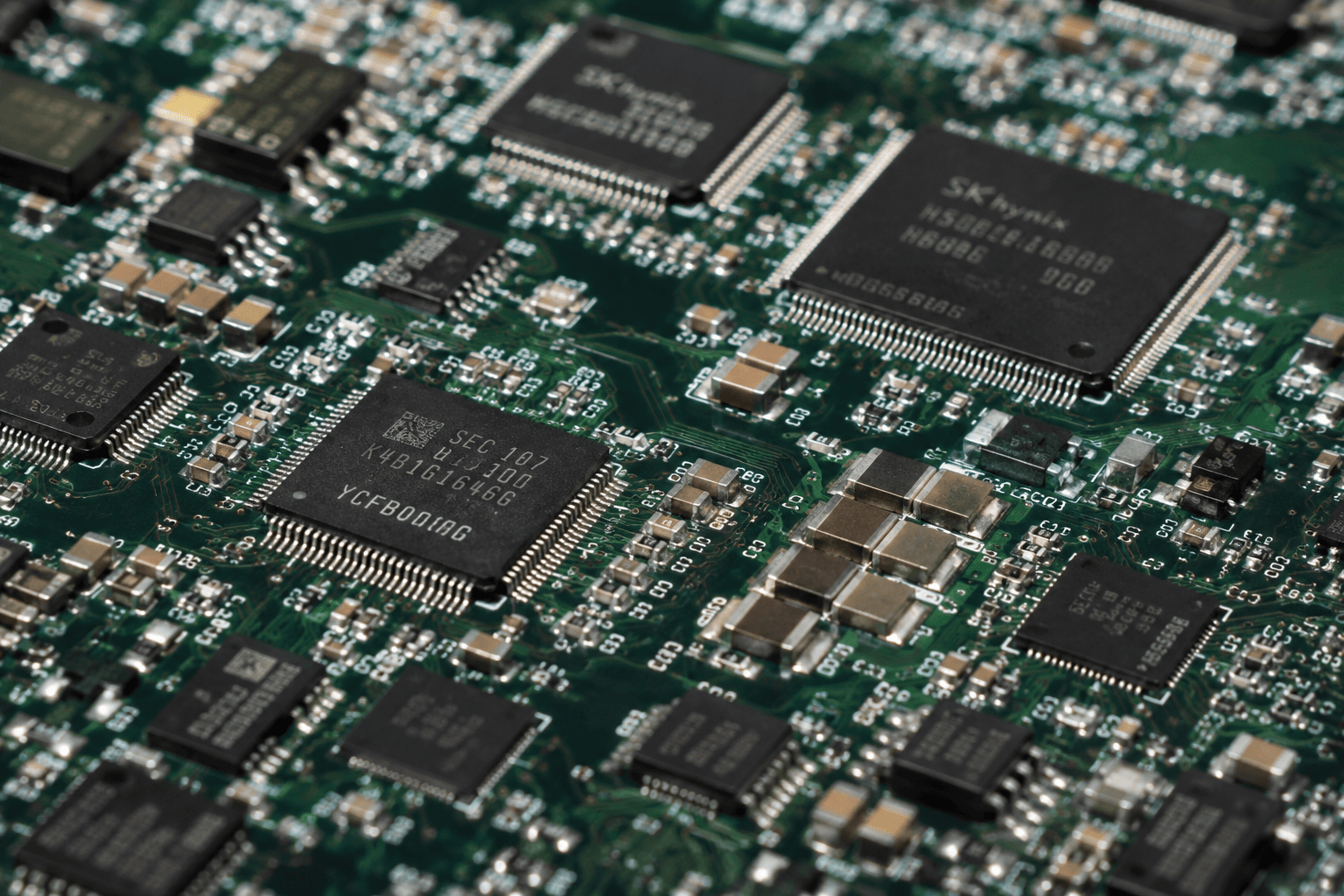
Semiconductor stocks opened the week in positive territory, with Micron (MU) rising over 4.1% and AMD (AMD) surging more than 9.4%, while Nvidia (NVDA) and Marvell Technology (MRVL) posted modest gains. However, Morgan Stanley strategists caution that the recent pullback in chip stocks reflects a broader market rotation that could shift investor focus away from semiconductor names.
Morgan Stanley Sees Rotation Underway
In a note released Monday, Morgan Stanley said the recent weakness in U.S. semiconductor shares suggests market leadership is broadening. The brokerage believes hyperscalers—large technology companies investing heavily in AI infrastructure—are well positioned to outperform as the market rotates away from chipmakers. Key beneficiaries include Microsoft (MSFT), Amazon (AMZN), and Meta Platforms (META), all of which have committed billions to expanding AI data centers.

“We also believe this cohort possesses attractive optionality within the AI ecosystem: strong core businesses, the ability to participate in/lead the agentic application layer development and implementation, as well as an underappreciated cost-cutting lever,” the strategists wrote.
Chip Rally Loses Momentum
The brokerage’s comments come after semiconductor stocks significantly outperformed the broader tech sector in recent months. While Alphabet, Amazon, Meta, and other hyperscalers faced heavy selling in June, the Philadelphia Semiconductor Index climbed 11% during the month. However, sentiment has shifted. The index has now fallen nearly 14% from its record high last month as investors grow concerned about stretched valuations. Even after the pullback, the index remains about 123% higher since September, underscoring the scale of the AI-driven rally.
Over the same period, a UBS basket tracking hyperscaler stocks has declined 2%. Morgan Stanley views this changing performance as a natural rotation within the AI investment theme rather than a collapse in enthusiasm for artificial intelligence.
Broader Market Rotation Expected
The brokerage expects the rotation to extend beyond technology. Strategist Michael Wilson said easing expectations for additional Federal Reserve interest-rate hikes, combined with declining crude oil prices, should support consumer discretionary companies, transport stocks, and biotechnology firms. However, he warned that the semiconductor pullback could create greater volatility across equities, as many large chip companies have become key drivers of broader market performance.
While describing the recent weakness as part of alternating leadership among AI-related sectors over the past two years, Wilson cautioned that investors should expect a “choppy/weaker equity market overall.” He maintained a year-end target of 8,000 for the S&P 500, implying roughly 7% upside from current levels.
Wall Street Echoes Similar Views
Morgan Stanley’s outlook aligns with other Wall Street strategists. JPMorgan’s Mislav Matejka has argued that the second half of the year is likely to see market leadership broaden beyond technology. “AI is unlikely to be the only story in town,” Matejka wrote in a recent note.
For investors tracking the rotation, recent developments in memory stocks and broader tech have been notable. For instance, SanDisk plunged 14% as AI hardware rotation hit memory stocks, and memory stocks from Samsung to SK Hynix dropped up to 33% on profit-taking and legal woes. Meanwhile, the Dow added 83 points as chip stocks rebounded, with Fed minutes and Q2 earnings in focus.
This article is for informational purposes only and does not constitute financial advice.

