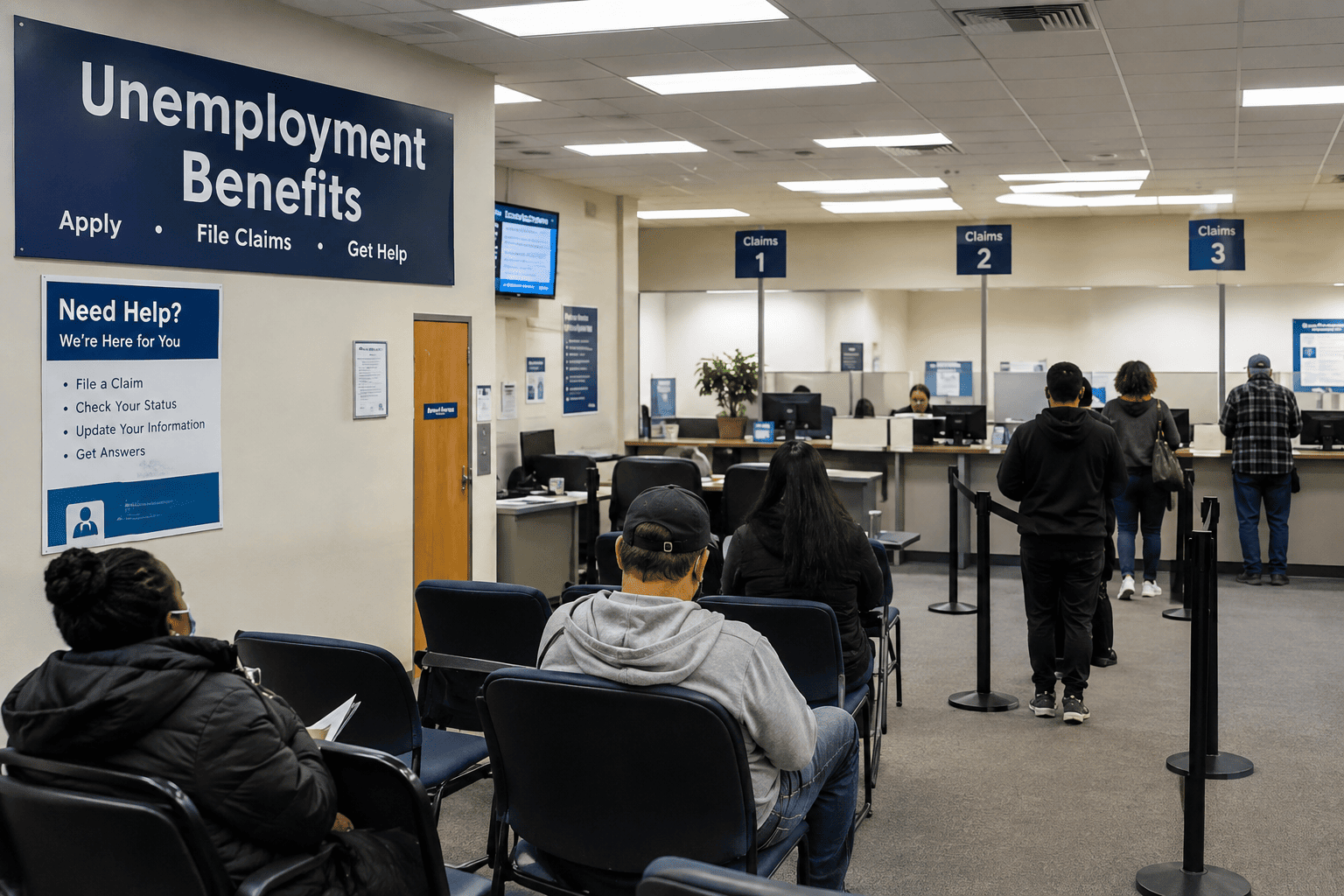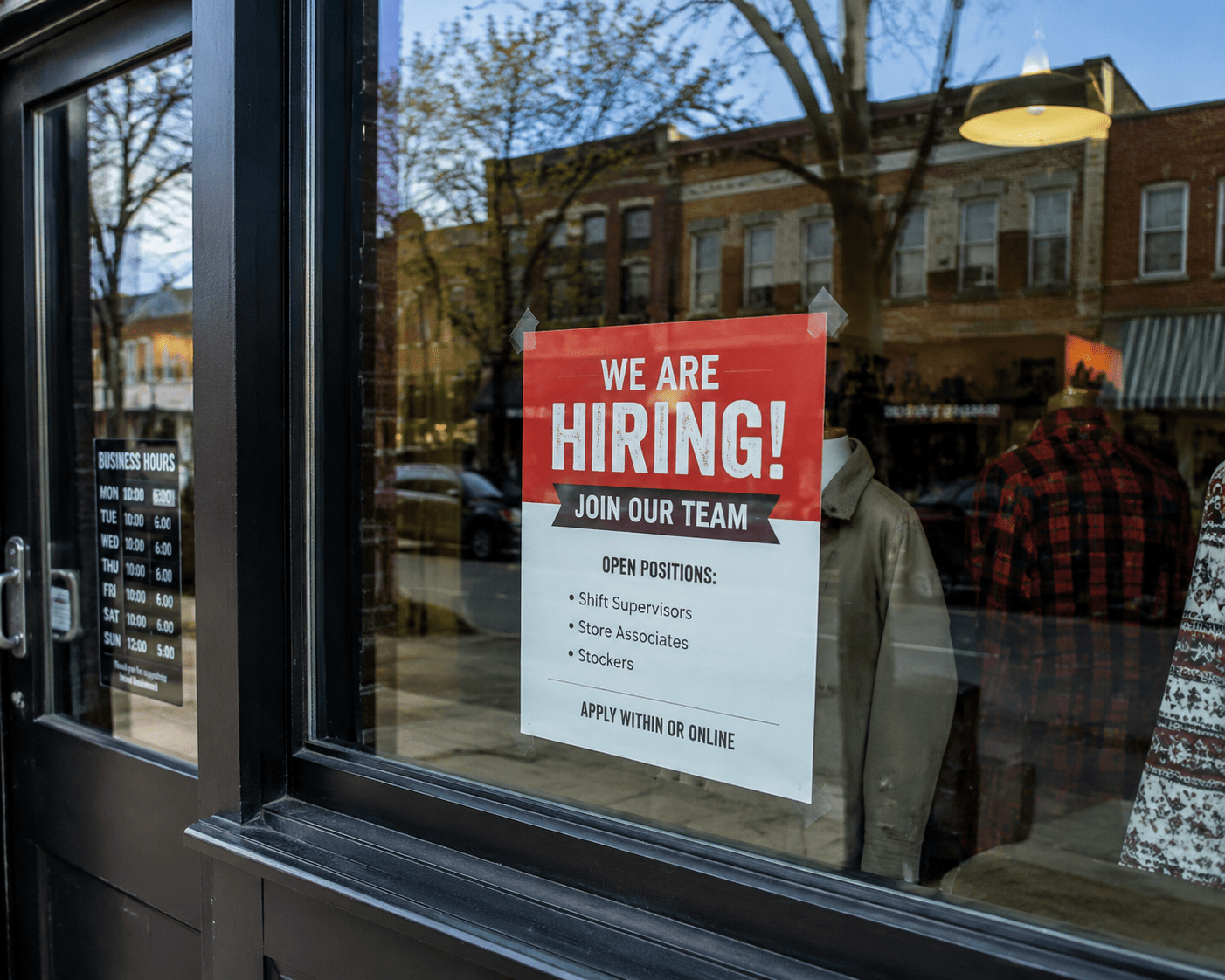
The pace of private-sector hiring in the United States slowed more than anticipated in June, according to the latest ADP National Employment Report. Private employers added 98,000 jobs on a seasonally adjusted basis, falling short of economists' consensus estimate of 110,000 and down from an unrevised 122,000 in May.
The data, released ahead of the Bureau of Labor Statistics' official nonfarm payrolls report, suggests a cooling labor market. The government report is expected to show overall employment growth of approximately 115,000 jobs, with the unemployment rate holding at 4.3%.

Healthcare Continues to Dominate Hiring
Nearly half of all new positions in June came from the education and health services sector, which added 48,000 jobs. The services sector as a whole contributed virtually all of the month's gains, accounting for 96,000 of the total 98,000 new positions.
Other industries with notable increases included trade, transportation, and utilities (+15,000), financial activities (+14,000), and other services (+8,000). Leisure and hospitality added only 2,000 jobs, extending a subdued trend for an industry often seen as a barometer of consumer spending. Natural resources and mining was the sole sector to post a decline, shedding 5,000 positions.
“The pace of hiring is telling a story of both supply and demand. We know it's taking people longer to find work, but there also are signs of labor supply constraints in certain industries,” said Nela Richardson, ADP's chief economist. “For now, the overall effect is a slowdown in job creation.”
Small Businesses Lead Employment Gains
Hiring was strongest among smaller employers. Businesses with fewer than 50 employees added 53,000 jobs in June, while medium-sized companies contributed 29,000 positions. Large employers with more than 500 workers added 25,000 jobs.
Wage growth remained relatively stable despite the slower hiring pace. Annual pay increases for job-stayers held steady at 4.4%, while job-switchers saw annual wage gains edge up to 6.6%.
ADP's employment report has diverged from the official government payroll figures in recent months, generally reporting weaker hiring than the Labor Department's monthly data. Investors will watch Friday's jobs report for confirmation of the trend.
Layoffs Ease, but Hiring Plans Remain Subdued
Separate data from Challenger, Gray & Christmas showed that US-based employers announced plans to cut 45,849 jobs in June, down 53% from the previous month. For the first half of 2026, announced job cuts totaled 443,604, a 40% decline compared with the same period last year.
“The pace of layoffs cooled considerably in June, similar to plans last June, and as is typical for summer months,” said Andy Challenger, chief revenue officer at Challenger, Gray & Christmas. “That said, the cuts we are seeing remain concentrated in technology, and artificial intelligence continues to reshape how companies think about headcount.”
Despite fewer layoffs, hiring intentions weakened. Companies announced plans to hire 10,933 workers in June, down 44% from May. Total announced hiring for the first half of the year stood at 91,405, about 10% higher than the corresponding period in 2025, though still well below post-pandemic levels.
The softer hiring outlook comes as workers report growing difficulty finding employment. A Conference Board survey released Tuesday showed the share of consumers who believe jobs are “hard to get” rose in June to its highest level in nearly five and a half years, suggesting the labor market continues to lose momentum heading into the second half of the year.
For context on how the jobs data may influence precious metals, see Silver Bulls Reclaim $60, but Friday's Jobs Report Will Determine Next Move and Gold Breaks $4,000 on Soft Data, But Traders Hold Back Ahead of Jobs Report. Meanwhile, the impact of AI on employment is also evident in the tech sector, as highlighted in Microsoft Stock Jumps 4% on Haleon AI Deal, Job Cut Reports.
This article is for informational purposes only and does not constitute financial advice.