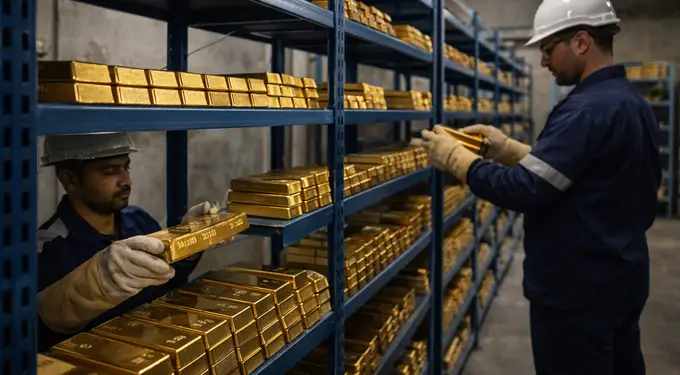
Gold has reclaimed the $4,000 threshold, buoyed by weaker-than-expected US economic data that pushed the dollar lower. However, market participants remain hesitant to extend bullish bets, awaiting the official nonfarm payrolls (NFP) report for confirmation of a sustained softening in the labor market.
Soft Data Provides Temporary Relief
Spot gold rose 0.7% to $4,057.92 per ounce during Asian trading on Thursday, extending a recovery from volatile sessions earlier in the week. US gold futures slipped 0.3% to $4,070.10, reflecting an uneven rebound. The immediate catalyst was the ADP employment report, which showed US private employers added just 98,000 jobs in June, below the expected 122,000 and down from May's revised figure. Additionally, the ISM manufacturing index eased to 53.3 from 54, while the prices-paid component dropped sharply, signaling easing input cost pressures.

For gold investors, this combination is significant. Softer hiring and lower input-price inflation reduce the urgency for aggressive Federal Reserve tightening, while a weaker dollar makes bullion more affordable for international buyers. The US dollar rally has stalled as rate-hike bets lose steam, providing further support to gold.
Fed's Hawkish Stance Caps Gains
Despite the encouraging data, the Federal Reserve has not signaled a pivot. Rate markets still price in a meaningful chance of a rate hike in September and an even higher probability of a move by year-end. This keeps a ceiling on non-yielding assets like gold. Fed Chair Kevin Warsh, speaking at the ECB's Sintra forum, reiterated that while inflation risks have eased, the central bank remains committed to its 2% target and will not ease policy simply because markets or the White House desire relief. Analysts caution that gold's bounce remains fragile until the NFP report confirms a softer trend.
Geopolitical Tensions Add Support, But Not Enough
The geopolitical backdrop remains supportive for haven demand, though it has not been sufficient to override the rate narrative. US-Iran talks in Doha ended without a final settlement, keeping the Strait of Hormuz as a key pressure point that could feed into oil prices and inflation. Meanwhile, Russia's overnight missile and drone attack on Kyiv added another layer of safe-haven buying. However, gold needs a stronger catalyst to extend gains. On the technical side, resistance sits near $4,112, followed by the 100-period moving average around $4,145. Support is near $4,047, with a deeper floor around $3,943. Unless the NFP report weakens the dollar further, rallies may remain vulnerable to selling.
In the broader market context, US stock funds saw $17.2 billion in weekly outflows, the largest since March, suggesting investors are cautious about the sustainability of the equity rally. This cautious sentiment aligns with gold traders' reluctance to chase prices higher without clearer confirmation of a dovish Fed pivot.
This article is for informational purposes only and does not constitute financial advice.