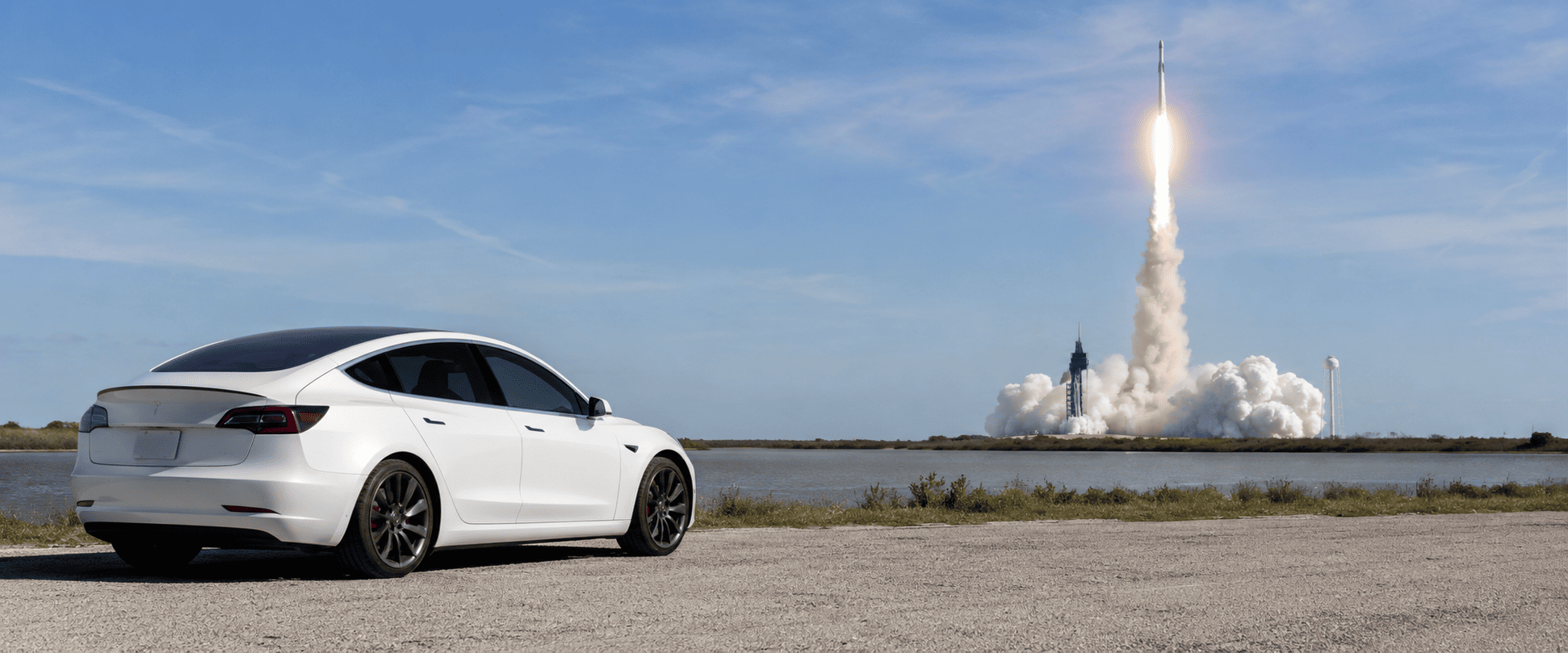
Investor Anthony Pompliano recently called on Elon Musk to merge SpaceX with Tesla, sparking debate among market participants. While the idea of a combined aerospace and EV giant might seem like a futuristic bull case, a closer look reveals significant risks for Tesla shareholders. As of Monday, Tesla stock is down over 6% year-to-date in 2026, and a merger could add further pressure.
Financial Risks: Tesla's Cash Flow Could Fund SpaceX's Ambitions
Tesla has worked hard to become a profitable automaker and energy storage company, generating consistent free cash flow. SpaceX, on the other hand, operates in a capital-intensive realm, requiring massive ongoing investment for projects like Starship rockets and the Starlink satellite constellation. Merging the two would likely mean Tesla's stable margins become a piggy bank for SpaceX's long-term, yet-to-be-monetized deep-space ventures. For fundamental investors, using a successful car and battery business to finance Mars colonization may not be a compelling trade-off.
Dilution Concerns for TSLA Holders
If SpaceX absorbs Tesla, TSLA shareholders would receive newly issued SpaceX shares in exchange. While Tesla isn't printing new stock, investors would be swapping a company with established commercial cash flows for a tech-heavy conglomerate that posted a $4.28 billion net loss in Q1, largely due to hardware R&D. Wall Street could also apply a conglomerate discount, further eroding the value of the new shares. For context, SpaceX stock has already dropped 40% from its peak, adding to the uncertainty.
Governance Erosion and Voting Power
Tesla is a publicly traded company with institutional investors who can influence the board. SpaceX, however, has a dual-class share structure where Elon Musk controls an estimated 85% of voting power. A merger could neutralize Tesla investors' governance rights, potentially triggering a sell-off from large asset managers like Vanguard or BlackRock, which have strict ESG and corporate governance mandates. A sudden shift to a structure with minimal checks and balances could spark a mass exodus from TSLA stock.
Geopolitical and Regulatory Hurdles
Tesla and SpaceX operate in vastly different regulatory environments. Combining them would create a compliance nightmare, inviting scrutiny from the Committee on Foreign Investment in the United States (CFIUS) and defense officials. If regulators fear that Tesla's heavy footprint in China could compromise sensitive aerospace technology, they might impose operational firewalls that hamper both businesses. This adds another layer of risk for TSLA investors.
While the merger narrative may generate headlines, the structural, financial, and governance challenges suggest it may not be the bullish catalyst some hope for. As SpaceX short interest surges to 29% of float, market sentiment remains cautious. For now, Tesla shareholders should weigh these risks carefully.
This article is for informational purposes only and does not constitute financial advice.